Harmony Without Samenessกลมกลืนกันได้โดยไม่ต้องเหมือนกัน
Written by NATTHA / Natthapon Khemmueang
There is a difference between making two things look alike and allowing them to belong together.
I keep returning to that distinction when looking at BANG CHAK.
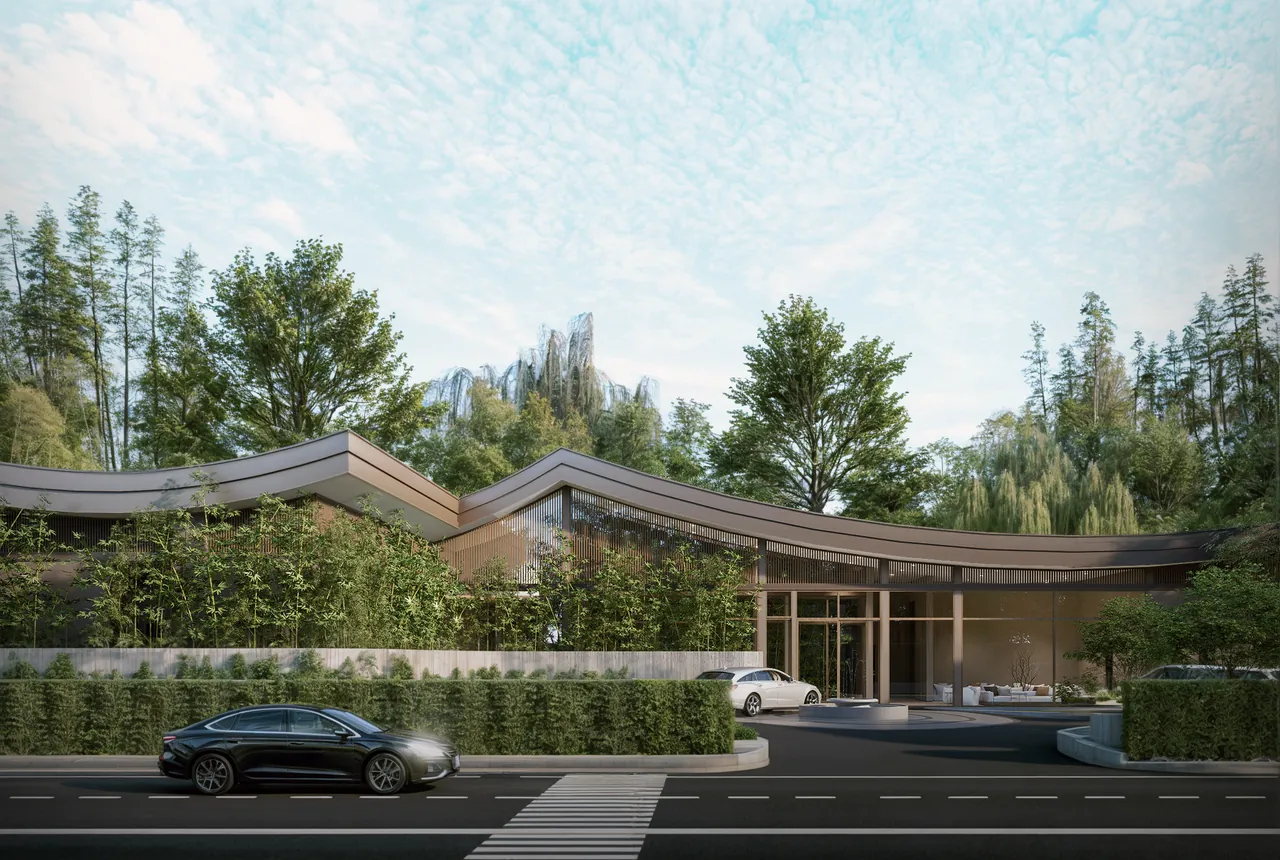
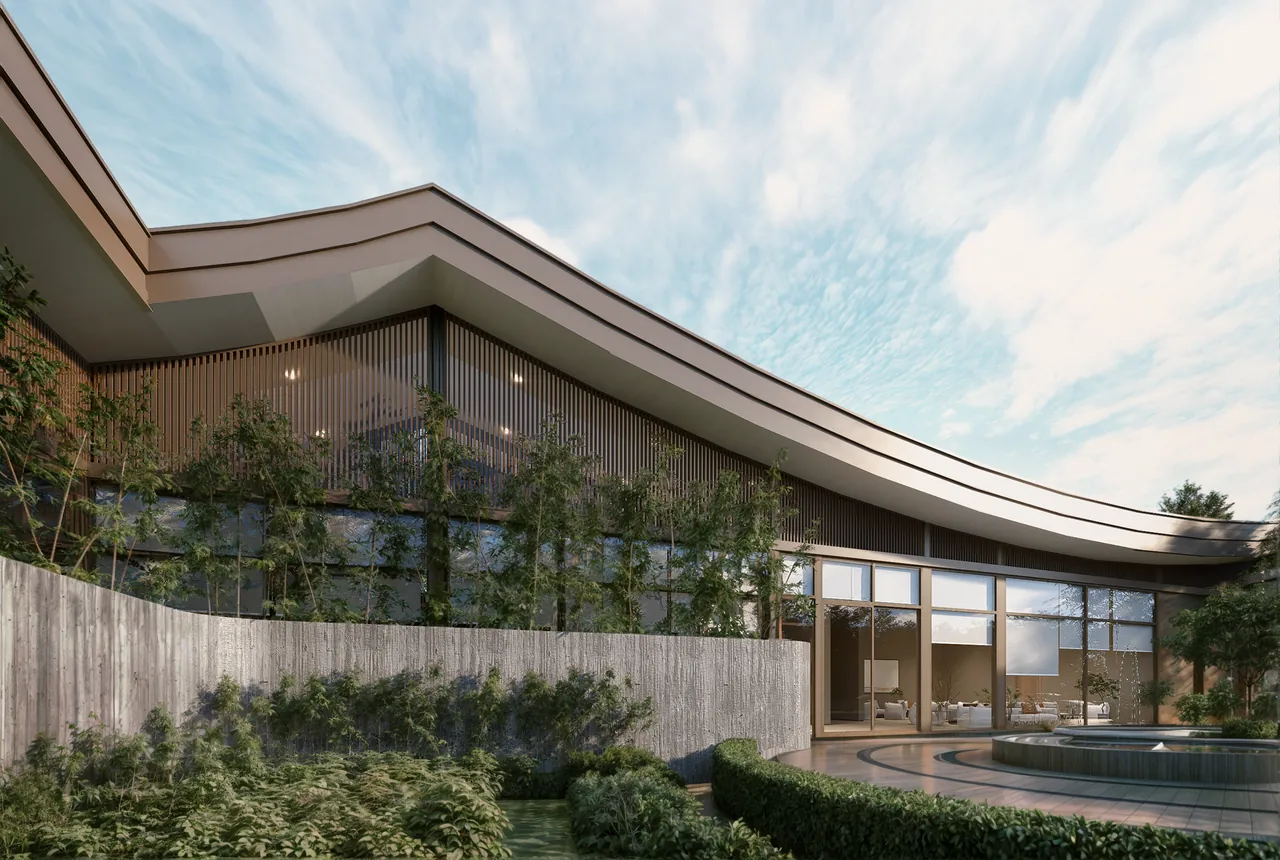
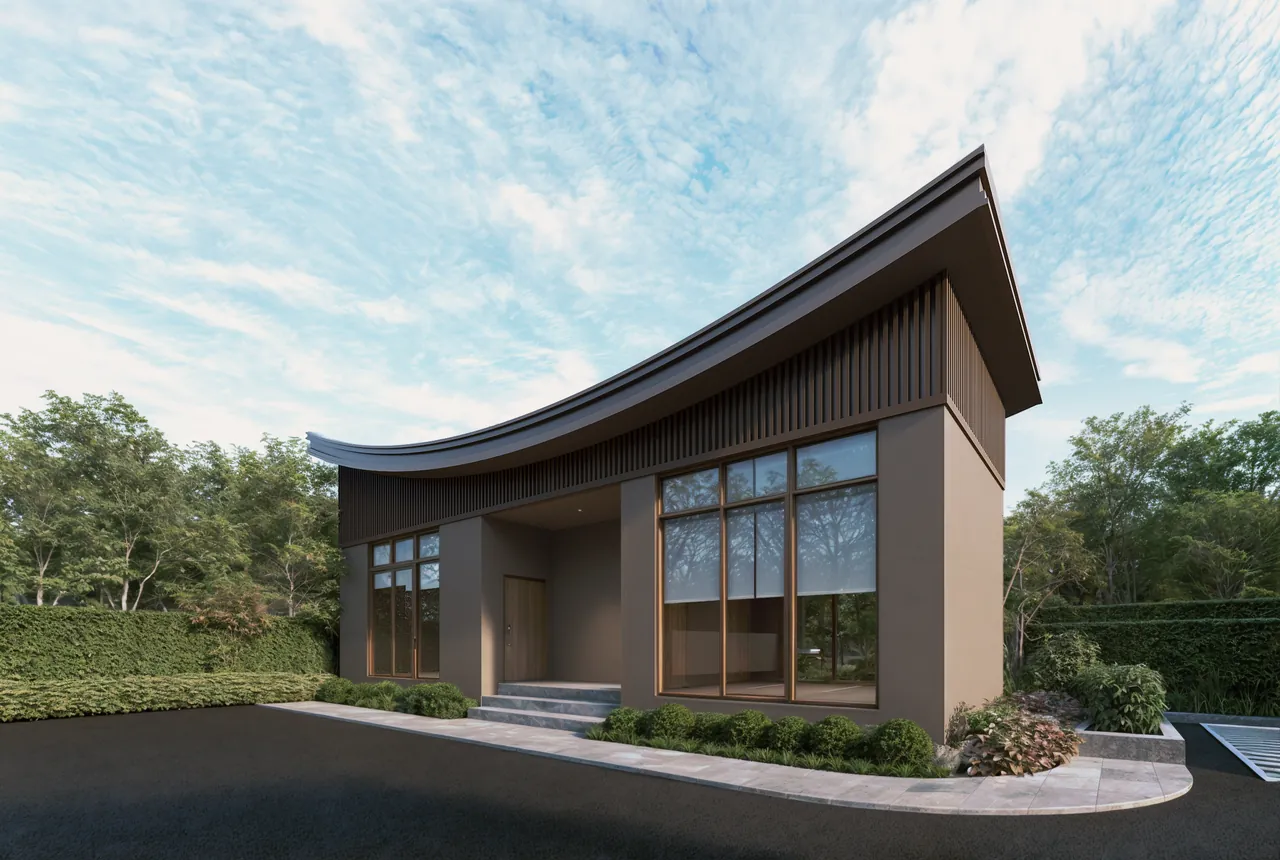
The project carries references that can be associated with traditional Chinese architecture. The rising roof line is probably the most immediate one. But the building is not historical and I never felt that contemporary materials needed to disguise themselves in order to make the reference believable.
The roof can remember one period while its construction belongs to another.
That difference is useful.
มีความแตกต่างระหว่างการทำให้สองสิ่งดูเหมือนกัน กับการทำให้สองสิ่งสามารถอยู่ร่วมกันได้
ผมกลับมาคิดถึงความแตกต่างนี้บ่อยครั้งเวลามอง BANG CHAK
โครงการมีองค์ประกอบบางอย่างที่เชื่อมโยงไปถึงความทรงจำของสถาปัตยกรรมจีน โดยเฉพาะเส้นหลังคาที่ค่อย ๆ ยกตัวขึ้น แต่ตัวอาคารไม่ได้อยู่ในอดีต และผมไม่คิดว่าวัสดุร่วมสมัยจำเป็นต้องปลอมตัวให้กลายเป็นวัสดุเก่า เพื่อทำให้ความเชื่อมโยงนั้นน่าเชื่อถือขึ้น
หลังคาสามารถจดจำช่วงเวลาหนึ่ง ขณะที่วิธีสร้างยังเป็นของอีกช่วงเวลาหนึ่งได้
และความแตกต่างตรงนั้นมีประโยชน์
The Analects contains the phrase 和而不同, commonly understood as being harmonious without becoming identical.
I would be careful about saying that BANG CHAK was designed from this philosophical statement. That would turn an interpretation made today into a false account of the original design process.
But it is a useful way to read the project now.
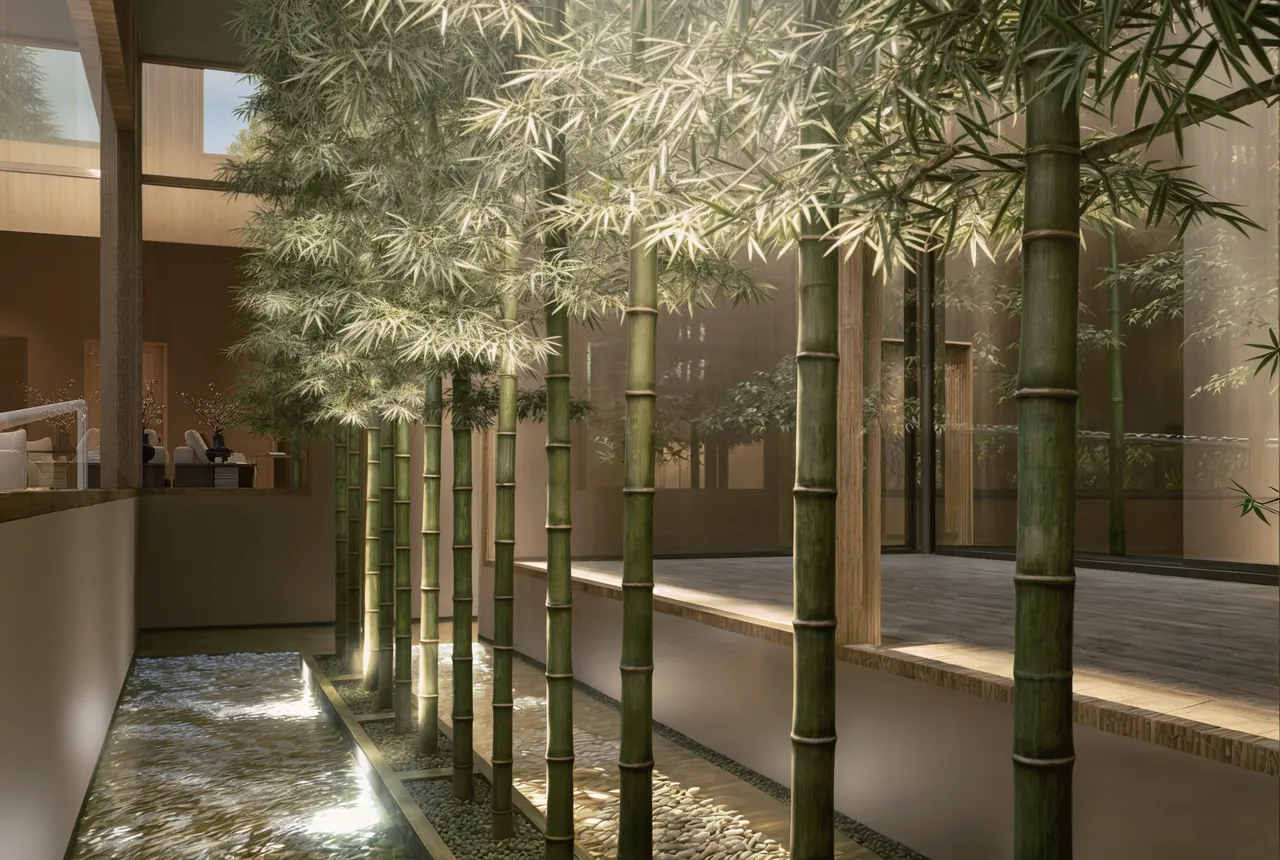
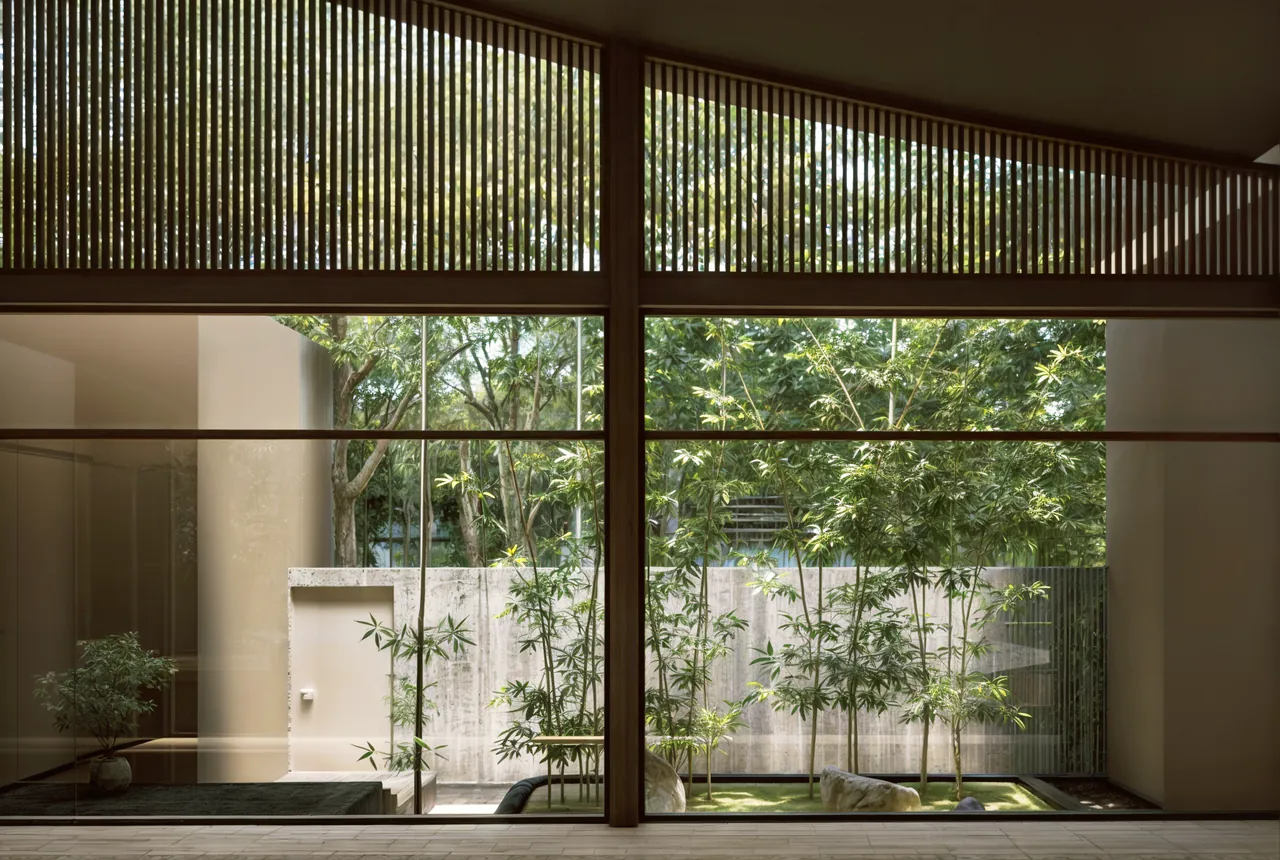
The curved profile, metal construction, timber tones, water and contemporary glazing do not have to be transformed into one historical vocabulary.
Their differences can remain visible.
What matters is whether the relationships between them feel coherent.
ใน Analects มีแนวคิด 和而不同 ซึ่งมักถูกอธิบายถึงการอยู่ร่วมกันอย่างกลมกลืนโดยไม่จำเป็นต้องกลายเป็นสิ่งเดียวกัน
ผมคงไม่บอกว่า BANG CHAK ถูกออกแบบขึ้นจากประโยคนี้ เพราะนั่นจะเป็นการนำการตีความในวันนี้กลับไปสร้างประวัติศาสตร์ให้กระบวนการออกแบบที่ไม่ได้เกิดขึ้นจริง
แต่ผมคิดว่ามันเป็นกรอบที่น่าสนใจในการกลับมาอ่านงานชิ้นนี้
เส้นหลังคาโค้ง ระบบหลังคา Metal Sheet โทนไม้ น้ำ และกระจกขนาดใหญ่ ไม่จำเป็นต้องถูกทำให้พูดภาษาประวัติศาสตร์ภาษาเดียวกันทั้งหมด
ความแตกต่างยังสามารถปรากฏอยู่ได้
สิ่งสำคัญกว่าคือ ความสัมพันธ์ระหว่างสิ่งเหล่านั้นกลมกลืนกันหรือไม่
Perhaps this is one difference between imitation and interpretation.
Imitation often begins by asking how much of an appearance can be retained.
Interpretation asks a harder question.
What is essential enough to carry forward, and what should be allowed to change?
BANG CHAK makes me interested in the second question.
บางทีนี่อาจเป็นหนึ่งในความแตกต่างระหว่างการเลียนแบบกับการตีความ
การเลียนแบบมักเริ่มจากคำถามว่า เราจะรักษารูปลักษณ์ของต้นฉบับเอาไว้ได้มากเพียงใด
แต่การตีความเริ่มจากคำถามที่ยากกว่า
อะไรคือสิ่งที่สำคัญมากพอที่จะพาต่อไป และอะไรควรได้รับอนุญาตให้เปลี่ยนแปลง
สำหรับผม BANG CHAK ทำให้คำถามหลังน่าสนใจกว่าคำถามแรก
PROJECT CREDIT
Design Direction NATTHA / Natthapon Khemmueang
Design Development & Project Delivery Piaoform Studio
Visualisation Piaoform Studio