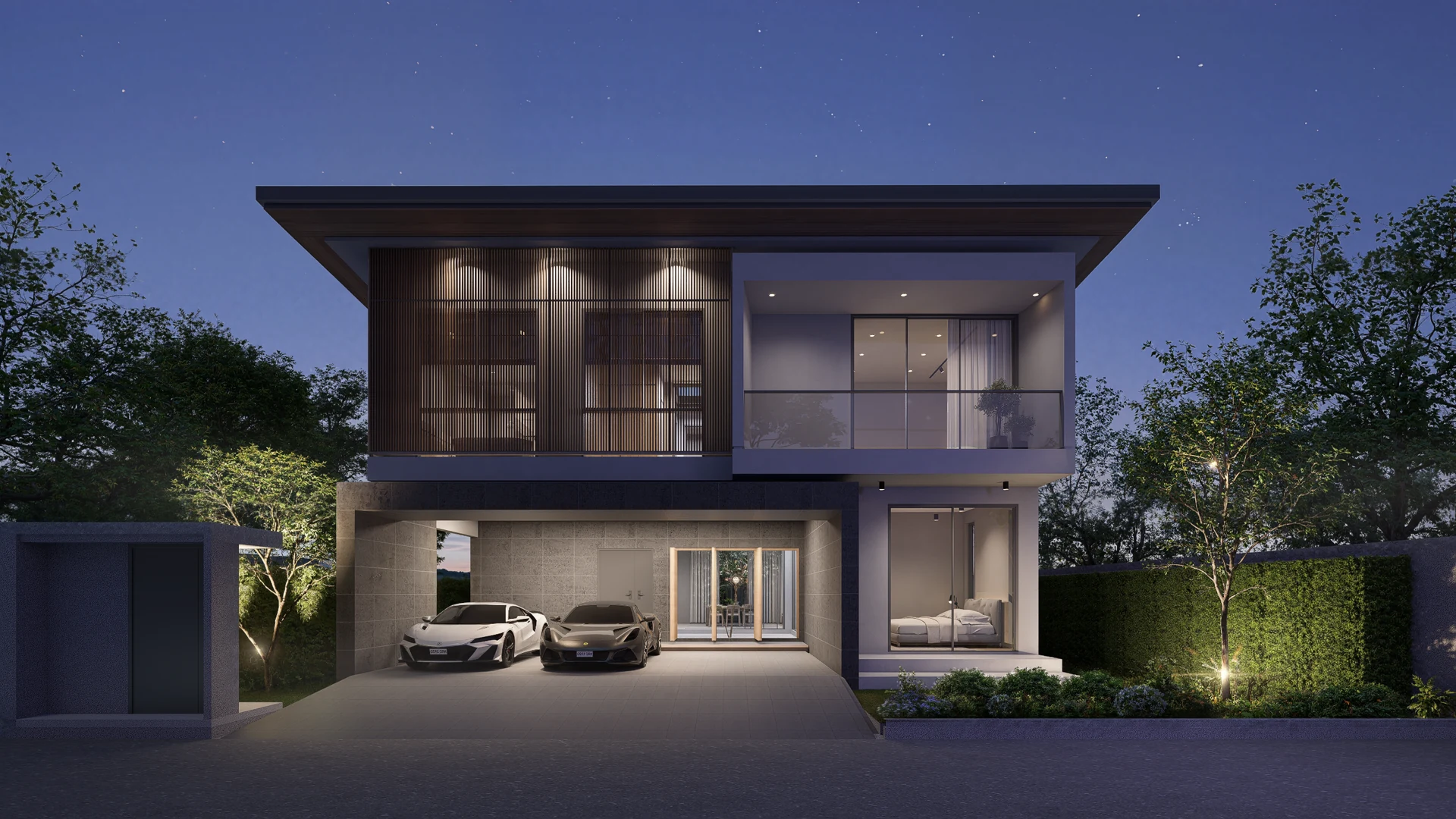
The Chair Has Been Movedถ้าวันหนึ่งเก้าอี้ถูกขยับ
Written by NATTHA / Natthapon Khemmueang
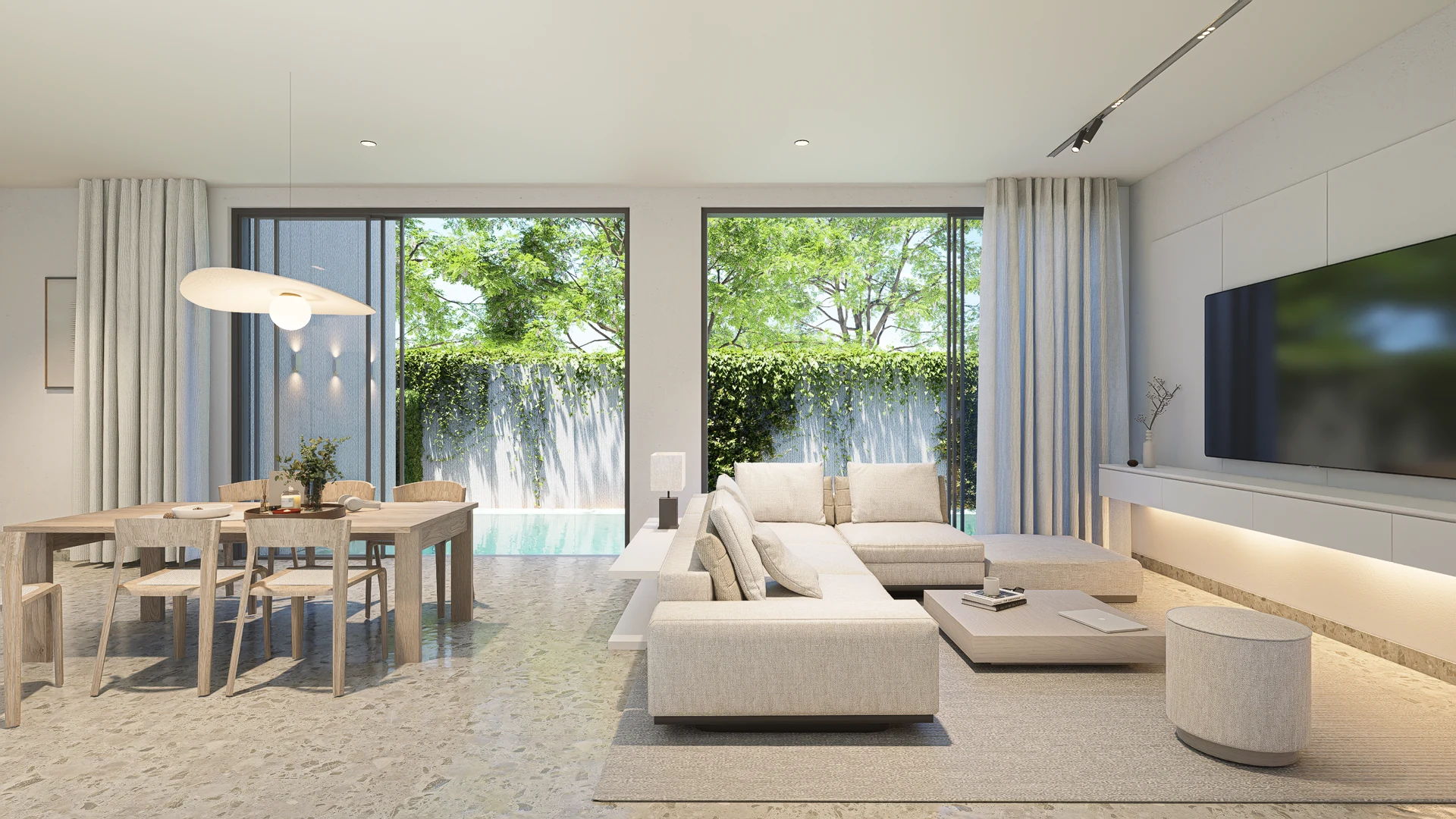
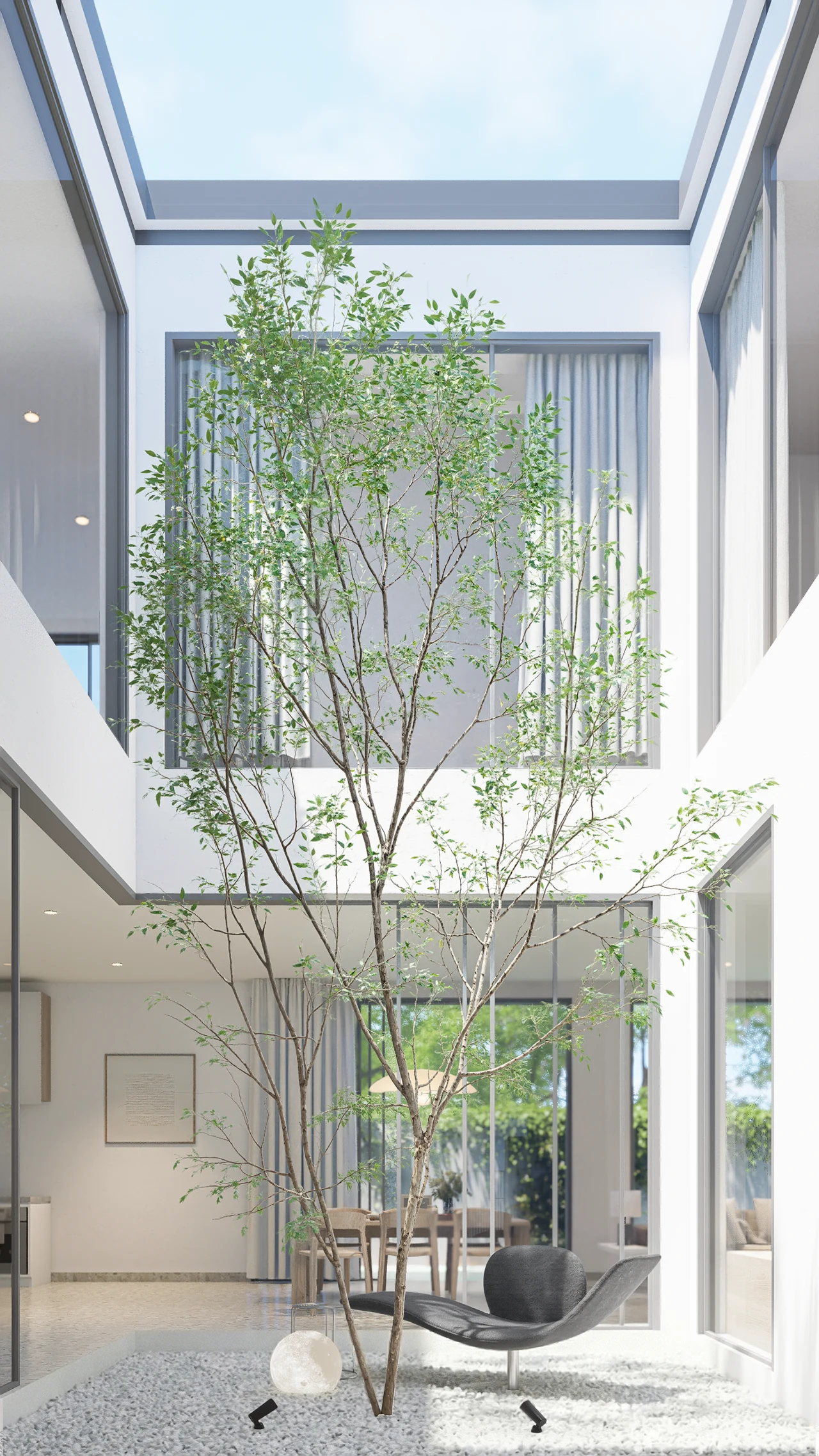
The chair was never meant to stay exactly where a rendering left it. That should be an obvious statement, yet professionally we can behave as though an interior were successful only while every object remains in the approved position. PRAWET's drawings establish a considered relationship between shared rooms, a courtyard, a pool and quieter areas for rest. Furniture helps explain those spaces. Once somebody occupies a house, however, furniture acquires a second author. The person who reaches for a book, moves a seat or needs a different route begins making decisions that are too small for a master plan and too important to be ignored.
เก้าอี้ไม่จำเป็นต้องอยู่ตรงตำแหน่งที่ภาพ Render วางไว้ตลอดไป เรื่องนี้ควรเป็นความจริงง่าย ๆ แต่ในวิชาชีพเราเผลอทำราวกับว่าห้องจะประสบความสำเร็จได้ก็ต่อเมื่อของทุกชิ้นยังอยู่ตรงจุดที่อนุมัติ แบบของ PRAWET จัดความสัมพันธ์ของห้องส่วนกลาง คอร์ต สระ และพื้นที่พักเงียบ ๆ ไว้อย่างตั้งใจ เฟอร์นิเจอร์ช่วยอธิบายพื้นที่เหล่านั้น แต่เมื่อมีคนใช้บ้านจริง เฟอร์นิเจอร์ก็เริ่มมีผู้เขียนเรื่องอีกคน คนที่หยิบหนังสือ ขยับเก้าอี้ หรืออยากได้ทางเดินอีกแบบ กำลังตัดสินใจเรื่องที่เล็กเกินกว่าจะอยู่ใน Master Plan และสำคัญเกินกว่าจะไม่สนใจ
An image of an interior has to make a decision about almost everything it shows. Where the chair stands, which book lies on the table and what direction the sofa faces are settled for the moment of the rendering. That moment can be useful in evaluating proportion and intended circulation. It can also disguise an ordinary truth about domestic space. The most frequently repeated decisions about furniture will eventually be made by the people using it, not by the person arranging the image. A household may discover that the balanced composition is less convenient than a slightly imperfect one. This is a possibility that belongs to almost every home. It is not evidence of a change already made at PRAWET.
ภาพ Interior จำเป็นต้องตัดสินใจแทบทุกสิ่งที่แสดง เก้าอี้วางตรงไหน หนังสืออยู่บนโต๊ะอย่างไร โซฟาหันไปทางไหน ทุกอย่างถูกจัดให้จบในวินาทีของ Render วินาทีนั้นมีประโยชน์ในการดูสัดส่วนและทางเดินที่ตั้งใจ แต่ก็อาจซ่อนความจริงธรรมดาอย่างหนึ่ง การตัดสินใจเกี่ยวกับเฟอร์นิเจอร์ที่เกิดซ้ำบ่อยที่สุดในอนาคตจะเป็นของคนใช้ ไม่ใช่คนจัดภาพ ครอบครัวหนึ่งอาจพบว่าองค์ประกอบที่สมดุลตามภาพสะดวกน้อยกว่าการจัดใหม่ที่ไม่เป๊ะนัก นี่เป็นความเป็นไปได้ของบ้านทั่วไป ไม่ใช่หลักฐานว่า PRAWET มีการย้ายของเช่นนั้นแล้ว
The authority of the final rendering is peculiar. It shows a room as though its most important decisions have already been made. A visitor can understand where to sit, how the tables relate to the glass and which view the furniture is meant to address. For the design team, this is useful. For a person who will eventually occupy the space, it can also be a somewhat stern invitation. Live here, the image seems to suggest, but leave the composition as it is. A house that does not tolerate ordinary rearrangement may work beautifully as a picture and poorly as a long-term framework for inhabitation. This is why I would treat the furniture arrangement as a proposal rather than the final word.
ภาพ Render สุดท้ายมีอำนาจประหลาด มันแสดงห้องราวกับการตัดสินใจสำคัญทั้งหมดจบแล้ว คนดูเข้าใจได้ว่าจะนั่งตรงไหน โต๊ะสัมพันธ์กับกระจกอย่างไร และเฟอร์นิเจอร์ควรหันไปหาวิวด้านใด สิ่งนี้มีประโยชน์ต่อทีมออกแบบ แต่สำหรับคนที่จะอยู่จริง มันอาจเป็นคำเชิญที่ค่อนข้างเคร่งครัด เหมือนภาพกำลังบอกว่าเชิญใช้ชีวิตได้ แต่อย่าทำองค์ประกอบเปลี่ยน บ้านที่รับการย้ายของธรรมดาไม่ได้อาจสวยมากในภาพ แต่ไม่ใช่โครงที่ดีสำหรับการอยู่ระยะยาว ผมจึงอยากมองการจัดเฟอร์นิเจอร์เป็นข้อเสนอ มากกว่าคำตอบสุดท้ายที่ห้ามแก้
Imagine an unremarkable disagreement between a drawing and a body. The drawing places a chair where the composition looks balanced. The person sitting finds the light too strong at that hour, or the reach to a side table inconvenient. They move the chair. Nothing in the courtyard has changed. The important axis of the room still exists. Yet a small part of the design has acquired information that was unavailable when the picture was arranged. This is a hypothetical scene, not a recorded incident in PRAWET. I use it because it reveals the limit of describing good design solely as fidelity to its first image.
ลองนึกถึงความเห็นไม่ตรงกันเล็ก ๆ ระหว่างแบบกับร่างกาย แบบวางเก้าอี้ไว้ตรงจุดที่องค์ประกอบดูสมดุล คนที่นั่งกลับพบว่าชั่วโมงนั้นแสงแรงเกินไป หรือเอื้อมถึงโต๊ะข้าง ๆ ไม่ถนัด จึงเลื่อนเก้าอี้ คอร์ตไม่ได้เปลี่ยนอะไร เส้นแกนสำคัญของห้องยังอยู่ แต่การจัดวางเล็ก ๆ ได้รับข้อมูลชนิดที่ภาพแรกยังไม่มี นี่เป็นเหตุการณ์สมมติ ไม่ใช่บันทึกว่าเกิดขึ้นจริงใน PRAWET ผมหยิบมาคิดเพราะมันเผยข้อจำกัดของการใช้ความตรงกับภาพแรกเป็นเครื่องตัดสินคุณภาพการออกแบบเพียงอย่างเดียว
There are two legitimate forms of authorship in a house, and it helps to keep them distinct. The designer gives the building an order that has to withstand construction, use and maintenance. The resident gradually decides how to inhabit that order. The first cannot relinquish safety, usable access or the responsibilities of fixed elements. The second cannot be required to preserve every movable object for the sake of a portfolio picture. A house that works has room for both decisions without turning them into a competition. At PRAWET, the relationship between shared rooms, the inner court, the pool and quieter places belongs to the more lasting level. A chair belongs to a different, more changeable level.
บ้านมีผู้เขียนเรื่องอย่างถูกต้องสองฝ่าย และการแยกหน้าที่ช่วยให้เข้าใจขึ้น นักออกแบบวางระเบียบอาคารที่ต้องผ่านการก่อสร้าง ใช้งาน และดูแลต่อ ส่วนคนอยู่ค่อย ๆ ตัดสินใจว่าจะใช้ระเบียบนั้นอย่างไร ฝ่ายแรกไม่อาจปล่อยเรื่องความปลอดภัย ทางเข้าถึง หรือหน้าที่ของสิ่งถาวรให้ไม่มีคำตอบ ฝ่ายหลังไม่ควรถูกบังคับให้รักษาตำแหน่งของที่ขยับได้ทุกชิ้นเพื่อภาพ Portfolio บ้านที่ใช้ได้จริงควรรองรับการตัดสินใจทั้งสองโดยไม่ทำให้แข่งขันกัน ใน PRAWET ความสัมพันธ์ของห้องส่วนกลาง คอร์ต สระ และที่พักเงียบเป็นระดับที่คงทนกว่า ส่วนเก้าอี้เป็นอีกระดับที่ปรับได้มากกว่า
The example of a moved chair is small on purpose. It does not require inventing an owner's biography. The question arises whenever a person discovers through use that the most convenient place to sit is not the one indicated on a drawing. Perhaps the light falls differently from what was expected, perhaps a frequently used object is out of reach, or perhaps people want to face one another rather than face the garden. Those are possible situations, not post-occupancy records for PRAWET. They are useful because they expose the gap between a space described through a visual composition and a space evaluated by bodies repeating ordinary actions.
ผมตั้งใจใช้เก้าอี้ที่ถูกเลื่อนเป็นตัวอย่างเล็ก ๆ เพราะไม่จำเป็นต้องแต่งประวัติของเจ้าของบ้าน คำถามเกิดได้ทุกครั้งที่คนใช้จริงพบว่าจุดนั่งที่สะดวกที่สุดไม่ใช่จุดบนแบบ อาจเป็นเพราะแสงตกต่างจากที่คิด ของที่ใช้บ่อยอยู่ไกลมือ หรือคนอยากหันหน้าคุยกันมากกว่าหันออกสวน ทั้งหมดเป็นสถานการณ์ที่เป็นไปได้ ไม่ใช่บันทึกหลังเข้าอยู่ของ PRAWET แต่ช่วยเผยช่องว่างระหว่างพื้นที่ซึ่งอธิบายด้วยองค์ประกอบภาพ กับพื้นที่ซึ่งร่างกายประเมินจากการกระทำธรรมดาที่เกิดซ้ำ
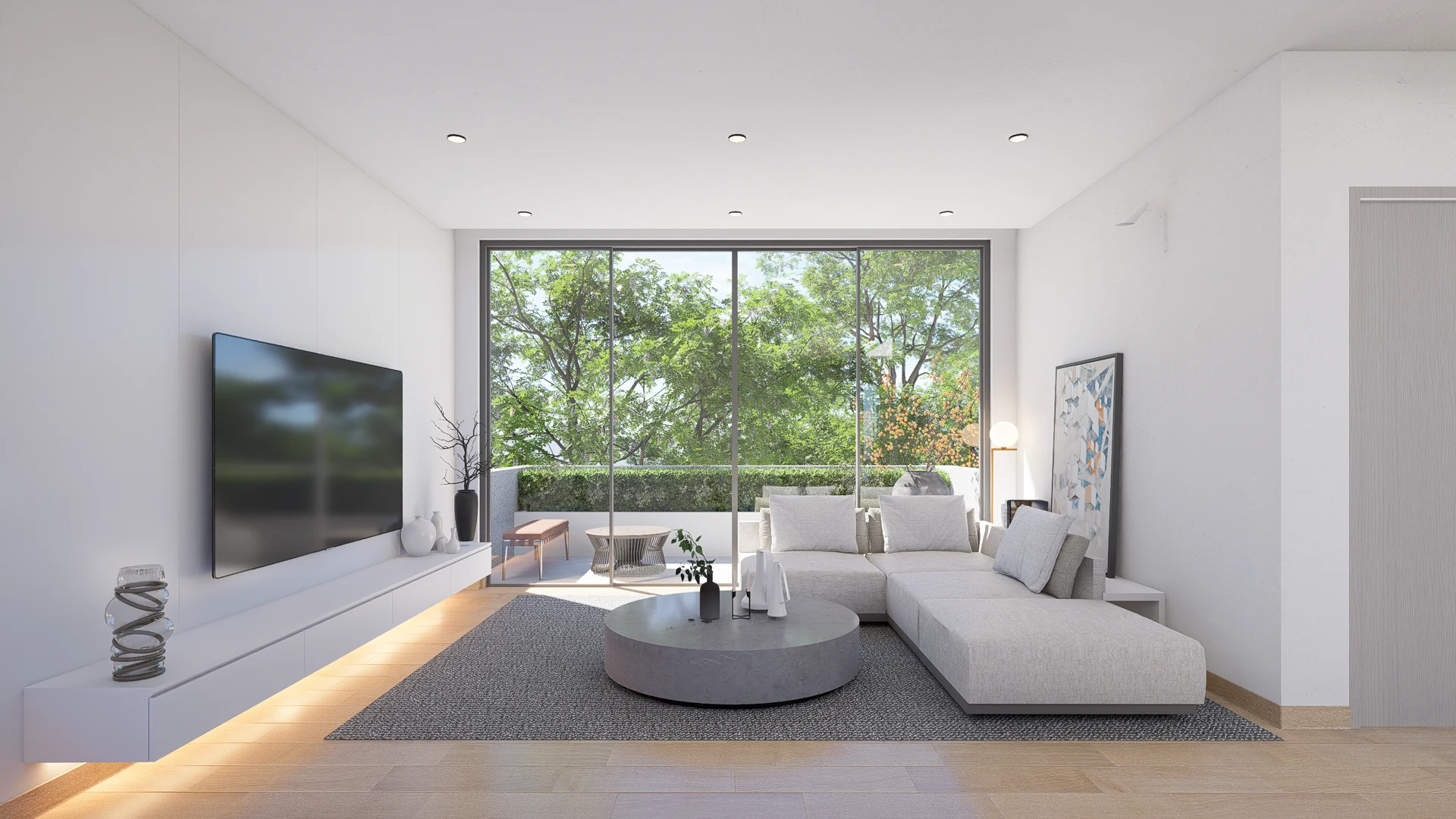
It may help to imagine a simpler disagreement than a complete redesign. A lamp gives the right amount of light but its position makes a preferred seat awkward to use. Someone moves the lamp, or the chair, or changes the table between them. The room has not rejected its architecture. It has acquired information about a task that only repeated use could reveal. The freedom to make that correction matters precisely because the correction is small. If every adjustment requires professional approval, the house becomes a controlled exhibit. If none of the spatial relationships can tolerate a moved chair, the apparent generosity of the room was thinner than its rendering suggested.
อาจลองนึกถึงความไม่ตรงกันที่เล็กกว่าการออกแบบห้องใหม่ทั้งห้อง โคมไฟให้แสงเหมาะ แต่ตำแหน่งทำให้เก้าอี้ตัวที่ชอบนั่งใช้ไม่ถนัด คนอยู่จึงย้ายโคมหรือเก้าอี้ หรือเปลี่ยนโต๊ะข้างระหว่างสองสิ่ง ห้องไม่ได้ปฏิเสธสถาปัตยกรรม แต่ได้รับข้อมูลเรื่องกิจกรรมที่รู้ได้จากการใช้ซ้ำ อิสระในการแก้มีค่าเพราะมันเป็นเรื่องเล็ก หากทุกการปรับต้องรออนุญาตผู้เชี่ยวชาญ บ้านก็กลายเป็นนิทรรศการควบคุม และถ้าความสัมพันธ์ของพื้นที่รับเก้าอี้ที่ถูกขยับไม่ได้เลย ความใจกว้างที่ Render แสดงอาจบางกว่าที่เราคิด
Not everything should be equally movable. The central court is a substantial architectural decision. The covered entry, the orientation toward the pool and the relationship between the two floors are not easily revised by dragging a chair. Their permanence asks for careful judgement early in the process. But the objects and smaller routines within those relationships can often change without destroying them. Confusing these two time scales creates a peculiar kind of house, one in which ordinary life is continually apologising to the architect's diagram.
อย่างไรก็ตาม ไม่ใช่ทุกอย่างควรขยับได้เท่ากัน คอร์ตกลางบ้านเป็นการตัดสินใจทางสถาปัตยกรรมที่มีผลมาก ทางเข้าที่มีหลังคาคลุม ทิศทางรับสระ และความสัมพันธ์ระหว่างสองชั้น ไม่ใช่สิ่งที่จะเปลี่ยนได้ด้วยการลากเก้าอี้ไปมา ความถาวรของมันต้องใช้วิจารณญาณมากตั้งแต่ต้น แต่ของใช้กับกิจวัตรเล็ก ๆ ภายในความสัมพันธ์เหล่านั้นเปลี่ยนได้หลายครั้งโดยไม่ทำลายแกนหลัก หากปนเวลาสองระดับนี้เข้าด้วยกัน บ้านอาจกลายเป็นสถานที่ประหลาดที่ชีวิตธรรมดาต้องคอยขอโทษผังของสถาปนิกอยู่เสมอ
There are reasons for certain relationships in PRAWET to remain relatively stable. The court has been given a central position, the communal rooms face the planted opening and the pool, and the quieter sitting area occupies another part of the house. These decisions concern the building's basic spatial order. They are not as easily changed as moving a lamp from one table to another. That is why they deserve careful assessment before construction. The lasting parts of architecture should provide a structure within which less lasting things can move. A good composition needs coherence, but coherence is different from a prohibition on change.
มีเหตุผลที่ความสัมพันธ์บางอย่างของ PRAWET ควรคงอยู่ค่อนข้างถาวร คอร์ตอยู่กลางบ้าน ห้องส่วนกลางหันเข้าหาช่องเปิดที่มีต้นไม้และสระ ส่วนพื้นที่พักเงียบอยู่ในอีกตำแหน่ง นี่คือระเบียบพื้นฐานของอาคาร เปลี่ยนไม่ง่ายเท่าการย้ายโคมไฟจากโต๊ะหนึ่งไปอีกโต๊ะหนึ่ง จึงต้องพิจารณาให้ดีตั้งแต่ก่อนก่อสร้าง ส่วนที่คงทนของสถาปัตยกรรมควรเป็นโครงให้สิ่งที่เปลี่ยนง่ายกว่าเคลื่อนตัวได้ องค์ประกอบที่ดีต้องมีความสอดคล้อง แต่ความสอดคล้องไม่เหมือนคำสั่งห้ามเปลี่ยน
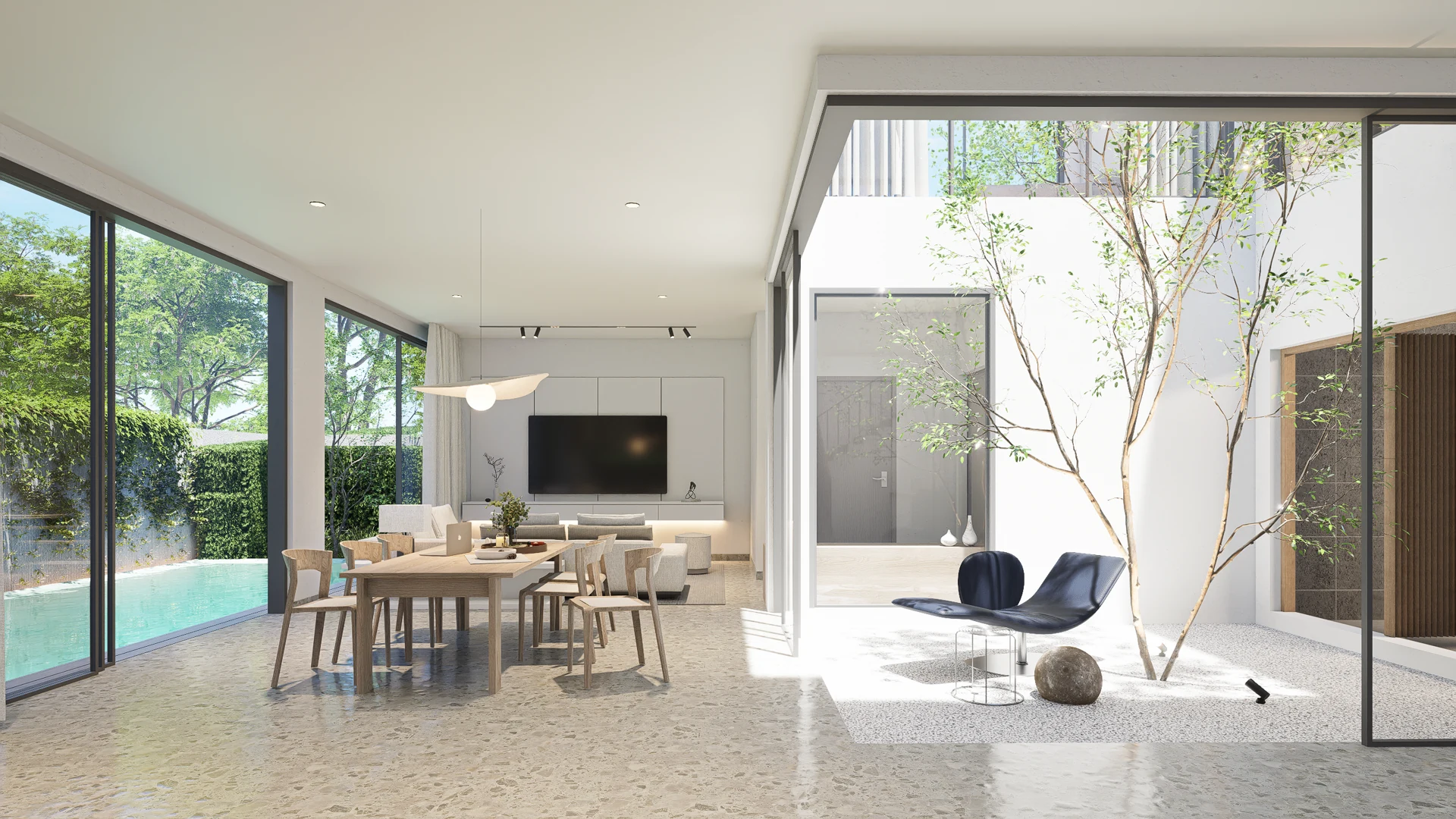
The difficult part of flexibility is deciding what should resist change. A window that opens towards the court is not interchangeable with a chair turned to face it. The opening may affect the enclosure, structure and long-term maintenance of the house. The chair changes the position of a body for a particular purpose. Treating both as equally provisional avoids an important professional responsibility. The durable framework needs enough precision to make later adaptation intelligible rather than chaotic. It also needs to avoid overdesigning everyday arrangements to the point where their users cannot accommodate a new habit without disturbing something essential. This balance is more useful than a promise that the house will accommodate any future lifestyle automatically.
ส่วนยากของความยืดหยุ่นคือเลือกว่าสิ่งไหนควรต้านการเปลี่ยน หน้าต่างที่หันเข้าคอร์ตใช้แทนเก้าอี้ที่หมุนไปทางคอร์ตไม่ได้ ช่องเปิดอาจเกี่ยวข้องกับเปลือกอาคาร โครงสร้าง และการดูแลระยะยาว ขณะที่เก้าอี้เปลี่ยนตำแหน่งร่างกายเพื่อกิจกรรมเฉพาะ การมองทั้งสองชั่วคราวเท่ากันเป็นการหลบหน้าที่วิชาชีพอย่างหนึ่ง โครงที่คงทนต้องแม่นพอให้การปรับภายหลังยังอ่านออก ไม่ใช่สะเปะสะปะ และไม่ควรออกแบบการจัดของในชีวิตประจำวันแน่นจนคนอยู่สร้างนิสัยใหม่ไม่ได้โดยไม่รบกวนสิ่งสำคัญ สมดุลนี้มีค่ากว่าคำสัญญาว่าบ้านรองรับทุกไลฟ์สไตล์ในอนาคตได้เอง
Objects have reasons for staying that do not show up in a material schedule. A repaired lamp may be liked because someone knows how it works. A chair may be comfortable despite having the wrong shape for the photograph. A small collection can carry associations that cannot be photographed convincingly or explained to a visitor in two sentences. I do not know what objects the PRAWET family owns, and I would not invent sentimental histories for them. The general design question is whether the room allows privately valued things to live beside an architectural composition without making the people who use them feel like mistakes.
สิ่งของมีเหตุผลให้ถูกเก็บไว้ซึ่งไม่เคยปรากฏในตารางวัสดุ โคมไฟที่ผ่านการซ่อมอาจมีค่าต่อคนใช้เพราะเขารู้จักมันดี เก้าอี้อาจนั่งสบายทั้งที่รูปทรงไม่เข้ากับภาพ ของสะสมเล็ก ๆ บางชุดมีความผูกพันที่ถ่ายภาพให้คนอื่นเข้าใจไม่ได้ และอธิบายในสองประโยคก็ไม่พอ ผมไม่รู้ว่าครอบครัว PRAWET มีของเหล่านั้นจริงหรือไม่ จึงไม่ควรแต่งประวัติซาบซึ้งแทนเขา คำถามของการออกแบบกว้างกว่านั้น ห้องเปิดรับของที่คนให้คุณค่าส่วนตัวได้แค่ไหน โดยไม่ทำให้ผู้ใช้รู้สึกว่าตัวเองกำลังทำให้องค์ประกอบผิดพลาด
The value of an object is another matter a rendering cannot settle. Designers are trained to choose objects for proportion, material, colour and relationship to an interior. Residents may keep an object because it is comfortable, repairable, familiar, or simply works in a way that nothing new quite replaces. Those motives can be difficult to translate into a coordinated palette. This does not mean every possession has the right to occupy common space without consequence. A much-loved chair can still block circulation and a collection can inconvenience somebody else. A domestic interior should provide the conditions for negotiation among actual preferences, rather than assuming that the aesthetic hierarchy established for publication will settle every future choice.
คุณค่าของสิ่งของยังเป็นเรื่องที่ภาพตัดสินแทนไม่ได้ นักออกแบบถูกฝึกให้เลือกของจากสัดส่วน วัสดุ สี และความสัมพันธ์กับห้อง แต่คนอยู่จริงอาจเก็บของบางชิ้นเพราะนั่งสบาย ซ่อมได้ คุ้นมือ หรือเพราะมันทำหน้าที่บางอย่างที่ของใหม่ทดแทนไม่ได้ เหตุผลเหล่านี้อาจเข้ากับ Palette ที่จัดไว้ยาก ไม่ได้หมายความว่าของทุกชิ้นมีสิทธิ์ยึดพื้นที่ร่วมโดยไม่ต้องคำนึงถึงใคร เก้าอี้ตัวรักยังอาจขวางทางเดิน ของสะสมอาจสร้างภาระให้คนอื่น ภายในบ้านควรรองรับการตกลงกันระหว่างความชอบจริง มากกว่าถือว่าลำดับความงามที่จัดเพื่อเผยแพร่จะตอบทุกเรื่องในอนาคต
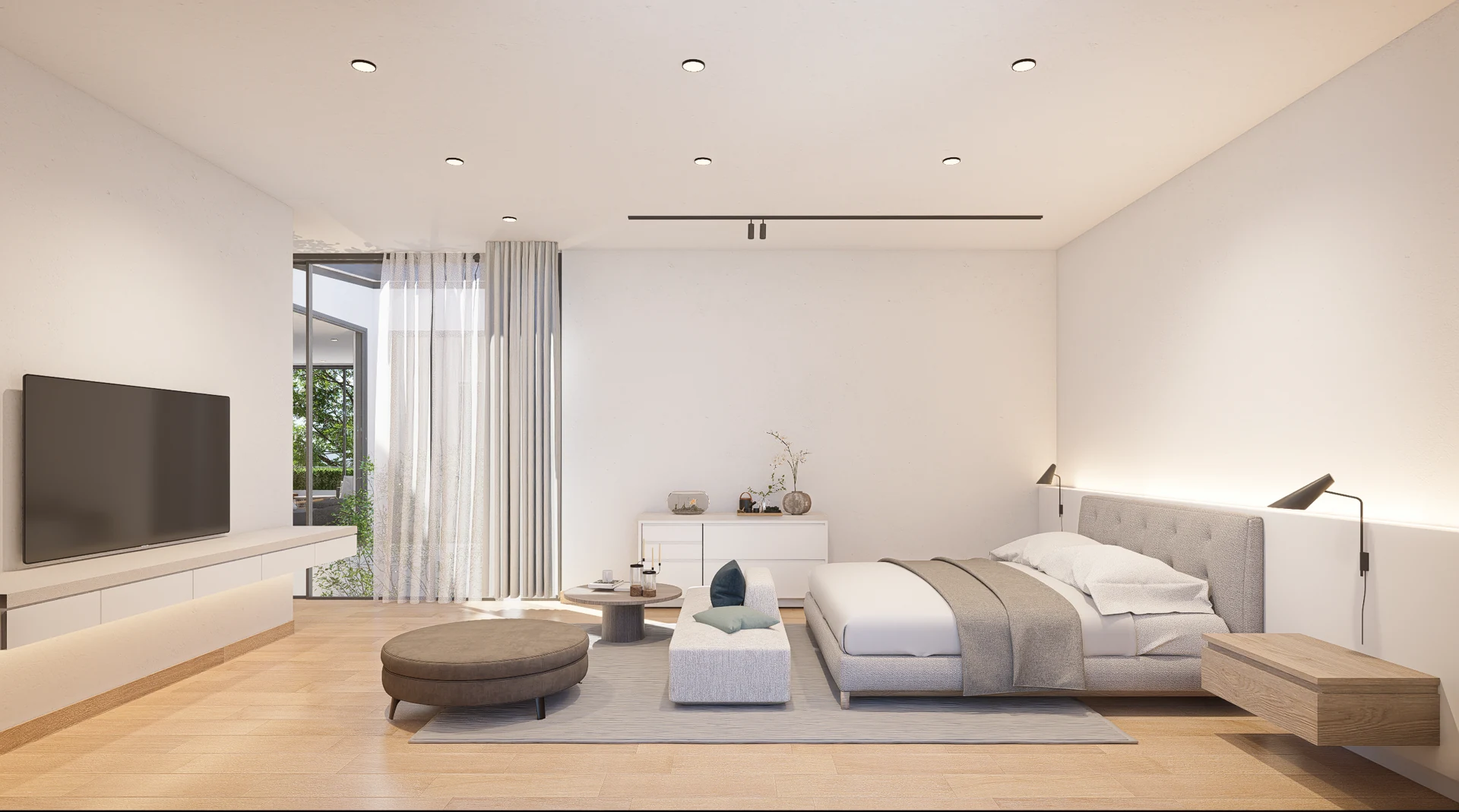
A designer may be tempted to view unfamiliar belongings as noise in a carefully edited interior. From the owner's position, those belongings might be the most legible things in the room. A chair could fit a person's posture, a repaired object might still perform reliably, and an old lamp may be preferable to a new one because its operation is familiar. There is no project evidence naming such objects for PRAWET, so they remain examples. Their role in the argument is to show why compatibility should not be judged exclusively through colour, provenance or photographic neatness. A home needs room for the things people actually choose, as well as a clear path for resolving when one person's choice obstructs another's use.
นักออกแบบอาจมองของที่ไม่ได้อยู่ใน Moodboard เป็นสิ่งรบกวนภายในที่จัดไว้อย่างดี แต่สำหรับเจ้าของ ของเหล่านั้นอาจเป็นสิ่งที่คุ้นเคยที่สุด เก้าอี้อาจเข้ากับท่าทางของคน โคมไฟที่ซ่อมแล้วอาจยังทำงานได้ดี หรือของเก่าใช้สะดวกกว่าเพราะรู้วิธีจับมัน เอกสาร PRAWET ไม่ได้ระบุว่ามีของตัวอย่างนี้จริง จึงเป็นเพียงภาพสมมติที่ช่วยอธิบายว่า ความเข้ากันได้ไม่ควรถูกตัดสินด้วยสี ที่มา หรือความเรียบร้อยในภาพอย่างเดียว บ้านต้องมีที่ให้ของที่คนเลือกเอง พร้อมกับวิธีตกลงกันเมื่อของที่คนหนึ่งชอบทำให้คนอื่นใช้พื้นที่ลำบาก
Of course a house shared by several people cannot simply permit every object to occupy any available surface. A favourite chair may obstruct circulation. A collection may crowd the table where others eat. A personal preference can become somebody else's recurring inconvenience. This is precisely why I do not want to romanticise disorder as evidence of authenticity. The interest lies in negotiation, not in accumulating things. A plan succeeds when its more durable relationships support the changes a family can agree upon, including decisions to move an object away.
แน่นอนว่าบ้านที่อยู่ร่วมกันหลายคนก็ไม่อาจปล่อยให้ทุกสิ่งเข้ายึดทุกพื้นผิวได้ เก้าอี้ตัวโปรดอาจขวางทางเดิน ของสะสมอาจกินพื้นที่โต๊ะที่คนอื่นต้องใช้กินข้าว ความชอบของคนหนึ่งอาจเป็นความลำบากซ้ำ ๆ ของอีกคน ผมจึงไม่อยากยกความรกให้กลายเป็นหลักฐานความจริงแท้ของชีวิตโดยอัตโนมัติ สิ่งน่าสนใจคือการตกลงกัน ไม่ใช่การสะสมของ ผังที่ดีควรทำให้ความสัมพันธ์ถาวรของบ้านรองรับการเปลี่ยนแปลงที่คนอยู่ตกลงร่วมกันได้ รวมถึงวันที่ต้องย้ายของบางอย่างออกไป
This suggests a modest distinction between durability and rigidity. Durable design preserves relationships that remain useful as circumstances change. Rigid design preserves a particular appearance even when doing so becomes awkward for the people using it. The two can look remarkably alike on opening day. Their difference emerges when a household's routines shift, somebody's needs change or an object acquires an unexpected place. Nothing in the PRAWET source tells us that any such event has already occurred. The project can nevertheless be discussed through the choices it would leave available. If the furniture can be reconsidered without sacrificing the primary outlook and circulation, the architectural framework has done something valuable beyond producing a fine first image.
ตรงนี้ทำให้เราแยกความทนทานออกจากความแข็งตายได้ แบบที่ทนทานรักษาความสัมพันธ์ซึ่งยังมีประโยชน์เมื่อสถานการณ์เปลี่ยน แต่แบบที่แข็งตายรักษาหน้าตาเฉพาะช่วงหนึ่งไว้ แม้จะทำให้คนใช้งานลำบาก ทั้งสองอาจดูเหมือนกันมากในวันแรก ความต่างจะเริ่มปรากฏเมื่อกิจวัตรเปลี่ยน ความต้องการของสมาชิกเปลี่ยน หรือของชิ้นหนึ่งได้ตำแหน่งที่ไม่คาดไว้ ข้อมูล PRAWET ไม่ได้บอกว่าเหตุการณ์เหล่านี้เกิดขึ้นแล้ว แต่เราพิจารณาได้ว่าแบบเหลือทางเลือกอะไรไว้บ้าง หากปรับเฟอร์นิเจอร์โดยไม่ทำลายวิวหลักกับทางสัญจรได้ โครงสถาปัตยกรรมก็มีคุณค่ามากกว่าการสร้างภาพแรกที่ดี
Time makes some changes inevitable and others optional. A finish may wear, an appliance may become obsolete and a person may develop a different routine. None of these situations is identical to moving a chair, and none can be handled through a vague statement about timeless design. The building's elements have different replacement and adjustment cycles, with costs and interfaces that need real planning. The visible imagery cannot establish PRAWET's maintenance costs or capacity for future alterations. But the distinction between durable architectural relationships and more changeable domestic arrangements can still inform how we judge the design. It asks whether the room will remain useful when its exact appearance no longer resembles the first image.
เวลาทำให้บางความเปลี่ยนแปลงเลี่ยงไม่ได้ และบางอย่างเป็นเรื่องเลือก ผิววัสดุอาจสึก เครื่องใช้ล้าสมัย หรือคนสร้างกิจวัตรใหม่ เรื่องเหล่านี้ไม่เหมือนการเลื่อนเก้าอี้ทั้งหมด และแก้ด้วยคำว่า Timeless Design กว้าง ๆ ไม่ได้ องค์ประกอบอาคารมีรอบการเปลี่ยนและปรับไม่เท่ากัน พร้อมต้นทุนกับรอยต่อที่ต้องวางแผนจริง ภาพไม่อาจยืนยันต้นทุนดูแลหรือความสามารถในการดัดแปลงของ PRAWET แต่การแยกความสัมพันธ์ทางสถาปัตยกรรมที่ควรคงทนออกจากการจัดใช้ชีวิตที่ปรับง่ายกว่า ยังช่วยให้เราประเมินแบบได้ ว่าห้องยังมีประโยชน์ไหมเมื่อหน้าตาไม่เหมือนภาพแรกอีกแล้ว
Architecture is sometimes introduced as the art of imagining how people will live. The phrase is useful up to a point. It reminds designers to think beyond attractive elevations. But it can also encourage too much confidence that a designer can predict the routines of people they have not yet observed in the completed place. There is knowledge that belongs to the design stage and knowledge that arrives after somebody has used the room for a while. Respecting both does not weaken authorship. It recognises that architectural judgement is one contribution to a longer process of inhabitation.
เรามักพูดว่าสถาปัตยกรรมคือศิลปะของการจินตนาการว่าคนจะใช้ชีวิตอย่างไร คำนี้มีประโยชน์เพราะทำให้คิดไกลกว่ารูปด้านที่สวย แต่ก็อาจทำให้มั่นใจเกินไปว่าสถาปนิกทำนายกิจวัตรของคนที่ยังไม่ได้ใช้สถานที่จริงได้หมด ความรู้อย่างหนึ่งเกิดขึ้นตอนออกแบบ อีกอย่างเกิดหลังคนอยู่ในห้องไปสักระยะ การให้เกียรติความรู้ทั้งสองชนิดไม่ได้ลดคุณค่าผู้เขียนแบบ เพียงยอมรับว่าวิจารณญาณของสถาปนิกเป็นหนึ่งในสิ่งที่ช่วยเริ่มกระบวนการอยู่อาศัยที่ยาวนานกว่านั้น
Sometimes design language speaks of adapting to the future as if the future were one known scenario. In practice the changes a household will make are rarely supplied as a complete set of instructions at the beginning. Someone may work at home more often. A different chair may prove more useful. A quiet place might need to serve another purpose for part of the day. Those are illustrations, not predictions about the clients. The relevant decision is which elements can reasonably remain open to later adjustment and which require stronger commitments now. This way of thinking respects the owner's agency without asking the architect to know everything about a life that has not yet unfolded.
ภาษาการออกแบบชอบพูดเรื่องรองรับอนาคตราวกับอนาคตเป็นฉากเดียวที่รู้รายละเอียดแล้ว แต่ความเปลี่ยนแปลงในบ้านไม่ค่อยมาพร้อมชุดคำสั่งครบตั้งแต่วันแรก คนอาจทำงานที่บ้านบ่อยขึ้น เก้าอี้อีกชนิดอาจใช้สะดวกกว่า หรือมุมพักเงียบอาจต้องทำหน้าที่อื่นบางช่วงวัน สิ่งเหล่านี้เป็นตัวอย่าง ไม่ใช่คำทำนายเกี่ยวกับลูกค้า คำถามคืออะไรควรเปิดให้ปรับภายหลังได้ และอะไรต้องตัดสินให้แน่นในวันนี้ วิธีคิดนี้ให้เกียรติการเลือกของเจ้าของบ้าน โดยไม่เรียกร้องให้สถาปนิกรู้ทุกเรื่องของชีวิตที่ยังไม่เกิดขึ้น
This is also a question about the limits of professional imagination. Architects can study a brief, test layouts and use experience to anticipate demands. They cannot know in advance every preference a resident will develop by repeatedly occupying a room. A responsible design does not retreat from decision making because the future is uncertain. It selects the consequential relationships carefully and avoids converting temporary choices into unnecessary constraints. The house becomes capable of receiving knowledge from use without forcing the inhabitants to solve problems that should already have been addressed in the drawings. I would measure the generosity of a room partly by how clearly it distinguishes those two obligations.
นี่เป็นเรื่องขอบเขตจินตนาการทางวิชาชีพด้วย สถาปนิกศึกษาบรีฟ ทดลองผัง และใช้ประสบการณ์คาดการณ์ความต้องการได้ แต่ไม่อาจรู้ล่วงหน้าทุกความชอบที่คนอยู่จะค้นพบหลังใช้ห้องซ้ำไปเรื่อย ๆ แบบที่รับผิดชอบไม่ใช่เลิกตัดสินใจเพราะอนาคตไม่แน่นอน แต่เลือกความสัมพันธ์ที่มีผลมากให้รอบคอบ และไม่ทำให้ทางเลือกชั่วคราวกลายเป็นข้อจำกัดที่ไม่จำเป็น บ้านจึงรับความรู้จากการใช้จริงได้โดยไม่ผลักให้คนอยู่ต้องแก้ปัญหาที่ควรได้รับคำตอบตั้งแต่ในแบบ ผมอยากวัดความใจกว้างของห้องจากความชัดว่ามันแยกหน้าที่สองแบบนี้ได้ดีเพียงใด
A photograph will still ask the room to be still. That is its nature and part of its beauty. A home should be allowed another nature. If one day a chair is found somewhere more useful than its published position, I would hope the architecture remains strong enough not to mind.
ภาพถ่ายยังต้องการให้ห้องอยู่นิ่ง เป็นธรรมชาติและความงามของภาพเอง แต่บ้านควรมีธรรมชาติอีกแบบ หากวันหนึ่งเก้าอี้ถูกย้ายไปอยู่ในที่ที่ใช้งานได้ดีกว่าตำแหน่งที่เผยแพร่ ผมหวังว่าสถาปัตยกรรมจะมีแกนของมันแข็งแรงพอจนไม่จำเป็นต้องรู้สึกเสียหน้า
One danger of celebrating flexibility is that the designer can use it to avoid taking responsibility for difficult choices. A plan without clear circulation or usable storage is not redeemed simply by saying residents may arrange it however they like. Nor should the burden of correcting poor detail be transferred to occupants under the attractive language of personalisation. PRAWET still needs to be judged as architecture with rooms, thresholds, interfaces and maintenance obligations. Leaving appropriate freedom within those decisions is different from leaving decisions unresolved. A shifted chair is a meaningful act of occupation only when the person can move it for preference rather than because the original layout makes everyday life impossible.
การชมความยืดหยุ่นก็มีอันตรายของมัน นักออกแบบอาจใช้คำนี้หลีกเลี่ยงการตัดสินใจยาก ๆ ผังที่ทางเดินไม่ชัดหรือที่เก็บของใช้งานไม่ได้ ไม่ได้ดีขึ้นเพียงเพราะบอกให้คนอยู่จัดอย่างไรก็ได้ และไม่ควรผลักภาระแก้รายละเอียดที่ไม่ดีให้เจ้าของภายใต้คำสวย ๆ ว่าปรับให้เป็นตัวเอง PRAWET ยังต้องถูกพิจารณาในฐานะงานสถาปัตยกรรมที่มีห้อง ขอบเขต รอยต่อ และภาระดูแล การเปิดอิสระที่เหมาะสมภายในคำตอบเหล่านี้ต่างจากการปล่อยเรื่องสำคัญให้ไม่จบ เก้าอี้ที่ถูกขยับมีความหมายต่อชีวิตเมื่อคนเลื่อนเพราะความชอบ ไม่ใช่เพราะผังเดิมทำให้นั่งตรงนั้นไม่ได้เลย
The small act of moving furniture says something important about when a house is finished. Construction can be completed, documents issued and rooms handed over, while the process of inhabitation is only beginning. Those states should not be confused. We have no evidence of which changes, if any, the PRAWET family has made after receiving the design. The essay need not claim them. The point is that even a carefully authored building leaves some decisions to the people who make it their everyday place. The designer's achievement should be durable enough for those decisions to occur without making the original architectural relationships meaningless. A chair may move. The responsibility for having made a workable room remains.
การขยับเฟอร์นิเจอร์เล็กน้อยบอกอะไรสำคัญเกี่ยวกับเวลาที่บ้านเสร็จได้ งานก่อสร้างอาจจบ เอกสารอาจออก และห้องอาจถูกส่งมอบ ขณะที่กระบวนการอยู่อาศัยเพิ่งเริ่ม สถานะเหล่านี้ไม่ควรถูกปนกัน เรายังไม่มีหลักฐานว่าครอบครัว PRAWET เปลี่ยนอะไรหลังรับแบบหรือไม่ บทความไม่จำเป็นต้องอ้างสิ่งเหล่านั้น ประเด็นคือแม้อาคารถูกออกแบบอย่างตั้งใจ ก็ยังเหลือการตัดสินใจให้คนที่ใช้มันเป็นสถานที่ประจำวัน ความสำเร็จของสถาปนิกควรทนต่อการตัดสินใจเหล่านั้นได้โดยไม่ทำให้แกนความสัมพันธ์เดิมหมดความหมาย เก้าอี้อาจย้าย แต่หน้าที่ในการออกแบบห้องให้ใช้งานได้ยังคงเป็นของผู้ออกแบบ
PROJECT CREDIT
Design Direction NATTHA / Natthapon Khemmueang
Design Development & Project Delivery Piaoform Studio