Someone Will Have to Clean the Glassกระจกบานนี้ใครเป็นคนเช็ด
Written by NATTHA / Natthapon Khemmueang
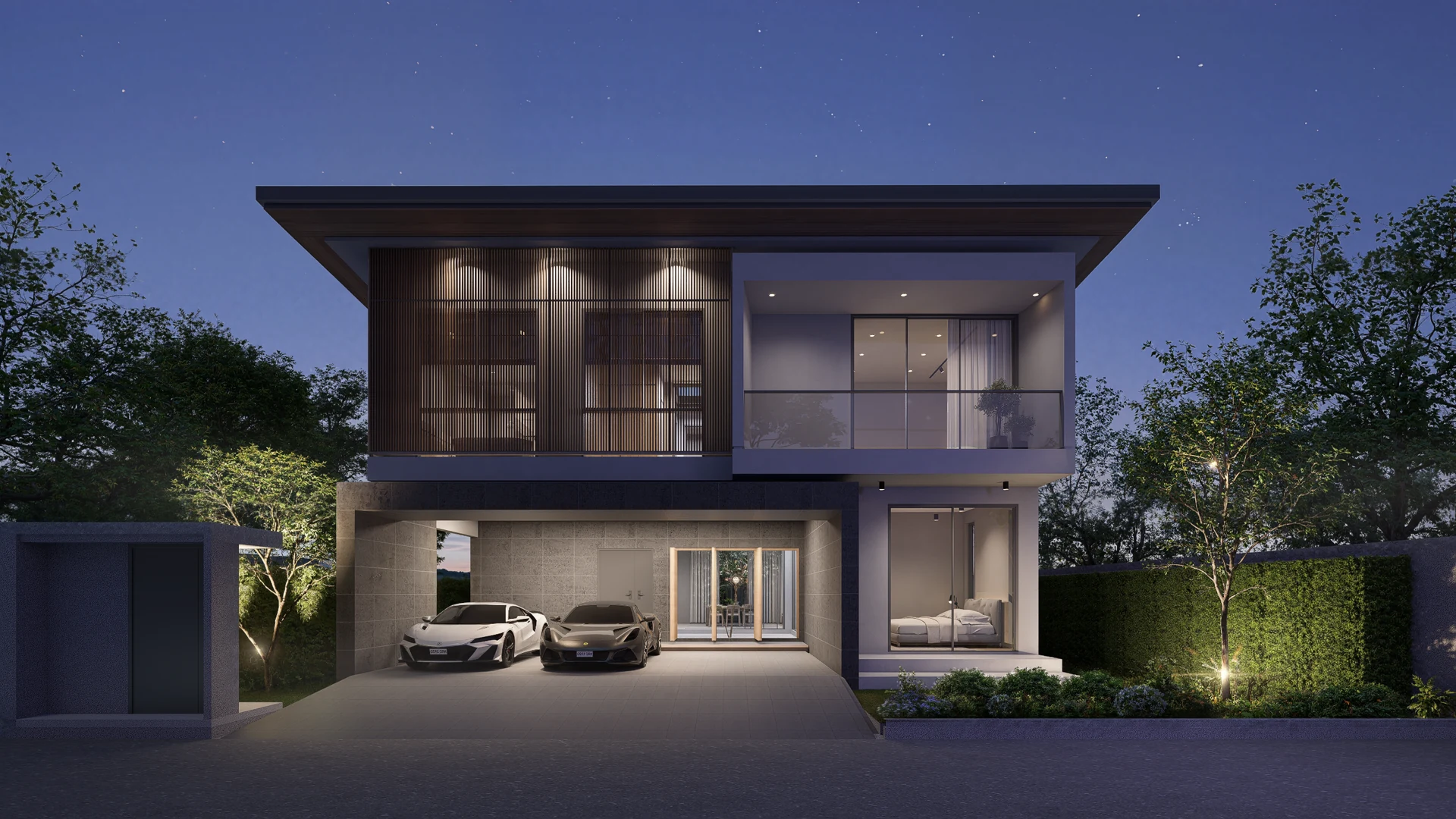
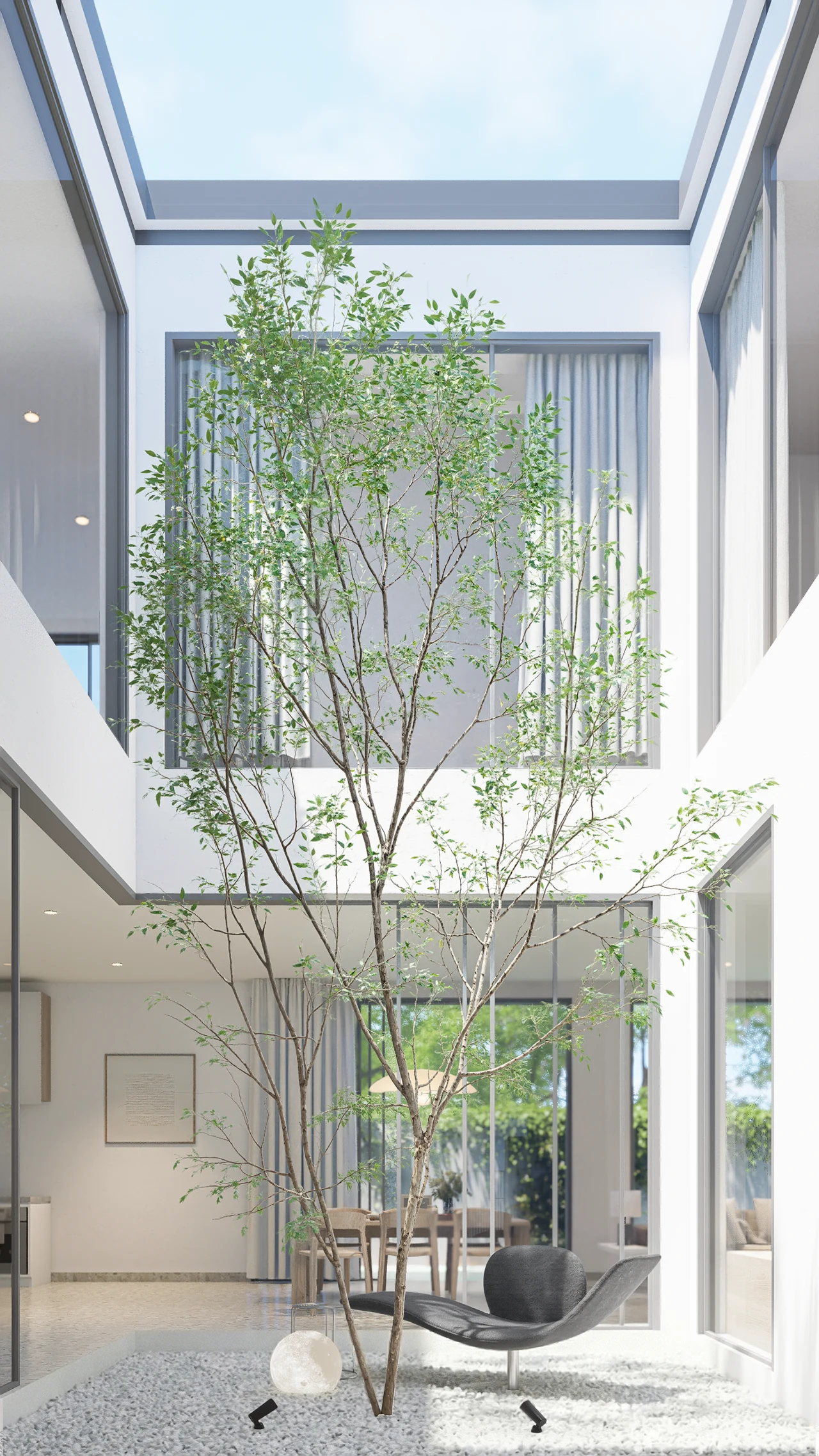
Try writing a maintenance schedule for a photograph. It is a strangely difficult exercise because photographs have no next Thursday. The water stays clear, the glass has no fingerprints and the objects remain where they were arranged. PRAWET's interior images are persuasive partly because the courtyard, long pool and generous glazing have been brought close to the shared rooms. They create the kind of pleasant outlook that can make a composition feel complete. When the image ends, however, the story of those surfaces has hardly begun.
ลองทำตารางดูแลรักษาให้ภาพถ่ายสักภาพดูครับ เป็นงานยากอย่างประหลาด เพราะภาพถ่ายไม่มีวันพฤหัสหน้าให้ต้องกลับมาเช็ดกระจก น้ำในภาพใสอยู่เสมอ ไม่มีรอยนิ้วมือบนผิวกระจก และของทุกชิ้นอยู่ในที่ที่จัดไว้ ภาพภายใน PRAWET น่ามองส่วนหนึ่งเพราะคอร์ต สระยาว และกระจกขนาดใหญ่ถูกนำมาอยู่ใกล้ห้องส่วนกลาง จนสร้างวิวที่ทำให้องค์ประกอบดูสมบูรณ์ แต่เมื่อภาพจบ เรื่องของพื้นผิวเหล่านั้นเพิ่งจะเริ่มต้นเอง
This is the point at which a design photograph and a household begin to disagree about time. A photograph rewards the instant in which everything is sufficiently arranged to be seen. A household must continue after that instant. Someone will open the door with their hands full, leave a glass somewhere convenient, or discover that the surface which seemed wonderfully clear needs a way to be cleaned. Those are not failures of design or defects in the people using it. They are the ordinary continuation of the spaces the designer has proposed. PRAWET's courtyard, pool and glazing make the question visible because so much of the shared interior is arranged around elements that require attention beyond their initial appearance.
ตรงนี้เองที่ภาพสถาปัตยกรรมกับชีวิตในบ้านเริ่มเห็นเวลาไม่ตรงกัน ภาพให้รางวัลกับวินาทีที่ทุกอย่างถูกจัดเข้าที่จนพร้อมให้มอง แต่บ้านต้องดำเนินต่อจากวินาทีนั้น ใครบางคนจะเปิดประตูทั้งที่ถือของเต็มมือ วางแก้วไว้ใกล้ตัว หรือพบว่าพื้นผิวที่ดูโล่งสวยต้องมีวิธีเข้าไปทำความสะอาด เรื่องเหล่านี้ไม่ได้แปลว่าแบบผิดหรือคนใช้พื้นที่ไม่เรียบร้อย แต่เป็นความต่อเนื่องตามธรรมดาของพื้นที่ที่เราสร้างขึ้น PRAWET ทำให้คำถามนี้ชัดเพราะห้องส่วนกลางจำนวนมากถูกจัดให้สัมพันธ์กับคอร์ต สระ และกระจกที่ต้องได้รับการดูแลหลังภาพแรก
A photograph freezes the very moment when the people who prepared the room have stepped aside. Their work remains visible only through the absence of marks, the alignment of objects and the clear surfaces that let the camera read the composition. This is useful for communicating architecture, but a home cannot remain in that state by itself. Somebody must notice what needs care, decide when it matters and carry out the work. We have no grounds for naming that person in the PRAWET household. The point is broader and more precise. Every decision to increase an area of glass, water or living landscape also changes the work that somebody may one day have to perform.
ภาพถ่ายหยุดเวลาตรงช่วงที่คนเตรียมห้องถอยออกจากเฟรมแล้ว งานของพวกเขายังอยู่ในภาพผ่านการไม่มีรอย การจัดของตรงตำแหน่ง และพื้นผิวใสที่ทำให้กล้องอ่านองค์ประกอบได้ นี่มีประโยชน์ต่อการสื่อสารสถาปัตยกรรม แต่บ้านรักษาสภาพแบบนั้นด้วยตัวเองไม่ได้ ต้องมีคนสังเกตว่าอะไรต้องดูแล ตัดสินใจว่าเมื่อไรสำคัญ และลงมือทำ เราไม่มีหลักฐานจะระบุว่าคนนั้นเป็นใครในครอบครัว PRAWET ประเด็นกว้างแต่แม่นยำกว่าคือทุกการตัดสินใจเพิ่มกระจก น้ำ หรือพื้นที่ปลูกต้นไม้ ยังเปลี่ยนปริมาณงานที่ใครบางคนอาจต้องทำในวันข้างหน้าด้วย
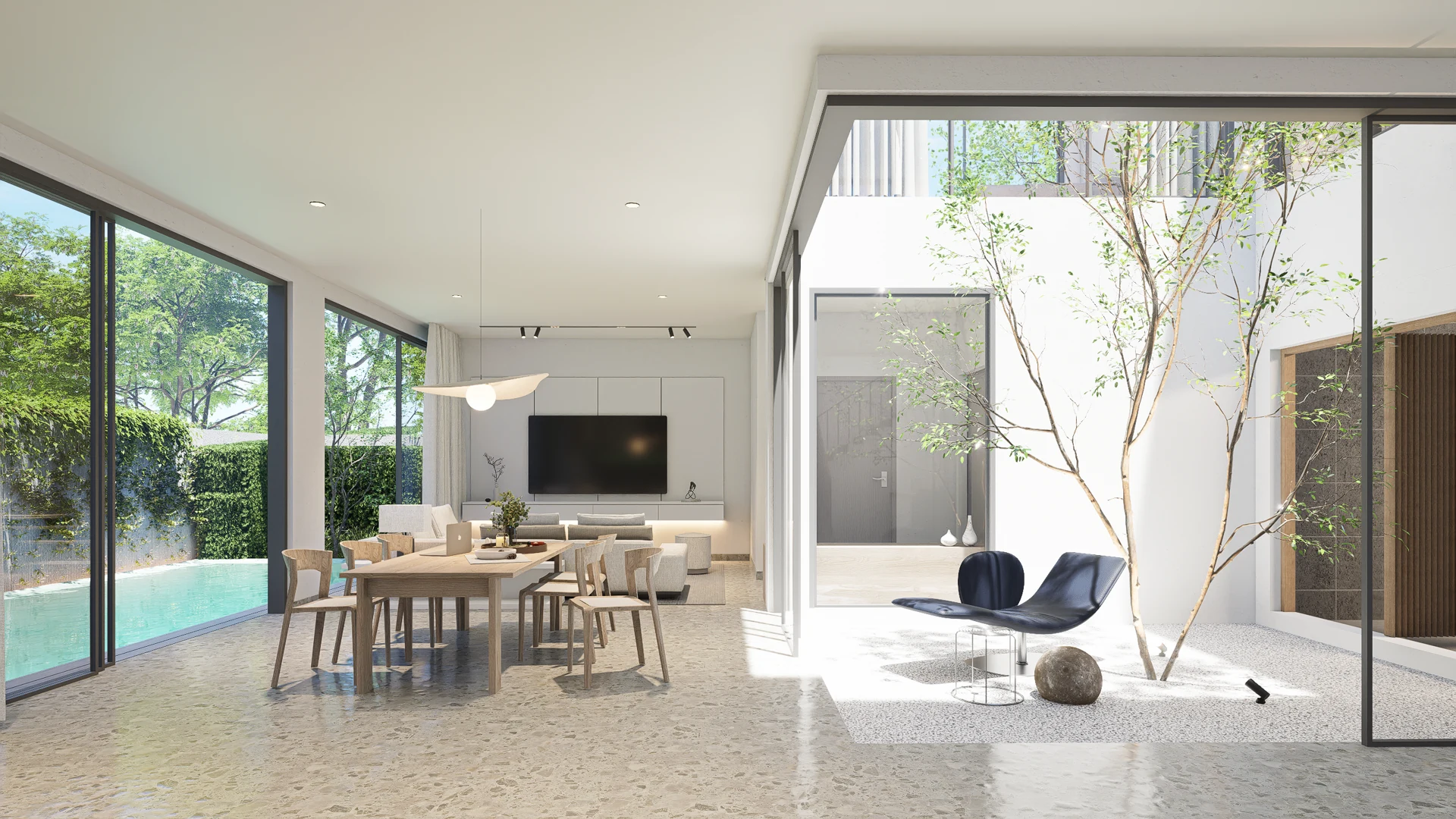
Glass changes its role during a day. At breakfast it may be an almost invisible layer between the table and the courtyard. At another hour it catches reflections. After an ordinary stretch of use, the same pane is also a surface that somebody will have to reach, clean and inspect. That final description does not flatter the design, which is probably why it is often left out. Yet an architectural decision about the size and position of glass is also a decision about future work. The person who maintains the view deserves a place in the design conversation alongside the person who enjoys it.
กระจกเปลี่ยนหน้าที่ระหว่างวัน ตอนกินข้าวมันอาจแทบไม่ปรากฏอยู่ระหว่างโต๊ะกับต้นไม้ บางเวลาแสงสะท้อนทำให้เราเห็นผิวกระจกชัดขึ้น และหลังใช้งานไประยะหนึ่ง บานเดิมก็กลายเป็นสิ่งที่ใครบางคนต้องเอื้อมไปเช็ดและตรวจดู คำบรรยายตอนท้ายไม่ค่อยทำให้แบบดูงาม จึงมักถูกตัดออกจากเรื่องเล่า ทั้งที่การเลือกขนาดและตำแหน่งกระจกเป็นการเลือกภาระดูแลในอนาคตพร้อมกัน คนที่จะรักษาวิวนี้ให้ใช้งานต่อได้ควรถูกนับอยู่ในบทสนทนาตั้งแต่ต้น ไม่ใช่มีเพียงคนที่จะนั่งชื่นชมวิว
Consider the difference between a surface that looks easy to clean and one a person can reach safely. A large uninterrupted pane may feel visually calm. Its height and location might require particular access arrangements for cleaning or replacement. A design drawing should make those arrangements possible through suitable dimensions, details and coordination, while a rendering may leave them outside the frame. It would be unfair to call this house hard to maintain merely because the image does not show equipment. It would be equally careless to describe it as maintenance free. The honest editorial question is whether the beauty we praise remains serviceable when a worker needs to approach the glass rather than look through it.
ลองแยกผิวที่ดูเช็ดง่ายออกจากผิวที่คนเอื้อมถึงได้อย่างปลอดภัย กระจกแผ่นใหญ่ต่อเนื่องอาจให้ภาพที่สงบ แต่ความสูงและตำแหน่งอาจต้องการวิธีเข้าทำความสะอาดหรือเปลี่ยนทดแทนโดยเฉพาะ แบบควรทำให้วิธีเหล่านั้นเป็นไปได้ผ่านมิติ รายละเอียด และการประสานงาน ขณะที่ Render อาจไม่ได้แสดงเครื่องมือในเฟรม จะไม่ยุติธรรมถ้ากล่าวว่าบ้านดูแลยากเพียงเพราะภาพไม่แสดงอุปกรณ์ แต่ก็สะเพร่าถ้าเขียนว่าบ้านแทบไม่ต้องดูแล คำถามตรงไปตรงมาคือความงามที่เราชื่นชมยังดูแลได้หรือไม่เมื่อคนทำงานต้องเข้าหากระจกแทนการมองผ่านมัน
There are two ways to write about generous glazing. One is to describe how much of the garden becomes visible from the dining table. The other begins with the person who will clean the pane, inspect the edges and reach the upper portions when required. Both are true parts of the design brief, though only the first is likely to appear in a social post. A large pane may provide a satisfying, nearly uninterrupted outlook. It also creates practical dependencies concerning access, joints, cleaning equipment and replacement. The available project images do not demonstrate how those operations will be carried out. They are precisely the matters a responsible design development and delivery process should resolve.
กระจกบานใหญ่เขียนถึงได้สองวิธี วิธีแรกบอกว่าคนที่โต๊ะอาหารมองเห็นสวนมากเพียงใด อีกวิธีเริ่มจากคนที่ต้องเช็ดกระจก ตรวจขอบ และเข้าถึงส่วนบนในวันที่จำเป็น ทั้งสองเป็นส่วนของโจทย์ออกแบบที่มีอยู่จริง แม้แบบแรกจะถูกหยิบลงโซเชียลง่ายกว่ามาก กระจกกว้างอาจให้วิวที่ต่อเนื่องน่าพอใจ แต่ก็สร้างภาระเรื่องการเข้าถึง รอยต่อ เครื่องมือทำความสะอาด และการเปลี่ยนทดแทน ภาพโครงการที่มีไม่ได้พิสูจน์ว่าการทำงานเหล่านั้นจะทำอย่างไร นั่นต่างหากเป็นเรื่องที่ขั้นพัฒนาแบบและส่งมอบงานต้องอธิบายให้ชัด
The family brief wanted connected living, dining and kitchen spaces. Connection helps several activities coexist, but it also means that the traces of those activities may remain visible across a larger shared area. A meal ends differently from a photograph of a table prepared for a meal. Dishes must go somewhere. Surfaces are wiped or left for later. A book may remain on a chair because somebody intends to return to it. These are general possibilities, not scenes reported from the owners' life at PRAWET. They matter because a connected plan does not remove the work of living. It gives that work a spatial arrangement.
โจทย์ครอบครัวต้องการให้ห้องนั่งเล่น อาหาร และครัวเชื่อมกัน การเชื่อมต่อช่วยให้หลายกิจกรรมอยู่ใกล้กัน แต่ก็ทำให้ร่องรอยของกิจกรรมเหล่านั้นปรากฏในพื้นที่ร่วมได้มากขึ้น มื้ออาหารที่จบจริงต่างจากภาพโต๊ะอาหารที่จัดสวย ๆ จานชามต้องมีที่ไป พื้นผิวอาจถูกเช็ดหรือปล่อยไว้ก่อน หนังสือบางเล่มอาจวางค้างบนเก้าอี้เพราะคนอ่านยังจะกลับมา ทั้งหมดเป็นความเป็นไปได้ของชีวิตทั่วไป ไม่ใช่เหตุการณ์จริงที่ผมรู้จากเจ้าของ PRAWET แต่สำคัญเพราะผังที่เชื่อมกันไม่ได้ทำให้งานบ้านหายไป มันเพียงจัดตำแหน่งให้งานเหล่านั้นเกิดขึ้น
An open connection between living and dining spaces can save some steps, but it can also make domestic labour harder to ignore. The table does not remain prepared for a photograph after a meal. Objects are moved and somebody has to decide whether to put them away or leave them within reach. Neither choice is inherently more refined. It is a negotiation between convenience, order and the time available to the people sharing the room. The PRAWET brief records connected communal areas, not an agreed household rule for tidiness. Describing a beautiful connected space should not silently impose a lifestyle that expects every ordinary trace of use to disappear immediately.
การเชื่อมห้องนั่งเล่นกับห้องอาหารอาจช่วยลดระยะเดิน แต่ก็ทำให้งานบ้านอยู่ในสายตามากขึ้น โต๊ะไม่ได้ถูกจัดเตรียมเหมือนภาพตลอดหลังมื้ออาหาร ของถูกย้าย และใครสักคนต้องตัดสินใจว่าจะเก็บหรือวางไว้ให้หยิบใช้ง่าย ทั้งสองทางเลือกไม่ได้มีรสนิยมสูงต่ำโดยตัวเอง มันคือการตกลงระหว่างความสะดวก ความเรียบร้อย และเวลาของคนใช้ห้องร่วมกัน โจทย์ PRAWET บันทึกเพียงการเชื่อมพื้นที่ส่วนกลาง ไม่ได้บอกกฎเรื่องความเป็นระเบียบของครอบครัว การเล่าห้องที่สวยและเชื่อมกันจึงไม่ควรแอบกำหนดวิถีชีวิตว่าร่องรอยใช้งานทุกชิ้นต้องหายทันที
The connecting line between living, dining and kitchen spaces deserves a similar second reading. When those areas are near one another, moving between tasks can be convenient. A household can use several parts of the common zone without losing sight of the courtyard and pool. Yet connected space also means that the traces of one activity may be visible from another. A meal can be enjoyed near an unfinished kitchen counter. A quiet seat may still be within sight of the next thing that needs to be put away. The floor plan cannot decide for this family whether that degree of visibility feels companionable or tiring. What it can do is recognise that openness creates social and practical consequences, not only visual continuity.
เส้นเชื่อมระหว่างห้องนั่งเล่น อาหาร และครัวควรถูกอ่านซ้ำอีกแบบ เมื่อพื้นที่อยู่ใกล้กัน การเปลี่ยนกิจกรรมอาจสะดวกขึ้น คนในบ้านใช้ส่วนต่าง ๆ ของพื้นที่ร่วมโดยยังเห็นคอร์ตกับสระได้ แต่ห้องที่เชื่อมกันยังหมายถึงร่องรอยของกิจกรรมหนึ่งปรากฏในสายตาของอีกกิจกรรมด้วย เราอาจกินข้าวใกล้เคาน์เตอร์ครัวที่ยังเก็บไม่เสร็จ หรือมุมที่ตั้งใจให้นั่งสงบอาจมองเห็นงานชิ้นถัดไปที่ต้องจัด ผังไม่ได้ตัดสินแทนครอบครัวนี้ว่าการเห็นกันมากขนาดนั้นอบอุ่นหรือเหนื่อย สิ่งที่ผังต้องยอมรับคือความเปิดสร้างผลด้านชีวิตและการทำงาน ไม่ใช่เพียงความต่อเนื่องของภาพ
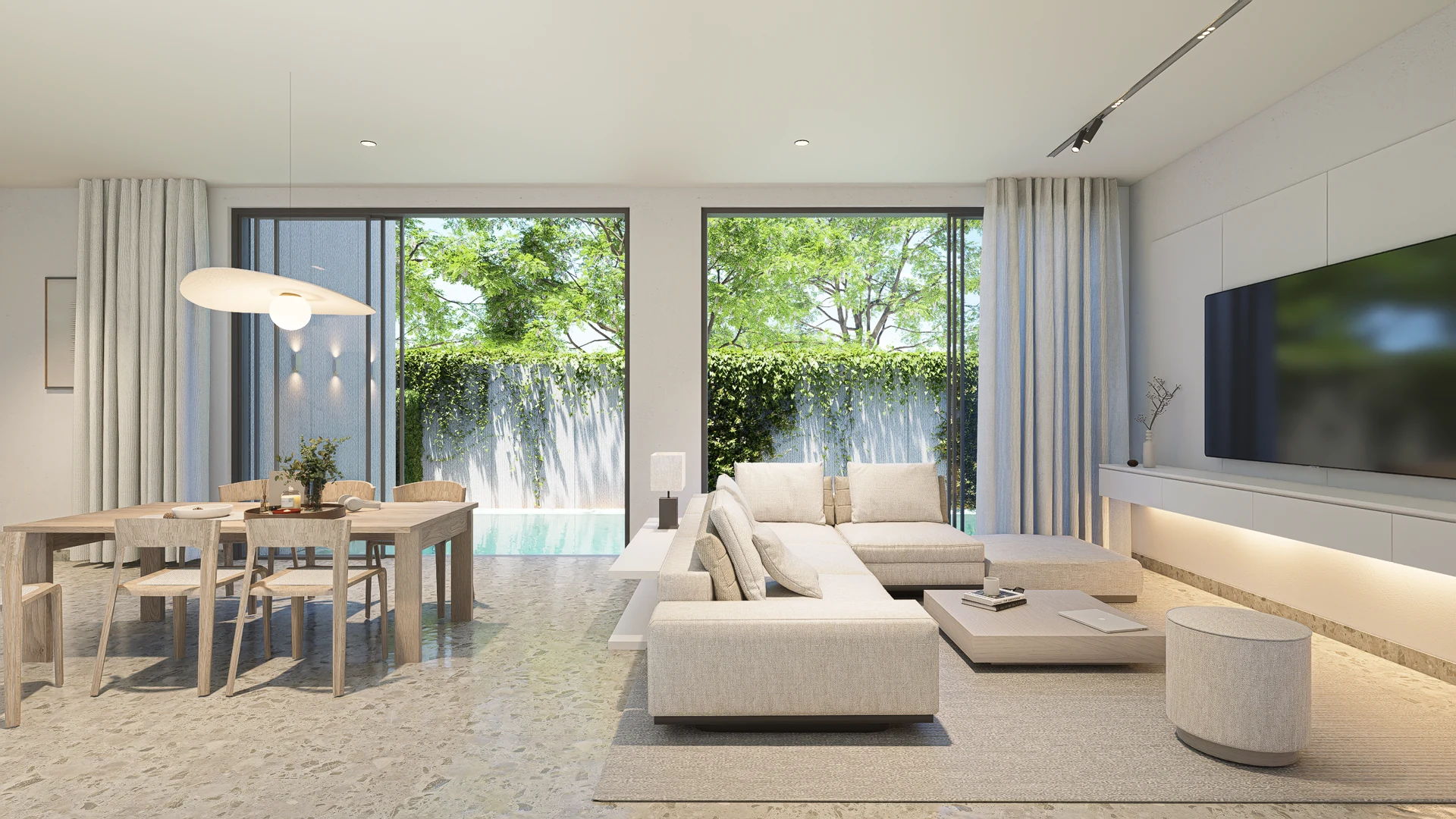
The pool brings another rhythm of care. A view of water depends on its condition, and that condition requires ongoing attention to equipment, surfaces and access. The courtyard tree has a different kind of time, growing and needing care according to its actual species and circumstances. Neither can be maintained by an attractive rendering. Nor do the images prove that a particular maintenance method will work or that access complies with safety requirements. Such questions belong to specifications, coordination and actual operation. A writer can nevertheless keep them visible without converting an essay into a defect report.
สระนำจังหวะงานดูแลอีกชนิดเข้าบ้าน วิวผิวน้ำขึ้นกับสภาพของน้ำ และสภาพนั้นต้องมีการตรวจอุปกรณ์ ผิวงาน และทางเข้าถึงอยู่เสมอ ต้นไม้ในคอร์ตมีเวลาของมันอีกแบบ เติบโตและต้องดูแลตามชนิดกับเงื่อนไขจริง ทั้งสองอย่างไม่ได้ดูแลตัวเองด้วยภาพ Render และภาพก็ไม่ได้พิสูจน์ว่าวิธีบำรุงรักษาแบบใดจะใช้การได้หรือทางเข้าถึงปลอดภัยตามข้อกำหนดหรือไม่ เรื่องเหล่านี้เป็นหน้าที่ของแบบรายละเอียด การประสานงาน และการใช้งานจริง ส่วนผู้เขียนยังสามารถทำให้คนอ่านเห็นความสำคัญได้โดยไม่ต้องเปลี่ยนบทความเป็นรายงานข้อบกพร่อง
The pool introduces a second kind of time into the interior view. It may be designed as a place for activity, yet from the shared rooms its surface is also part of the composition. Changes in water condition can therefore affect a view even when nobody is swimming. Planting along the boundary adds a different cycle of attention. Growth does not arrive according to a photographic schedule, and some forms of care require more than the enthusiasm of the person admiring the garden. Equipment, access and responsibility need to be settled through real project coordination. Their absence from editorial imagery should prompt questions, not invented descriptions of how the household maintains the site.
สระนำเวลาอีกแบบเข้ามาอยู่ในวิวภายใน มันอาจถูกออกแบบให้ใช้กิจกรรม แต่จากห้องส่วนกลาง ผิวน้ำยังเป็นส่วนขององค์ประกอบ แม้ไม่มีใครว่ายน้ำ สภาพน้ำที่เปลี่ยนก็เปลี่ยนภาพที่ห้องมองเห็นได้ แนวต้นไม้ข้างกำแพงเพิ่มรอบการดูแลอีกชนิด การเติบโตไม่ได้มาตามตารางถ่ายภาพ และบางงานต้องการมากกว่าความชอบสวนของคนมอง ระบบ ทางเข้าทำงาน และผู้รับผิดชอบต้องถูกจัดการผ่านการประสานโครงการจริง การที่ภาพไม่ได้แสดงเรื่องเหล่านั้นควรทำให้เราตั้งคำถาม ไม่ใช่แต่งว่าครอบครัวดูแลพื้นที่อย่างไร
Maintenance also arrives in several timescales. A glass surface may need ordinary cleaning. A piece of equipment connected to the pool needs periodic attention. Planting may require pruning, care or eventual replacement as its conditions change. Some tasks can be performed during regular domestic routines. Others require a professional with safe access and adequate working space. The composition of a courtyard becomes less convincing when the only route available to the maintenance worker is the one the designer hoped would remain visually untouched. The images do not provide enough detail to assess such access at PRAWET, so the issue belongs on the technical checklist rather than in a claim that the house is effortless to maintain.
งานดูแลยังมีเวลาไม่เท่ากัน กระจกอาจต้องเช็ดตามปกติ อุปกรณ์สระต้องตรวจเป็นระยะ ต้นไม้อาจต้องตัดแต่ง ดูแล หรือเปลี่ยนใหม่เมื่อสภาพแวดล้อมเปลี่ยน งานบางอย่างเป็นกิจวัตรในบ้านได้ แต่อีกบางอย่างต้องใช้ผู้เชี่ยวชาญพร้อมพื้นที่ทำงานที่เข้าถึงอย่างปลอดภัย องค์ประกอบคอร์ตจะน่าเชื่อถือน้อยลงหากทางเดียวที่คนดูแลเข้าได้คือจุดที่นักออกแบบหวังให้ไม่มีรอยการใช้งานปรากฏ ภาพ PRAWET ที่มีไม่ได้ละเอียดพอจะประเมินทางเข้าทำงานเหล่านี้ จึงควรอยู่ในรายการตรวจทางเทคนิค มากกว่าในคำกล่าวว่าบ้านดูแลได้โดยไม่ต้องออกแรง
The difference between daily care and eventual replacement matters. Wiping a surface is one task. Being able to repair a joint or change an element that has aged is another. Both become more difficult when a detail can be reached only by disturbing other important parts of the space. This is a lifecycle consideration, not a report of a defect at PRAWET. It is also not possible to assign a maintenance cost from the images alone. The useful design standard is simpler. Where an element will need attention, its future access should be considered when its initial appearance is selected. A quiet room becomes less generous if preserving that quiet appearance requires disproportionate disruption whenever something needs repair.
งานดูแลประจำวันต่างจากการเปลี่ยนของเมื่อถึงเวลา เช็ดผิวงานเป็นอย่างหนึ่ง แต่ซ่อมรอยต่อหรือเปลี่ยนชิ้นส่วนที่เสื่อมเป็นอีกอย่าง ทั้งสองยากขึ้นเมื่อเข้าถึงได้เพียงด้วยการรื้อสิ่งสำคัญอื่นรอบข้าง นี่เป็นเรื่องตลอดอายุการใช้งาน ไม่ใช่รายงานว่ามีข้อบกพร่องจริงใน PRAWET และภาพอย่างเดียวก็ใช้ตีราคาดูแลรักษาไม่ได้ มาตรฐานที่ควรคิดกลับเรียบง่ายกว่า ถ้าสิ่งหนึ่งต้องได้รับการดูแลในอนาคต ก็ควรคิดทางเข้าถึงตั้งแต่เลือกหน้าตาแรก ห้องที่ดูสงบจะใจกว้างน้อยลงหากต้องรบกวนพื้นที่มากเกินเหตุทุกครั้งที่มีอะไรต้องซ่อม
There is also work before physical work. Somebody has to notice what requires attention, remember it and decide whether it can wait. That mental inventory is easy to forget when discussing the convenience of a house. I cannot know who undertakes it in this family. A parent, a relative, a staff member or several people sharing responsibility would each alter the practical picture. The architect's responsibility is not to assign those roles without invitation. It is to avoid treating all maintenance as an invisible service that will somehow appear whenever a polished surface needs it.
นอกจากนี้ยังมีงานที่เกิดก่อนลงมือทำจริง ต้องมีใครสักคนสังเกตว่าอะไรควรดูแล จดจำไว้ และตัดสินใจว่ารอได้หรือไม่ บัญชีในหัวแบบนี้ถูกลืมง่ายมากเวลาเราพูดว่าบ้านใช้งานสะดวก ผมไม่รู้ว่าใครรับหน้าที่นี้ในครอบครัว PRAWET จะเป็นพ่อแม่ ญาติ พนักงาน หรือหลายคนแบ่งกันก็ทำให้ภาพการใช้งานต่างไป หน้าที่สถาปนิกไม่ได้อยู่ที่กำหนดบทบาทเหล่านั้นแทนเจ้าของ แต่อยู่ที่ไม่มองงานดูแลเป็นบริการล่องหนที่จู่ ๆ ก็ปรากฏมาเมื่อพื้นผิวสวย ๆ ต้องการมัน
There is an ethical blind spot in accounts that praise domestic calm without asking who sustains it. Cleaning is often written as a minor final step, as though the activity naturally happens after everything important has been completed. In reality, maintaining a home involves noticing, planning, allocating effort and deciding what can reasonably wait. We have no information about how responsibilities are distributed within the PRAWET household, and should not attach a gender, job title or social position to the person doing that work. The broader design judgement is still possible. A room is not generous merely because it offers beautiful space to the person relaxing. Its demands on the person preparing, cleaning and repairing it are also part of the arrangement.
การชมบ้านว่าสงบโดยไม่ถามว่าใครทำให้มันสงบมีจุดบอดทางจริยธรรมอยู่ งานทำความสะอาดมักถูกเขียนเป็นขั้นตอนเล็ก ๆ ตอนท้าย ราวกับเกิดขึ้นเองหลังทุกสิ่งสำคัญเสร็จแล้ว แต่การดูแลบ้านต้องใช้การสังเกต การวางแผน แบ่งแรง และตัดสินใจว่าเรื่องไหนรอได้ เราไม่มีข้อมูลว่าครอบครัว PRAWET แบ่งหน้าที่กันอย่างไร จึงไม่ควรเอาเพศ อาชีพ หรือสถานะทางสังคมไปติดไว้กับคนดูแลแทนเขา แต่เรายังตั้งคำถามต่อการออกแบบได้ ห้องไม่ได้ใจกว้างเพียงเพราะให้พื้นที่สวยแก่คนที่พักผ่อน ภาระของคนเตรียม เก็บ ซ่อม และรักษาห้องนั้นก็เป็นส่วนหนึ่งของการจัดพื้นที่เช่นกัน
There is also labour that leaves no visible trace once it has been done well. The person who remembers a service appointment, checks a plant's condition or decides that a surface can wait until tomorrow contributes to the household even before picking up a tool. In public descriptions of interiors, such attention is often assigned to nobody. The room simply appears ready. That omission can turn one person's available time into an invisible resource for everyone else. We cannot use the PRAWET plans to infer how this family divides duties. We can use the plans to ask whether the spaces and systems require unnecessary effort from whoever eventually performs the work. That is a professional question, not a judgement of the household.
ยังมีงานที่ไม่เหลือร่องรอยให้เห็นเมื่อทำเสร็จดีแล้ว คนที่จำวันนัดช่าง ตรวจสภาพต้นไม้ หรือเลือกว่าวันนี้ปล่อยผิวงานไว้ก่อนก็มีส่วนดูแลบ้านตั้งแต่ยังไม่หยิบเครื่องมือ ในคำบรรยาย Interior งานแบบนี้มักไม่มีเจ้าของ ห้องปรากฏว่าพร้อมใช้งานเฉย ๆ การละเลยเช่นนี้อาจทำให้เวลาของคนหนึ่งกลายเป็นทรัพยากรล่องหนให้คนอื่น แผน PRAWET ไม่ได้บอกว่าครอบครัวแบ่งงานอย่างไร แต่ใช้ตั้งคำถามได้ว่าพื้นที่และระบบเพิ่มแรงที่ไม่จำเป็นให้คนซึ่งต้องทำหน้าที่นั้นในอนาคตหรือไม่ นี่เป็นคำถามวิชาชีพ ไม่ใช่การตัดสินครอบครัว
An immaculate room can begin to make unreasonable demands. Every object left out is treated as an interruption, every mark as a failure. If the home must permanently resemble the presentation, someone is effectively employed by the image whether or not anyone has agreed to that job. This is not an argument for neglect, and good maintenance may require real discipline. It is an argument for deciding what level of order helps the household use the space and what level merely protects an aesthetic standard. That distinction belongs to the people living there, and their time has value.
ห้องที่เรียบร้อยไร้ร่องรอยอาจเริ่มเรียกร้องมากเกินเหตุ ของทุกชิ้นที่วางค้างถูกมองเป็นสิ่งรบกวน รอยทุกจุดกลายเป็นความผิดพลาด หากบ้านต้องเหมือนภาพนำเสนอตลอดเวลา ก็เท่ากับมีใครบางคนถูกจ้างโดยภาพนั้น แม้ไม่มีใครตกลงรับงานไว้ก็ตาม นี่ไม่ใช่คำเชิญให้ปล่อยบ้านทรุดโทรม เพราะการบำรุงรักษาที่ดีต้องมีวินัยจริง แต่ควรแยกว่าความเรียบร้อยระดับใดช่วยให้บ้านใช้งานได้ และระดับใดเพียงรักษามาตรฐานหน้าตาของภาพ ความต่างนี้ควรเป็นการตัดสินของคนที่อยู่ และเวลาของเขามีคุณค่า
An immaculate scene can quietly shift the purpose of a home. The surfaces are no longer kept in good condition solely so that people can use them. They must also continue to look untouched. The distinction may seem minor until every book left open or cushion moved out of place is treated as an interruption. A house may need discipline to remain safe and maintainable, but it does not need to reproduce its publication photographs every day. The occupants have a reasonable claim to use the furniture and rooms they live among. Design should support this claim while keeping essential circulation and service access intact. The image may be finished. The room's ordinary work is not.
ฉากที่เรียบร้อยเกินไปอาจค่อย ๆ เปลี่ยนเป้าหมายของบ้าน พื้นผิวไม่ได้ถูกดูแลให้ดีเพื่อใช้งานอย่างเดียว แต่ยังต้องดูเหมือนไม่เคยถูกแตะ ความต่างนี้ดูเล็กน้อยจนหนังสือที่เปิดค้างหรือหมอนที่เลื่อนกลายเป็นสิ่งรบกวนทั้งหมด บ้านต้องมีวินัยบางอย่างเพื่อความปลอดภัยและการดูแลต่อ แต่ไม่จำเป็นต้องจำลองภาพลงเว็บไซต์ทุกวัน คนอยู่มีสิทธิ์สมเหตุสมผลที่จะใช้เฟอร์นิเจอร์และห้องที่ตัวเองอาศัย การออกแบบควรสนับสนุนสิทธินี้พร้อมรักษาทางสัญจรกับทางเข้าทำงานที่จำเป็น ภาพอาจเสร็จแล้ว แต่งานธรรมดาของห้องยังไม่จบ
There is a difficult balance between allowing evidence of use and protecting an interior from genuine deterioration. A glass panel must be kept safe and serviceable. Water systems cannot simply be neglected. A circulation path has to remain clear where people need to move. But a book on a table or a cushion that has been used is not automatically a design failure. A perfect photograph can quietly turn every sign of occupation into something to correct. When this happens, the house recruits someone's attention to maintain the photograph rather than the place. The difference matters because a domestic room has to accommodate living people, not merely survive inspection as an arrangement of objects.
มีสมดุลที่ทำยากระหว่างการยอมให้เห็นร่องรอยการใช้ชีวิตกับการรักษาบ้านไม่ให้เสื่อมเสีย กระจกต้องปลอดภัยและใช้งานได้ ระบบน้ำปล่อยทิ้งตามใจไม่ได้ ทางเดินต้องไม่ถูกกีดขวางเมื่อคนต้องผ่าน แต่หนังสือบนโต๊ะหรือหมอนที่ถูกใช้ไม่ได้เป็นความล้มเหลวของแบบโดยอัตโนมัติ ภาพที่เรียบร้อยเกินไปอาจค่อย ๆ ทำให้ร่องรอยของคนกลายเป็นสิ่งที่ต้องแก้ทั้งหมด เมื่อเป็นเช่นนั้น บ้านกำลังเรียกแรงของใครบางคนมารักษาภาพ มากกว่ารักษาสถานที่ ความต่างนี้สำคัญเพราะห้องในบ้านต้องรองรับคนที่ใช้ชีวิต ไม่ได้มีไว้ผ่านการตรวจในฐานะของจัดวางเท่านั้น
I would like to judge a generous room by one more measure. Can the person who has been looking after it stop? Not because every duty is finished forever, but because today's work is sufficiently done and the place is available to be enjoyed. No drawing can guarantee that kind of fairness in household relationships. Yet design can avoid unnecessary difficulty, make maintenance access a considered matter and resist details that demand constant correction for the sake of appearance. A beautiful house ought to leave some of its beauty available to the person holding the cleaning cloth.
ผมอยากเพิ่มมาตรวัดอีกอย่างให้ห้องที่ออกแบบอย่างใจกว้าง คือคนที่ดูแลมันสามารถหยุดทำงานได้ไหม ไม่ใช่เพราะงานทั้งหมดในชีวิตเสร็จสิ้น แต่เพราะงานของวันนี้พอแล้วและห้องพร้อมให้เขาใช้ด้วย แบบไม่สามารถรับประกันความยุติธรรมเรื่องการแบ่งงานในครอบครัวได้ แต่ช่วยลดความลำบากเกินจำเป็น คิดเรื่องการเข้าดูแล และหลีกเลี่ยงรายละเอียดที่ต้องคอยแก้ภาพให้สมบูรณ์ตลอด บ้านที่สวยควรเหลือความสวยไว้ให้คนที่ถือผ้าเช็ดกระจกได้สัมผัสบ้าง
The strongest case against bringing demanding materials close to family rooms is not hostility to beauty. It is the risk of spending too much time or money maintaining something that should be giving the household value. The corresponding case for the design is that water, planting and glass are central to the intended outlook, not optional ornaments added at the end. A careful decision must weigh both. It would be wrong to call the maintenance burden trivial, and equally wrong to assume the visual relationship has no worth. The meaningful question for PRAWET is whether the design and its technical development have provided workable ways to keep those elements useful. The source images invite that question but do not answer it.
ข้อค้านที่แรงที่สุดต่อการเอาวัสดุที่ต้องดูแลมากมาใกล้ห้องครอบครัวไม่ใช่ความเกลียดความสวย แต่กลัวต้องเสียเวลาและเงินเกินไปเพื่อรักษาสิ่งที่ควรให้คุณค่ากับบ้าน ส่วนเหตุผลอีกด้านคือ น้ำ ต้นไม้ และกระจกเป็นหัวใจของวิวที่ตั้งใจไว้ ไม่ใช่ของตกแต่งท้ายงาน การตัดสินใจที่รอบคอบต้องชั่งทั้งสองฝั่ง จะบอกว่างานดูแลเล็กน้อยเสมอก็ผิด และจะถือว่าวิวไม่มีค่าก็ผิดเช่นกัน คำถามของ PRAWET คือแบบกับการพัฒนารายละเอียดจัดวิธีรักษาสิ่งเหล่านี้ให้ใช้งานต่อได้อย่างไร ภาพต้นทางทำให้เกิดคำถาม แต่ยังไม่ได้ตอบแทน
I would prefer the project to be remembered for what it makes possible over time rather than for how little work its rendering appears to require. The tree, the pool and the glass are not free rewards, and that recognition need not make their presence less desirable. Their value becomes more credible when paired with practical thinking about access, maintenance and eventual change. A generous house should offer places worth caring for, and it should not make care unnecessarily difficult. If a person can finish the necessary work and still have time to sit and enjoy the view they have helped maintain, then the design's beauty belongs to more than the image.
ผมอยากให้คนจดจำโครงการจากสิ่งที่มันเปิดโอกาสให้เกิดขึ้นในระยะยาว มากกว่าการที่ภาพ Render ดูเหมือนไม่ต้องดูแลอะไรเลย ต้นไม้ สระ และกระจกไม่ได้เป็นรางวัลที่ได้มาฟรี การยอมรับเรื่องนี้ไม่ได้ทำให้มันน่าปรารถนาน้อยลง ความงามกลับน่าเชื่อถือขึ้นเมื่อคิดทางเข้าดูแล การบำรุงรักษา และวันที่ต้องเปลี่ยนสิ่งของไว้ด้วย บ้านที่ใจกว้างควรมีสิ่งที่คนอยากดูแล และไม่ทำให้การดูแลนั้นยากเกินจำเป็น หากคนที่ทำงานจำเป็นเสร็จแล้วมีเวลานั่งมองวิวซึ่งเขาช่วยรักษาไว้ได้ ความงามของห้องก็ไม่ได้เป็นของภาพเพียงอย่างเดียว
PROJECT CREDIT
Design Direction NATTHA / Natthapon Khemmueang
Design Development & Project Delivery Piaoform Studio