Before Your Hand Reaches the Tapก่อนมือจะเอื้อมถึงก๊อกน้ำ
Written by NATTHA / Natthapon Khemmueang
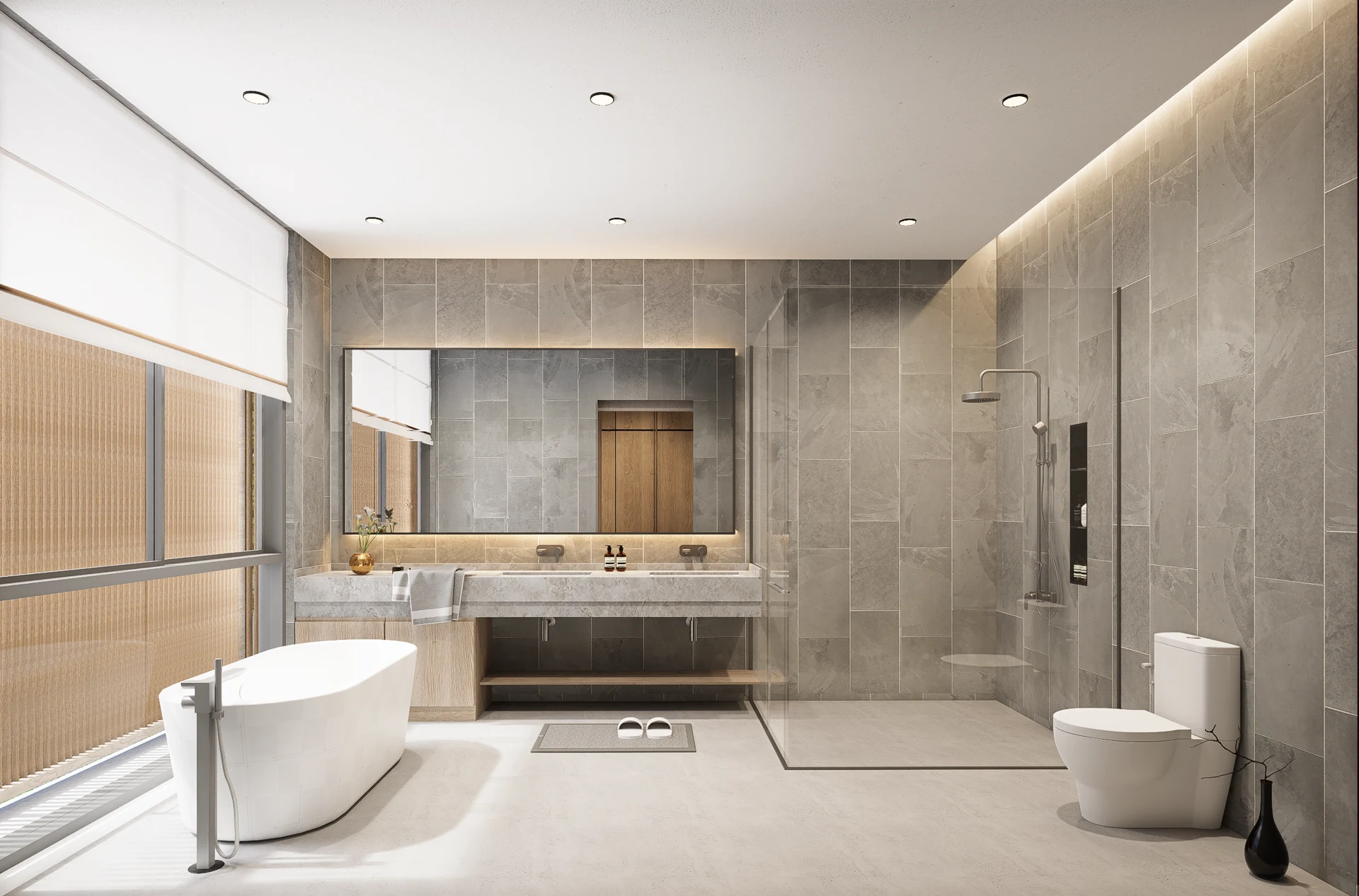
The room has already asked something of your body before you have had time to admire its mirror. You enter. You reach for the light. You turn to the basin and look for somewhere to put down what you are carrying. None of these movements sounds important enough for an architectural headline. Yet they are how an intimate room is used, sometimes several times a day. PRAWET's bathroom perspective offers a composed image with tall glazing, an exterior screen and a roller blind. To understand the room beyond that image, I would begin with the hand, not the reflection.
ก่อนจะทันชมกระจก ห้องน้ำก็ขอให้ร่างกายทำหลายอย่างแล้ว ก้าวเข้าไป เอื้อมหาสวิตช์ หันหาอ่างล้างหน้า แล้วหาที่วางของในมือ ไม่มีการเคลื่อนไหวไหนฟังดูสำคัญพอจะขึ้นเป็นพาดหัวงานสถาปัตยกรรม แต่เรากลับทำมันทุกวัน บางอย่างหลายครั้งต่อวัน ภาพห้องน้ำ PRAWET จัดองค์ประกอบไว้อย่างเรียบร้อย มีกระจกสูง ระแนงภายนอก และม่านม้วน ถ้าจะเข้าใจห้องให้ไกลกว่าภาพ ผมอยากเริ่มจากมือของคนใช้ก่อนเงาสะท้อนในกระจก
One can understand a bathroom's form in an instant and still know very little about what using it requires. The counter may look long, the mirror generous and the glazed opening beautifully proportioned. The body receives the room in another order. Before admiring its symmetry, someone has to turn, stand, set something down and reach the fittings. Each action uses distances that do not appear as emotional qualities in a render. This is not a request for technical language to replace design storytelling. The story itself becomes more precise when a room is considered from the position of the person who will use it repeatedly, not only from the position of the camera recording its surfaces.
เรามองรูปร่างห้องน้ำแล้วเข้าใจได้ในชั่วครู่ แต่ยังรู้น้อยมากว่าการใช้งานเรียกร้องอะไร เคาน์เตอร์อาจดูยาว กระจกเงาดูกว้าง และช่องกระจกสัดส่วนดี แต่ร่างกายรับห้องในลำดับอีกแบบ ก่อนชมความสมมาตร คนต้องหัน ยืน วางของ และเอื้อมถึงสุขภัณฑ์ การกระทำแต่ละอย่างใช้ระยะซึ่งไม่ปรากฏเป็นอารมณ์ใน Render นี่ไม่ได้หมายความว่าต้องเอาภาษาเทคนิคมาแทน Storytelling งานเขียนกลับแม่นขึ้นเมื่อเราพิจารณาห้องจากตำแหน่งของคนที่จะใช้มันซ้ำแล้วซ้ำเล่า ไม่ใช่ตำแหน่งกล้องที่บันทึกผิววัสดุ
There is a strange professional habit of describing rooms as though they were visited only by eyes. We photograph the shape of a basin, the line of a counter and the brightness of a window. Then a person enters with hands that must reach, feet that must stand and a body that may be wet, hurried or tired. The questions change immediately. Is there somewhere to set down what is being carried? Can the relevant controls be reached in the order the tasks require? Does the room impose unnecessary movements? None of these questions demands that architecture abandon beauty. They demand that beauty be considered alongside the actions through which the room will be encountered repeatedly.
วิชาชีพเรามีนิสัยประหลาดอยู่อย่างหนึ่ง คือชอบอธิบายห้องราวกับมีเพียงสายตาเข้าไปเยี่ยม เราถ่ายรูปทรงอ่าง เส้นเคาน์เตอร์ และความสว่างจากหน้าต่าง แล้วคนจริงก็เดินเข้ามาพร้อมมือที่ต้องเอื้อม เท้าที่ต้องยืน และร่างกายที่อาจเปียก รีบ หรือเหนื่อย คำถามเปลี่ยนไปทันที มีที่วางของในมือไหม ควบคุมอุปกรณ์ได้ตามลำดับกิจกรรมหรือเปล่า ห้องบังคับให้เคลื่อนไหวเกินจำเป็นแค่ไหน คำถามเหล่านี้ไม่ได้เรียกร้องให้สถาปัตยกรรมเลิกสวย แต่ให้ความงามถูกพิจารณาควบกับการกระทำที่คนจะใช้พบห้องซ้ำแล้วซ้ำเล่า
A large bathroom window is easy to praise from the outside. It contributes rhythm to the architecture and may give the room a generous relationship with daylight. From inside, the same opening occupies a much more complicated position. The body may be undressed. Hands may be wet. The person using the room might want some light without accepting an unwanted view in. Privacy has to work amid ordinary tasks, not merely in the diagram where the blind is shown. What can be reached, seen and adjusted matters as much as how elegant the window appears.
หน้าต่างห้องน้ำบานใหญ่ได้รับคำชมจากภายนอกได้ง่าย มันช่วยให้จังหวะของอาคารชัดและทำให้ห้องสัมพันธ์กับแสงธรรมชาติอย่างใจกว้าง แต่จากด้านใน ช่องเปิดเดียวกันกลับอยู่ในสถานการณ์ซับซ้อนกว่า ร่างกายอาจไม่ได้สวมเสื้อผ้า มืออาจเปียก และคนใช้ห้องอาจอยากได้แสงโดยไม่ต้องการให้ใครมองเข้ามา ความเป็นส่วนตัวจึงต้องทำงานท่ามกลางกิจวัตรจริง ไม่ใช่แค่อยู่บน Diagram ที่วาดม่านเอาไว้ สิ่งที่เอื้อมถึง มองเห็น และปรับได้สำคัญไม่แพ้หน้าตาของหน้าต่างที่ดูสง่างาม
The presence of a blind beside tall glazing raises a simple question of timing. Light may be welcome in one moment and exposure unwelcome in the next. If the control is within reach and easy to operate, the user may be able to change the room's condition without having to rearrange the rest of the space. If it is awkward or distant, the apparent choice becomes less useful. The rendering shows a proposed blind and exterior screen, not the measured height or operation of either. A bathroom design must connect the visual intention to hardware, user movement and the geometry of outside sightlines. Only then can words about controllable privacy carry technical weight.
การมีม่านข้างกระจกสูงทำให้เกิดคำถามธรรมดาเรื่องเวลา ขณะหนึ่งคนอาจอยากได้แสง อีกขณะอาจไม่อยากถูกมอง หากตัวควบคุมอยู่ในระยะและใช้สะดวก ผู้ใช้ก็ปรับสภาพห้องได้โดยไม่ต้องจัดทุกอย่างใหม่ แต่ถ้าไกลหรือใช้ยาก ทางเลือกที่เห็นในภาพก็มีค่าน้อยลง Render แสดงม่านกับระแนงภายนอกที่เสนอไว้ ไม่ได้วัดความสูงหรือการใช้งานจริงของสองอย่างนี้ การออกแบบห้องน้ำต้องโยงความตั้งใจทางภาพเข้ากับอุปกรณ์ การเคลื่อนไหว และแนวสายตาภายนอกเสียก่อน คำว่าควบคุมความเป็นส่วนตัวได้จึงจะมีน้ำหนักทางเทคนิค
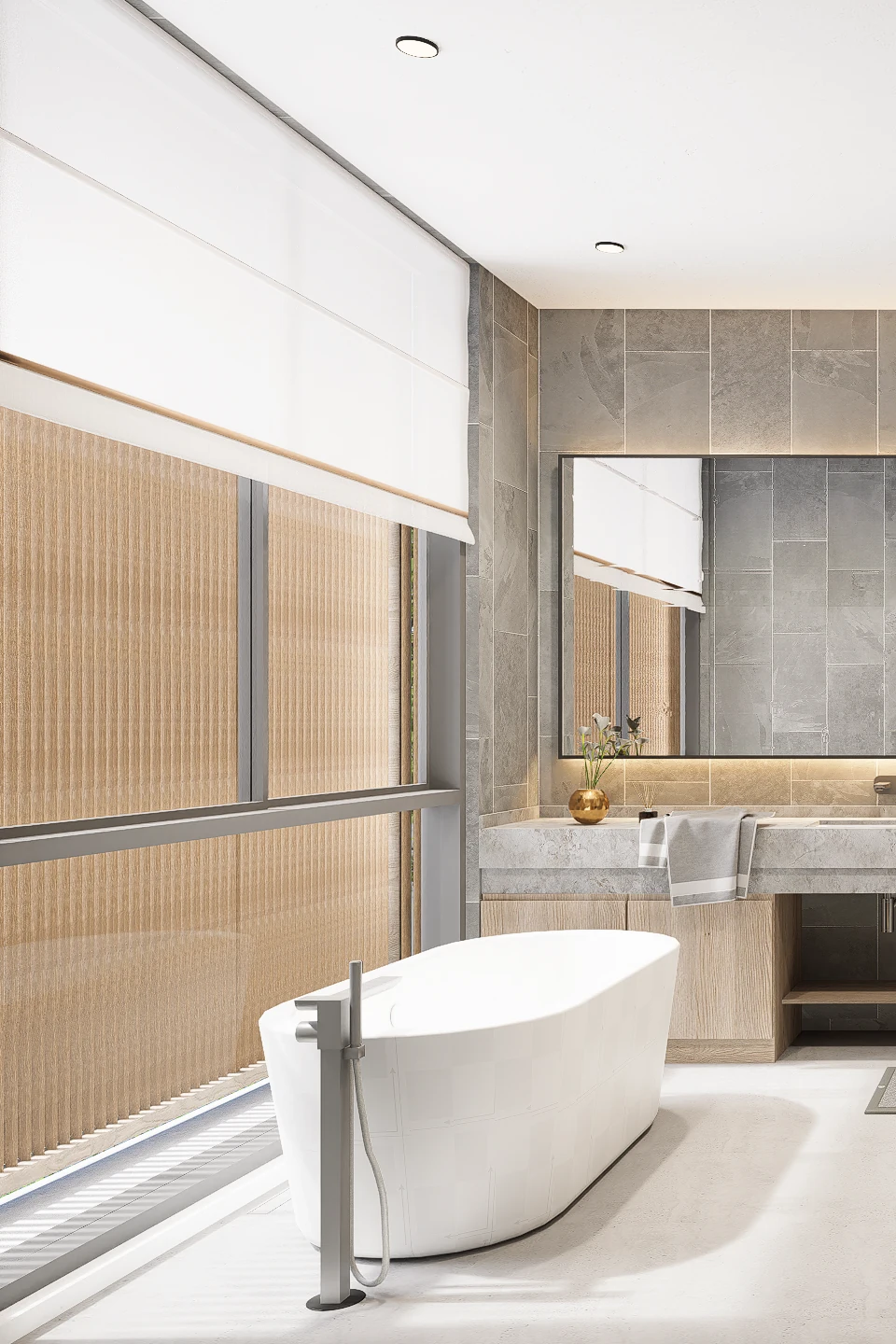
The bathroom view in PRAWET gives daylight a prominent role. Tall glazing sits beside the room's fittings, while an external screen and roller blind suggest further layers. The arrangement is visually compelling because light, enclosure and the possibility of an outlook are being considered together. But a bathroom has different stakes from a living room. A person cannot be expected to accept the same degree of exposure simply because the facade looks coherent from outside. The place where the body is most private is precisely where convenient control of the view matters. The opening's elegance must therefore be read against who can operate the blind, from where, and under what circumstances.
ภาพห้องน้ำ PRAWET ให้บทบาทกับแสงธรรมชาติเด่นมาก มีกระจกสูงอยู่ใกล้สุขภัณฑ์ พร้อมระแนงภายนอกและม่านม้วนเป็นชั้นเพิ่มเติม องค์ประกอบดูน่ามองเพราะแสง ขอบเขต และโอกาสมองออกไปถูกคิดร่วมกัน แต่ห้องน้ำมีเงื่อนไขต่างจากห้องนั่งเล่น เราไม่ควรคาดหวังให้คนยอมรับระดับการเปิดเผยเท่ากันเพียงเพราะรูปด้านดูลงตัวจากข้างนอก พื้นที่ที่ร่างกายต้องการความเป็นส่วนตัวมากคือจุดที่การควบคุมสายตาควรสะดวกที่สุด ความงามของหน้าต่างจึงต้องอ่านคู่กับคำถามว่าใครปรับม่านได้ จากตำแหน่งไหน และในเงื่อนไขใด
Detail crop from the same rendering
ภาพครอปจากภาพจำลองเดียวกัน
There are two versions of convenience worth separating. One is the convenience of describing a feature. The window has a blind, so the project description says it is controllable. The other is the convenience of actually using it. Where is the control? How much force or movement does it demand? Can it be operated at the moment when somebody needs it? The rendered perspective cannot answer those questions or establish compliance with accessibility and wet-area safety requirements. That is precisely why they should remain open as technical design checks instead of disappearing under the general phrase user friendly.
ความสะดวกมีสองชนิดที่ควรแยกกัน อย่างแรกคือสะดวกในการอธิบายแบบ เราบอกว่าหน้าต่างมีม่าน จึงเขียนต่อได้ง่ายว่าควบคุมได้ อีกชนิดคือความสะดวกเมื่อใช้จริง ตัวควบคุมอยู่ไหน ต้องออกแรงหรือเคลื่อนไหวแค่ไหน คนใช้ปรับได้ในวินาทีที่ต้องการหรือเปล่า ภาพ Perspective ไม่ได้ตอบเรื่องเหล่านี้ และไม่ได้ยืนยันการผ่านข้อกำหนดการเข้าถึงหรือความปลอดภัยของพื้นที่เปียก นี่เองที่ทำให้คำถามควรอยู่ต่อในรายการตรวจแบบรายละเอียด แทนที่จะหายไปหลังคำว่าใช้งานสะดวกซึ่งฟังแล้วเหมือนทุกอย่างเรียบร้อย
The difference between having a control and being able to use it is familiar from everyday objects. A button placed at an inconvenient height still exists. A surface too far from the basin may still look like storage in a drawing. In the bathroom, such small mismatches matter because the hands may be wet, the person may be tired and the tasks involve bodily privacy. It would be irresponsible to use these examples to accuse PRAWET of deficiencies we have not measured. They establish a method for checking detail. Begin with the necessary action, locate the body when that action occurs and ask what movement the design requires. A composed elevation is only one part of the answer.
ความต่างระหว่างมีอุปกรณ์กับใช้อุปกรณ์นั้นได้สะดวกพบอยู่ในของทั่วไป ปุ่มที่อยู่สูงเกินไปก็ยังเป็นปุ่ม พื้นผิวที่อยู่ไกลจากอ่างเกินไปยังอาจถูกวาดเป็นที่วางของ ในห้องน้ำ ความไม่พอดีเล็ก ๆ สำคัญเพราะมืออาจเปียก คนอาจเหนื่อย และกิจกรรมเกี่ยวข้องกับร่างกายที่ต้องการ Privacy การนำตัวอย่างเหล่านี้ไปกล่าวหา PRAWET ว่ามีข้อบกพร่องทั้งที่ยังไม่วัดถือว่าไม่รับผิดชอบ สิ่งที่ได้คือวิธีตรวจรายละเอียด เริ่มจากกิจกรรมจำเป็น ดูตำแหน่งร่างกายขณะทำ แล้วถามว่าแบบเรียกร้องการเคลื่อนไหวอะไร รูปด้านที่สวยเป็นเพียงส่วนหนึ่งของคำตอบ
A control can be present without being usable in the moment it is needed. A switch shown on a drawing may be too far from the task it governs. A blind may be technically operable yet uncomfortable to handle with damp hands or limited mobility. These possibilities need to be tested, not presumed. The renderings of PRAWET do not establish exact reach ranges or mechanism specifications. That is an important distinction because the phrase user friendly is easily attached to almost any smooth-looking interior. A more responsible assessment would examine the body in relation to actual heights, distances, forces and a sequence of activities. The values must come from verified requirements and actual detail, not from visual intuition.
อุปกรณ์ควบคุมอาจมีอยู่แต่ใช้ไม่สะดวกในวินาทีที่ต้องการ สวิตช์บนแบบอาจอยู่ไกลจากสิ่งที่มันควบคุม ม่านอาจเปิดปิดได้ในทางกลไก แต่ใช้ลำบากเมื่อมือเปียกหรือร่างกายเคลื่อนไหวไม่คล่อง ความเป็นไปได้เหล่านี้ต้องทดสอบ ไม่ใช่สมมติ ภาพ PRAWET ไม่ได้ยืนยันระยะเอื้อมและสเปกอุปกรณ์ที่แม่นยำ เรื่องนี้สำคัญเพราะคำว่าใช้งานง่ายถูกติดให้ภายในที่หน้าตาเรียบสวยได้ง่ายเกินไป การประเมินที่รับผิดชอบกว่าควรดูร่างกายกับความสูง ระยะ แรงที่ต้องใช้ และลำดับกิจกรรมจริง โดยใช้ข้อกำหนดและรายละเอียดที่ตรวจสอบได้ ไม่ใช่ดูจากความรู้สึกของภาพ
Small inconveniences are deceptive because people learn to compensate for them. A towel is a little too far away, so the person steps sideways. A surface has nowhere useful to hold a small object, so it is balanced elsewhere. A control is awkward, so it is left in the same position longer than intended. Each adjustment appears minor. Repeated across weeks, the room teaches the body a routine of unnecessary accommodation. I cannot say that these problems occur at PRAWET. The images do not establish that. They are examples of what bodily review must look for rather than assume away.
ความลำบากเล็ก ๆ หลอกเราได้ เพราะคนมักปรับตัวจนทำมันเป็นนิสัย ผ้าขนหนูอยู่ไกลไปหน่อยก็เดินเอียงไปอีกก้าว ไม่มีที่วางของชิ้นเล็กก็หามุมอื่นรองไว้ ตัวควบคุมที่ใช้ยากอาจถูกทิ้งไว้ในตำแหน่งเดิมนานกว่าที่ตั้งใจ แต่ละครั้งดูไม่มีอะไร ทว่าเมื่อเกิดซ้ำเป็นสัปดาห์ ห้องกำลังสอนให้ร่างกายต้องฝืนเพิ่มโดยไม่จำเป็น ผมไม่ได้บอกว่าปัญหาเหล่านี้เกิดขึ้นจริงที่ PRAWET เพราะภาพไม่ได้ยืนยัน นี่เป็นตัวอย่างของสิ่งที่การตรวจแบบโดยคำนึงถึงร่างกายควรค้นหา ไม่ใช่สิ่งที่จะสมมติว่าแก้ได้แล้ว
A single measurement is rarely sufficient to describe comfort for every body. Reach can vary with stature, age, mobility and the way an object is being held. Someone with both hands free meets a control differently from someone carrying a towel or supporting themselves. These are general design considerations, not facts about this household's members. They also show why a highly controlled visual composition should not be mistaken for universal usability. The practical task is to check the intended users and appropriate standards, then coordinate heights, clearances and support where needed. A space can preserve its architectural character while making these adjustments. The identity of the room need not depend on making ordinary tasks needlessly demanding.
ระยะวัดค่าเดียวไม่พออธิบายความสบายของทุกร่างกาย การเอื้อมเปลี่ยนตามส่วนสูง อายุ ความคล่องตัว และสิ่งที่ถืออยู่ คนมือว่างสองข้างใช้ตัวควบคุมต่างจากคนที่ถือผ้าหรือกำลังพยุงตัว นี่เป็นเงื่อนไขทั่วไปของการออกแบบ ไม่ใช่ข้อมูลสมาชิกในบ้านหลังนี้ และแสดงว่าภาพที่ควบคุมองค์ประกอบดีไม่ได้แปลว่าใช้ได้สะดวกสำหรับทุกคน หน้าที่จริงคือพิจารณาผู้ใช้ที่ตั้งใจและมาตรฐานที่เหมาะสม แล้วประสานความสูง ระยะว่าง และสิ่งช่วยพยุงตามความจำเป็น ห้องยังรักษาบุคลิกทางสถาปัตยกรรมได้เมื่อปรับเรื่องเหล่านี้ ตัวตนของห้องไม่ควรตั้งอยู่บนการทำให้กิจกรรมธรรมดายากโดยไม่จำเป็น
A wet room has obligations that cannot be settled through editorial description. Slip resistance, drainage, electrical separation, ventilation, waterproofing and maintenance access require technical decisions and appropriate review. They do not become compliant because a photograph looks calm. Nor should an architectural essay announce a defect on the basis of a rendering that does not reveal these specifications. The useful role of storytelling is to keep the body present in the reader's understanding of the design. A person looking at the bathroom should be able to ask both what the room allows them to see and what it asks them to do. The latter questions belong to drawings, material selections and professional checks.
ห้องเปียกมีหน้าที่ที่บทความบรรณาธิการตัดสินแทนไม่ได้ ทั้งความลื่น การระบายน้ำ การแยกระบบไฟฟ้า การระบายอากาศ กันซึม และทางเข้าดูแลล้วนต้องมีการตัดสินใจทางเทคนิคและการตรวจที่เหมาะสม ภาพสงบไม่ได้ทำให้ผ่านมาตรฐาน และเราก็ไม่ควรประกาศว่ามีข้อบกพร่องจาก Render ที่ไม่แสดงสเปกเหล่านั้น หน้าที่ของเรื่องเล่าคือทำให้ร่างกายยังอยู่ในการทำความเข้าใจงาน คนที่ดูภาพห้องน้ำควรถามได้ทั้งห้องให้มองเห็นอะไร และห้องขอให้เราทำอะไร ส่วนคำตอบทางเทคนิคต้องกลับไปหาแบบ วัสดุที่เลือก และการตรวจโดยผู้รับผิดชอบ
In a wet room, some design claims have consequences too serious to be left to adjectives. Slip resistance depends on a specified and installed surface, not how matte or calm it looks in a perspective. Drainage must be made to work with actual levels. Electrical equipment, waterproofing, ventilation and cleaning access have requirements that need qualified review. The manuscript is not a technical signoff, and it is not evidence of a known failure. It should allow the reader to understand that design intent and verified performance are different stages. The intimate scale of the room makes this distinction more, not less, important. Small spaces offer little room for a problem to remain abstract.
ในพื้นที่เปียก ข้ออ้างบางอย่างมีผลหนักเกินกว่าจะปล่อยให้คำคุณศัพท์ตอบ ความกันลื่นขึ้นกับผิวที่ระบุและติดตั้งจริง ไม่ใช่ว่ามันดูด้านและสงบในภาพ การระบายน้ำต้องทำงานกับระดับพื้นจริง อุปกรณ์ไฟฟ้า กันซึม การระบายอากาศ และทางทำความสะอาดมีข้อกำหนดที่ต้องให้ผู้รับผิดชอบตรวจ บทความไม่ใช่การเซ็นรับรองเทคนิค และก็ไม่ใช่หลักฐานว่ามีความผิดพลาดเกิดขึ้น ควรทำให้ผู้อ่านเข้าใจว่าความตั้งใจในแบบกับสมรรถนะที่ยืนยันได้เป็นคนละขั้นตอน สเกลใกล้ตัวของห้องยิ่งทำให้ความต่างนี้สำคัญ เพราะในพื้นที่เล็ก ปัญหาที่ดูเป็นนามธรรมสามารถมาอยู่กับร่างกายได้ทันที
Detail crop from the same rendering
ภาพครอปจากภาพจำลองเดียวกัน
Time can make an otherwise acceptable detail feel different. A tired person has less patience for a complicated operation. Somebody carrying an object uses their hands differently from somebody with both hands free. An older visitor may have needs that the most typical figure in a rendering does not represent. These differences do not mean every bathroom must look like a medical facility. They mean that a room made for daily life should not demand ideal physical conditions from everyone who enters. The design conversation can begin with something as unheroic as the reach to a tap.
เวลายังเปลี่ยนความรู้สึกต่อรายละเอียดเดิมได้ คนที่เหนื่อยมีความอดทนต่อกลไกยุ่งยากน้อยลง คนถือของใช้มือไม่เหมือนคนที่มือว่างทั้งสองข้าง ผู้มาเยือนที่อายุมากอาจมีข้อจำกัดซึ่งหุ่นคนมาตรฐานในภาพไม่แสดง ความต่างเหล่านี้ไม่ได้แปลว่าห้องน้ำทุกห้องต้องหน้าตาเหมือนสถานพยาบาล แต่หมายถึงพื้นที่ที่ใช้ทุกวันไม่ควรเรียกร้องให้ทุกคนอยู่ในสภาพร่างกายสมบูรณ์แบบเสมอ บทสนทนาเรื่องออกแบบอาจเริ่มจากเรื่องไม่ยิ่งใหญ่อย่างระยะเอื้อมถึงก๊อกน้ำก็ได้
There is a quieter issue behind the repeated small inconvenience. When a person has to lean a little too far or rearrange objects before reaching something, the compensation can become so habitual that nobody reports it as a problem. A room might work in the sense that tasks are possible while failing in the more generous sense of not placing avoidable effort on the body. This is not a claim about a completed PRAWET bathroom. It is a criterion for design review, particularly when people of different ages, statures or abilities may use the same space. An image tends to show the room at its most composed. The person inhabiting it experiences all the necessary adjustments between those composed moments.
ยังมีเรื่องเงียบกว่านั้นอยู่หลังความไม่สะดวกเล็ก ๆ ที่เกิดซ้ำ เมื่อคนต้องเอื้อมไกลไปนิด หรือย้ายของก่อนจะหยิบอีกสิ่ง การชดเชยท่าทางอาจกลายเป็นนิสัยจนไม่มีใครรายงานว่าเป็นปัญหา ห้องอาจใช้งานได้ในความหมายว่าเราทำกิจกรรมสำเร็จ แต่ไม่ใจกว้างพอที่จะลดแรงที่เลี่ยงได้ นี่ไม่ใช่คำอ้างว่าห้องน้ำ PRAWET ที่เสร็จแล้วมีปัญหา แต่เป็นเกณฑ์ตรวจแบบ โดยเฉพาะเมื่อคนอายุต่าง ส่วนสูงต่าง หรือมีข้อจำกัดร่างกายต่างกันอาจใช้พื้นที่เดียวกัน ภาพชอบแสดงห้องในวินาทีที่เรียบร้อยที่สุด ส่วนคนใช้จริงพบการปรับตัวระหว่างวินาทีเหล่านั้นทุกวัน
An inconvenience does not always announce itself as one. People learn to reach around a poorly placed object, make room by shifting their weight or avoid using a feature because it requires an awkward movement. Eventually the compensation becomes routine. That does not mean we should regard every small adjustment as unacceptable. Houses cannot be perfectly adapted to every possible action. It means the designer should distinguish normal choice from work that the space unnecessarily imposes. The most revealing test of a bathroom is often the action repeated without comment. If the same movement could be simpler through a different placement, that possibility deserves attention before the room's photograph is declared final.
ความลำบากไม่ได้ประกาศตัวทุกครั้ง คนอาจเรียนรู้ที่จะเอื้อมอ้อมของที่วางผิดตำแหน่ง ถ่ายน้ำหนักเพื่อหลบอะไรบางอย่าง หรือเลิกใช้อุปกรณ์ที่ต้องฝืนท่า จนการชดเชยกลายเป็นกิจวัตร ไม่ได้หมายความว่าการปรับตัวเล็ก ๆ ทุกชนิดผิด บ้านไม่อาจพอดีกับทุกการเคลื่อนไหวที่เป็นไปได้ แต่ผู้ออกแบบควรแยกสิ่งที่คนเลือกทำตามปกติออกจากแรงที่พื้นที่เรียกร้องโดยไม่จำเป็น บททดสอบที่เผยความจริงของห้องน้ำมักเป็นกิจกรรมที่ทำซ้ำโดยไม่มีใครพูดถึง หากการจัดตำแหน่งอีกแบบทำให้การกระทำนั้นง่ายขึ้น ก็ควรพิจารณาก่อนประกาศว่าภาพห้องจบแล้ว
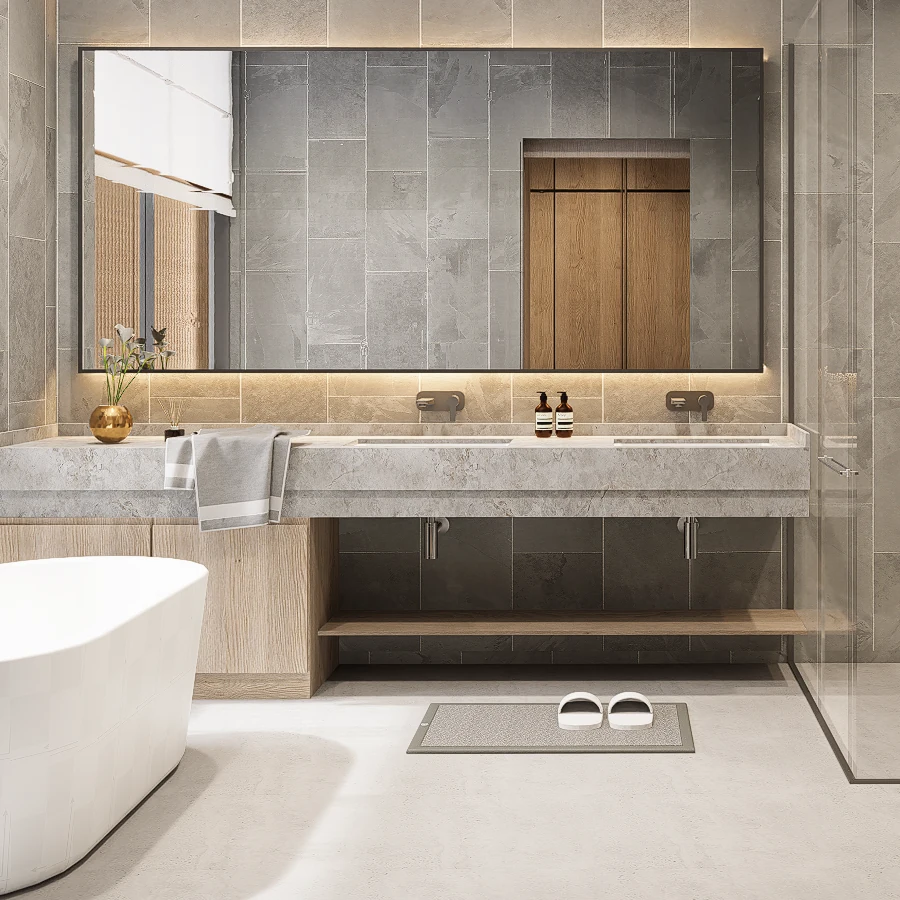
The mirror introduces another small irony. It is a device for checking how we appear, yet the room in which it stands is one of the places where we ought to be least required to perform for an audience. The screen and blind suggest a layered relationship to outside eyes, but the purpose is not to turn all hours into darkness. It is to make visibility something a person can negotiate. This connects the bathroom to the larger privacy brief without making every room a copy of the same solution. The street-facing bedroom, inward courtyard and screened bathroom do not have identical needs.
กระจกเงายังมีความย้อนแย้งเล็ก ๆ มันใช้ตรวจว่าเรามีหน้าตาอย่างไรต่อสายตาคนอื่น แต่ห้องที่ติดกระจกกลับควรเป็นที่ที่เราไม่ต้องแสดงตัวต่อผู้ชมมากที่สุดแห่งหนึ่ง ระแนงและม่านแสดงเจตนาการกรองสายตาหลายชั้น แต่ไม่ได้แปลว่าต้องทำให้ห้องมืดตลอดเวลา เพียงเปิดทางให้คนใช้ต่อรองการมองเห็นของตัวเองได้ เรื่องนี้เชื่อมกับโจทย์ความเป็นส่วนตัวของบ้านทั้งหลังโดยไม่จำเป็นต้องทำให้ทุกห้องแก้แบบเดียวกัน ห้องนอนหน้าบ้าน คอร์ตภายใน และห้องน้ำที่มีชั้นกรองสายตา ต่างมีเงื่อนไขเฉพาะของตัวเอง
It is worth resisting another simplification. Designing for different bodies does not automatically require an institutional appearance, and restrained interiors are not inherently difficult to use. The question concerns how decisions about clearances, support, controls, reachable storage and safe surfaces are integrated with the design language. Some requirements may conflict with a perfectly symmetrical elevation or a desired visual proportion. When they do, the conflict should be recognised early instead of hidden beneath a claim of timeless elegance. The needs of real users are not an interruption to design. They help determine whether the design has been considered seriously enough.
เราควรเลี่ยงความเข้าใจง่ายเกินไปอีกอย่าง การออกแบบให้ร่างกายต่างแบบใช้งานได้ไม่ได้แปลว่าห้องต้องหน้าตาเหมือนสถานพยาบาล และภายในที่เรียบก็ไม่ได้ใช้งานยากโดยธรรมชาติ คำถามอยู่ที่การนำระยะว่าง จุดช่วยพยุง อุปกรณ์ควบคุม ที่เก็บของในระยะเอื้อม และพื้นผิวที่ปลอดภัยเข้าไปร่วมกับภาษาของแบบอย่างไร ความต้องการบางอย่างอาจขัดกับความสมมาตรในรูปด้านหรือสัดส่วนที่อยากได้ เมื่อขัดกันควรยอมรับตั้งแต่ต้น แทนที่จะซ่อนใต้คำว่าความงามเหนือกาลเวลา ความต้องการของคนจริงไม่ได้เข้ามารบกวนการออกแบบ แต่มาช่วยกำหนดว่าแบบถูกคิดอย่างจริงจังเพียงใด
There is no need to choose between a clinical room and a photogenic room as though the two exhausted the possibilities. A bathroom can have a particular material character and still be assessed for reach, circulation, control and safe upkeep. The difficulty is that those criteria may sometimes ask for a different proportion or the addition of something the visual composition did not originally welcome. Such conflicts should be made explicit, not renamed as a seamless design. The writer's role is to identify the human and architectural reasons for the decision while leaving compliance to the relevant evidence. This makes PRAWET's interest in light and privacy more credible because it also asks what the body must do to enjoy them.
ไม่จำเป็นต้องเลือกระหว่างห้องที่ดูเหมือนสถานพยาบาลกับห้องที่ถ่ายรูปสวย ราวกับมีได้เพียงสองทาง ห้องน้ำมีบุคลิกวัสดุเฉพาะได้พร้อมกับถูกตรวจเรื่องระยะเอื้อม ทางเดิน การควบคุม และการดูแลปลอดภัย ความยากคือเกณฑ์เหล่านี้อาจขอให้เปลี่ยนสัดส่วนหรือเพิ่มบางอย่างที่องค์ประกอบภาพเดิมไม่อยากรับ ความขัดแย้งควรถูกพูดให้ชัด ไม่ใช่เปลี่ยนชื่อเป็นการออกแบบที่ลงตัวไร้รอยต่อ หน้าที่คนเขียนคือบอกเหตุผลของคนกับพื้นที่ในคำตัดสิน โดยให้หลักฐานที่เหมาะสมรับรองเรื่องมาตรฐาน สิ่งนี้ทำให้ความสนใจเรื่องแสงและ Privacy ของ PRAWET น่าเชื่อถือกว่าเดิม เพราะถามด้วยว่าร่างกายต้องทำอะไรเพื่อใช้สิ่งเหล่านั้น
In the end, a bathroom rarely offers a great performance. Someone turns off the water, puts a thing back and leaves. The window will still form part of the architecture after that person has gone. But for the few minutes they were there, the room was judged by a set of small movements no elevation could quite explain. That seems an appropriately demanding standard for a place used so intimately.
สุดท้ายห้องน้ำแทบไม่เคยมีเหตุการณ์ยิ่งใหญ่ คนคนหนึ่งปิดน้ำ วางของคืน แล้วเดินออกไป หน้าต่างยังเป็นส่วนหนึ่งของสถาปัตยกรรมหลังจากเขาไปแล้ว แต่ในเวลาไม่กี่นาทีที่ใช้งาน ห้องถูกตัดสินผ่านการเคลื่อนไหวเล็ก ๆ ซึ่งรูปด้านอธิบายแทนได้ไม่หมด สำหรับพื้นที่ที่ร่างกายต้องใช้ใกล้ชิดขนาดนี้ ผมว่ามันเป็นมาตรฐานที่ควรเรียกร้องจริง ๆ
The mirror itself offers a final contradiction. It helps a person prepare to be seen by others. Yet the room surrounding that mirror ought to allow the same person a period in which no outside audience is required. The screen and blind suggest that such a negotiation was part of the design thinking, but their actual performance still depends on the installed details and the surrounding sightlines. This is a particularly intimate version of PRAWET's wider question about how much to open and who may look in. At the scale of a bathroom, the matter is no longer a grand statement about transparency. It can be as simple as whether someone can make the next small movement privately and without difficulty.
กระจกเงามีความย้อนแย้งตอนท้าย มันช่วยให้คนเตรียมตัวว่าจะปรากฏต่อสายตาคนอื่นอย่างไร แต่ห้องรอบกระจกควรยอมให้คนคนเดียวกันมีช่วงเวลาที่ไม่ต้องมีผู้ชมภายนอก ระแนงกับม่านบอกว่าการต่อรองเรื่องสายตาเป็นส่วนหนึ่งของความคิดออกแบบ แต่การทำงานจริงยังขึ้นกับรายละเอียดที่ติดตั้งและแนวสายตารอบห้อง นี่คือโจทย์ใหญ่เรื่องเปิดมากแค่ไหนและให้ใครมองเข้ามาได้ของ PRAWET ในสเกลที่ใกล้ชิดร่างกายที่สุด พอมาถึงห้องน้ำ มันไม่ใช่คำประกาศยิ่งใหญ่เรื่องความโปร่งใสแล้ว อาจเหลือเพียงคนคนหนึ่งสามารถทำการเคลื่อนไหวเล็ก ๆ ต่อไปได้อย่างเป็นส่วนตัวและไม่ลำบากหรือเปล่า
When the room is reduced to a single photograph, the mirror and the tall window will probably win the reader's attention. The actual user may register something quite different. A towel within reach, a control that responds without effort or a safe place to set an object can matter greatly while attracting no comment at all. The project brief does not document these details as built performance, so the essay cannot celebrate them as accomplished facts. They remain the right kind of questions to take into drawings and review. The bathroom is where the larger argument about controlling openness returns to a very small movement, made by a person who should not need to explain it to an audience.
เมื่อห้องถูกย่อเหลือภาพเดียว กระจกเงากับหน้าต่างสูงคงชนะความสนใจของคนดู แต่คนใช้จริงอาจให้ความสำคัญกับอย่างอื่น ผ้าขนหนูที่เอื้อมถึง ตัวควบคุมที่ตอบสนองง่าย หรือที่วางของปลอดภัยอาจมีค่ามากทั้งที่ไม่มีใครกล่าวถึง เอกสารโครงการไม่ได้บันทึกว่าสิ่งเหล่านี้ผ่านการใช้งานจริงแล้ว บทความจึงไม่ควรชมเป็นผลสำเร็จ แต่เป็นคำถามที่เหมาะจะนำไปตรวจแบบและรายละเอียด ห้องน้ำทำให้ข้อคิดใหญ่เรื่องการเลือกเปิดรับสายตากลับมาเป็นการเคลื่อนไหวเล็กมากของคนคนหนึ่ง ซึ่งไม่ควรต้องอธิบายต่อผู้ชมภายนอก
PROJECT CREDIT
Design Direction NATTHA / Natthapon Khemmueang
Design Development & Project Delivery Piaoform Studio