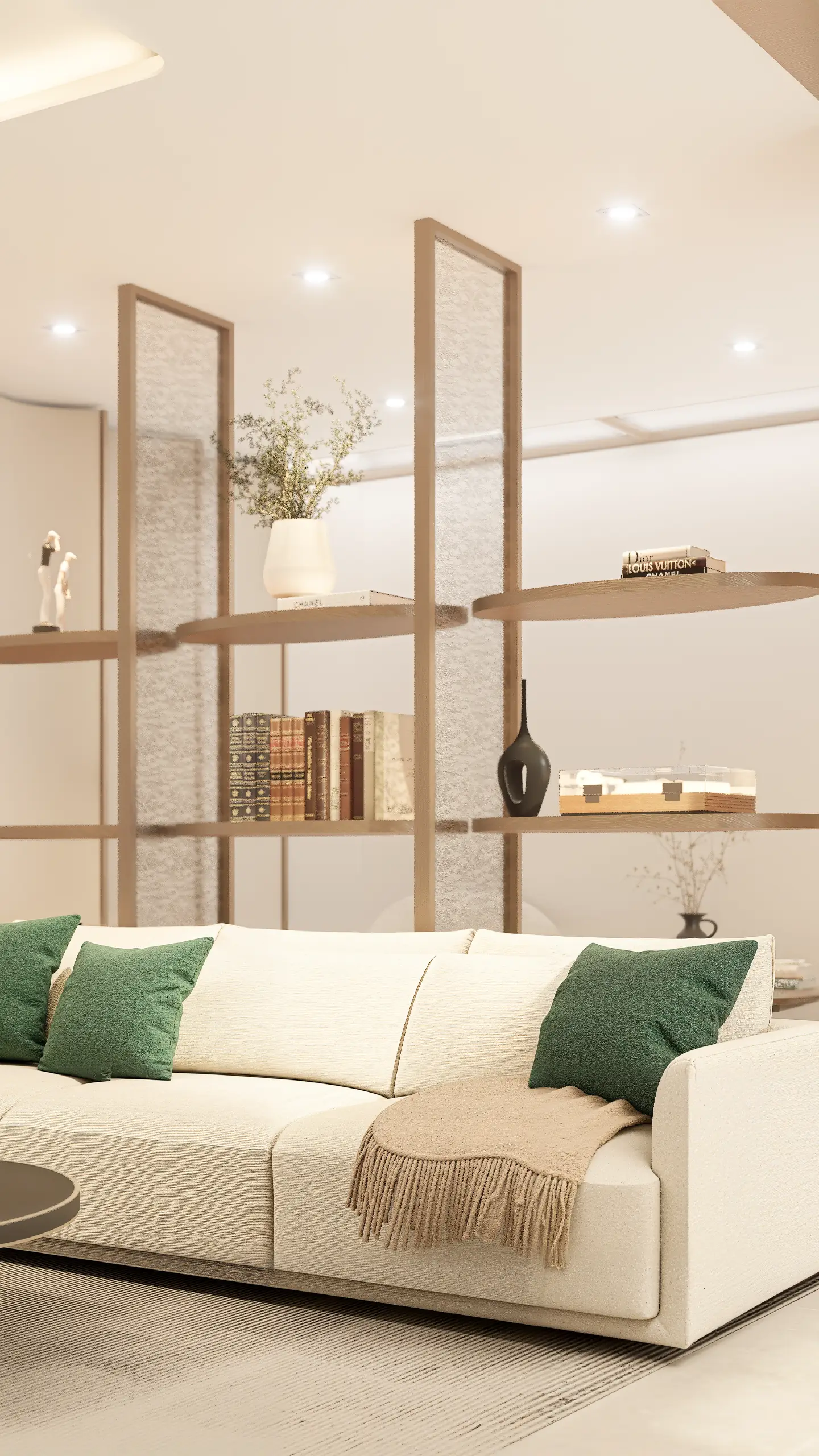
Working with What Is Thereบ้านเดิมไม่ใช่กระดาษเปล่า
Written by NATTHA / Natthapon Khemmueang
An unmarked sheet offers an appealing kind of freedom. Lines can move before anything has been built. An existing building is less accommodating. A wall, a level or a structural position remains a particular thing to investigate, however readily the drawing can be changed.
กระดาษที่ยังไม่มีเส้นให้อิสระน่าดึงดูด เส้นขยับไปมาได้ก่อนจะมีอะไรสร้างขึ้นจริง อาคารเดิมยอมตามน้อยกว่านั้น ผนัง ระดับ หรือจุดที่โครงสร้างตั้งอยู่ยังเป็นสิ่งที่ต้องกลับไปตรวจ ต่อให้แก้เส้นในแบบได้ง่ายเพียงใด
The NONG CHOM drawing makes that distinction visible. Pink hatching identifies existing building areas. Other symbols indicate new columns. The perspectives gather the proposal into one image, while the drawing preserves the distinction between parts with different roles in the work.
แบบของ NONG CHOM ทำให้ความแตกต่างนี้มองเห็นได้ ลายเส้นสีชมพูระบุพื้นที่อาคารเดิม อีกสัญลักษณ์บอกเสาใหม่ ภาพ Perspective รวบข้อเสนอออกมาเป็นภาพเดียว ส่วนแบบยังเก็บความแตกต่างของส่วนที่มีบทบาทในงานไม่เหมือนกันเอาไว้
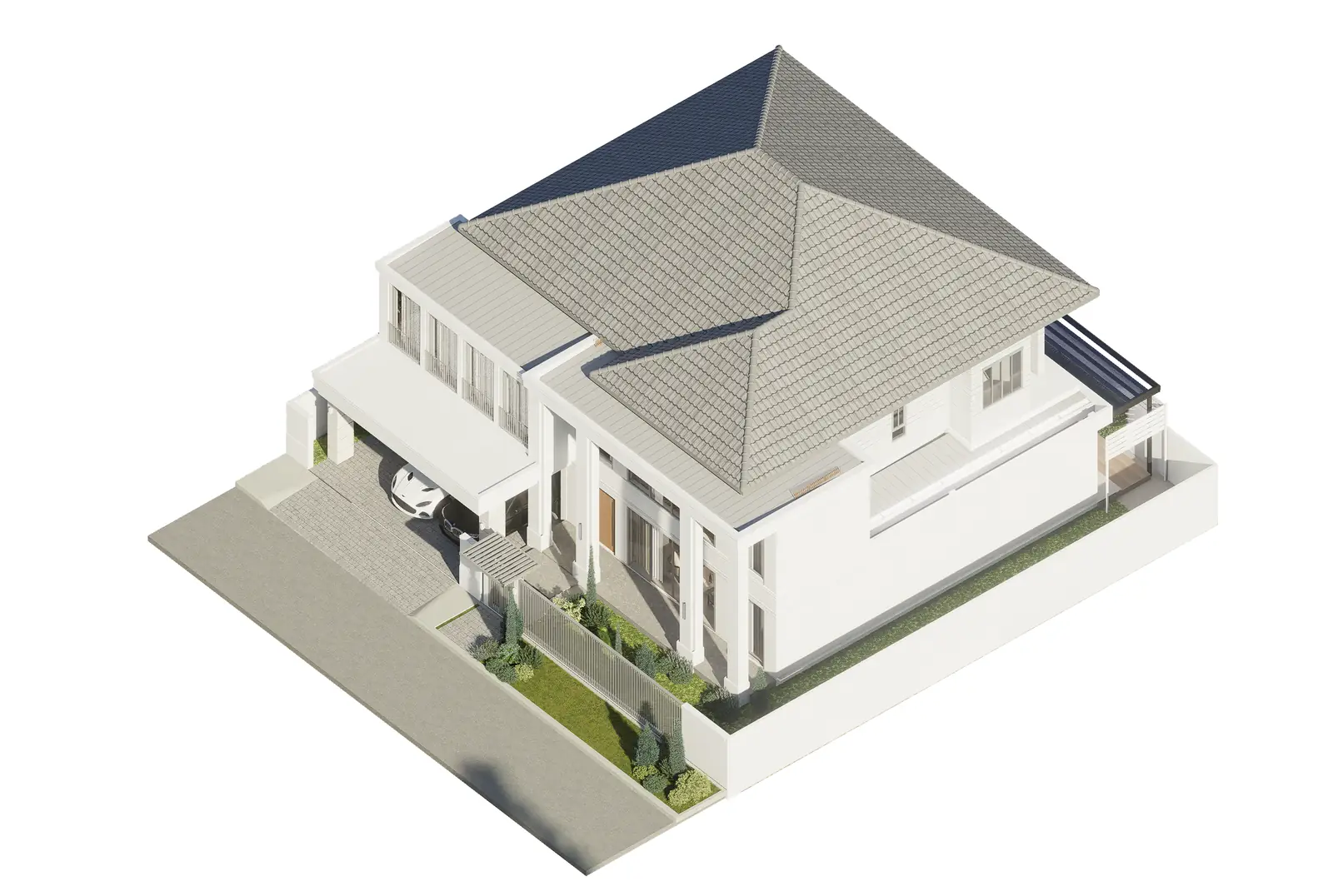
The word new becomes less straightforward in a project like this. It need not mean that every visible part has just been made. A different arrangement can give familiar elements a different place in the whole. That possibility interests me more than a simple count of what has been kept and what has been removed.
คำว่าใหม่จึงมีความหมายละเอียดขึ้นในงานลักษณะนี้ มันไม่จำเป็นต้องหมายความว่าทุกส่วนที่มองเห็นเพิ่งถูกทำขึ้นมา การจัดวางอีกแบบอาจให้ที่ทางใหม่แก่สิ่งที่คุ้นตา ความเป็นไปได้นี้น่าสนใจสำหรับผม มากกว่าการนับเพียงว่าเก็บอะไรไว้และรื้ออะไรออก
Consider a hypothetical wall that stays where it is while the approach to the room changes. Enter from the other side and the same wall might become a backdrop instead of the first thing encountered. Even without moving, it could take on a different visual role. Moving an object and changing its place in the reading of a room are different kinds of work.
ลองนึกถึงกรณีสมมติ ผนังแนวหนึ่งยังอยู่ที่เดิม แต่ทางเข้าถึงห้องเปลี่ยนไป เมื่อเข้าจากอีกด้าน ผนังเดิมอาจกลายเป็นฉากหลัง แทนที่จะเป็นสิ่งแรกที่เจอ แม้ไม่มีอะไรขยับ ผนังผืนนั้นก็มีหน้าที่ใหม่ในสายตาได้ การย้ายของกับการเปลี่ยนบทบาทของมันในห้องจึงเป็นงานคนละอย่าง
In NONG CHOM, the perspectives give us a sequence of related but unequal spaces. The hall rises above grouped seating. The adjacent sofa area sits under a lower ceiling. Open shelving lets the kitchen remain partly in view. Whatever the construction history of each element, their relationship is available to examine in the proposal.
สำหรับ NONG CHOM ภาพให้เห็นพื้นที่ที่เกี่ยวเนื่องกันแต่ไม่ได้มีขนาดเท่ากัน โถงสูงอยู่เหนือกลุ่มที่นั่ง บริเวณโซฟาข้างกันอยู่ใต้เพดานที่ต่ำกว่า ชั้นโปร่งยังมองผ่านไปถึงครัวได้ ไม่ว่าชิ้นส่วนแต่ละชิ้นจะมีประวัติการก่อสร้างอย่างไร ความสัมพันธ์ของมันเป็นสิ่งที่เราพิจารณาได้จากข้อเสนอชุดนี้
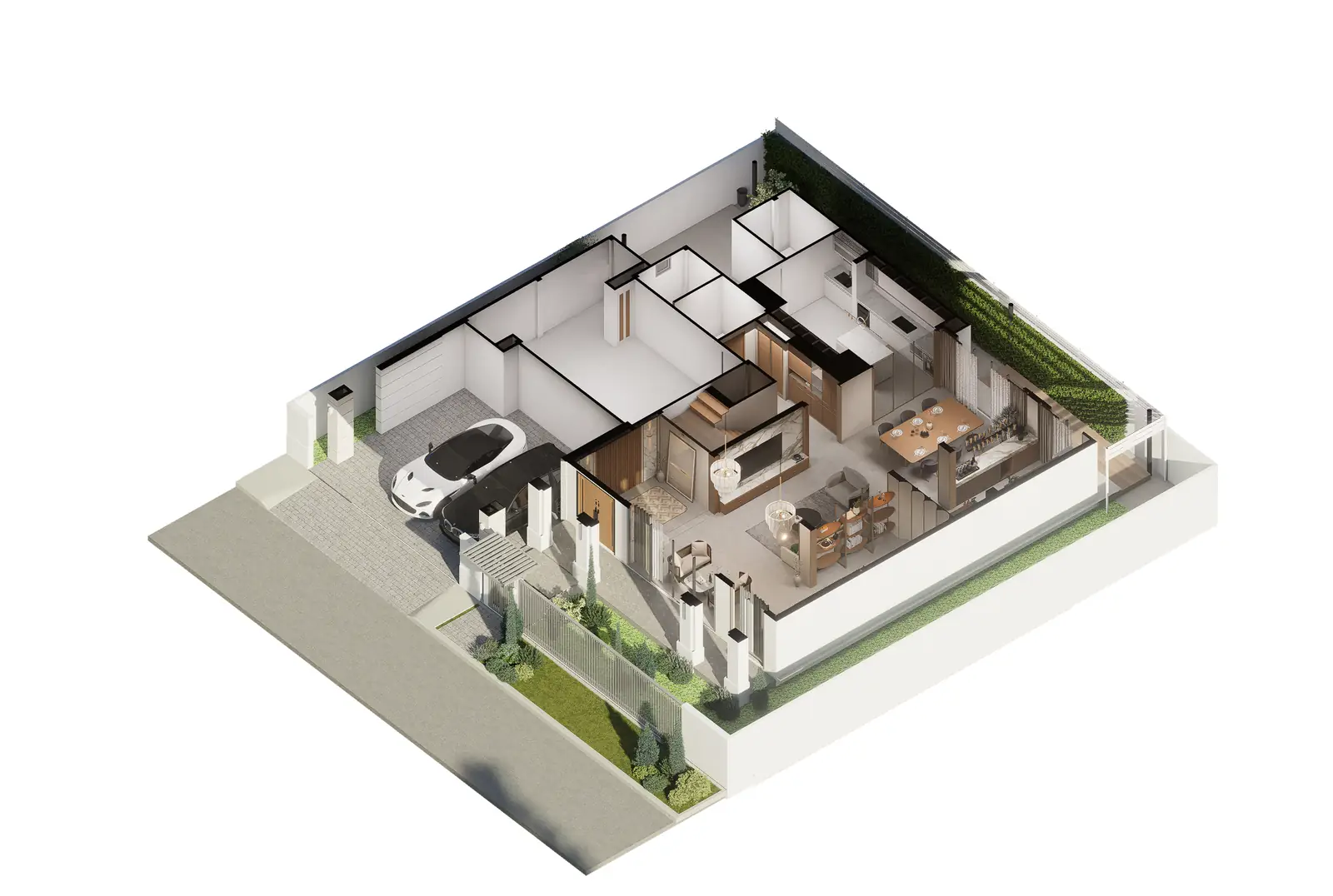
There is no need to make every old element sentimental. Calling a wall a memory before knowing its story can be as careless as treating it as an obstacle before understanding its purpose. Both are ways of making the building agree with a story we already prefer.
ไม่จำเป็นต้องทำให้ของเก่าทุกชิ้นซาบซึ้ง การเรียกผนังว่าความทรงจำก่อนรู้เรื่องของมัน อาจด่วนสรุปพอ ๆ กับการมองว่ามันเป็นอุปสรรคก่อนเข้าใจหน้าที่ ทั้งสองอย่างคือการพยายามให้อาคารเห็นด้วยกับเรื่องที่เราอยากเล่าอยู่ก่อนแล้ว
I would rather know what an element can still do, what must change around it, and what the proposed work asks it to become part of. These questions make room for keeping and replacing. The answer belongs to the condition of the building and the people commissioning the work, not to a general preference for old or new.
ผมอยากรู้มากกว่าว่าส่วนหนึ่งยังทำอะไรได้ ต้องปรับอะไรข้างมัน และงานที่เสนอจะให้มันเป็นส่วนของอะไร คำถามเหล่านี้เปิดทางให้ทั้งการเก็บและการเปลี่ยน คำตอบควรมาจากสภาพอาคารกับคนที่เป็นเจ้าของโจทย์ ไม่ใช่ความชอบของเก่าหรือของใหม่เป็นหลัก
The drawing and the visualisation make useful companions. One separates the parts that need to be understood, while the other lets us consider them together. I would keep both on the table. The drawing prevents the finished-looking image from becoming the whole story; the image stops the discussion from ending at a list of parts.
แบบกับภาพ Perspective จึงเป็นคู่ที่ช่วยกันทำงาน แบบแยกส่วนที่ต้องทำความเข้าใจออกมา ส่วนภาพทำให้พิจารณาสิ่งเหล่านั้นร่วมกัน ผมอยากวางทั้งสองอย่างไว้บนโต๊ะเดียวกัน แบบช่วยไม่ให้ภาพที่ดูเสร็จสมบูรณ์กลายเป็นเรื่องทั้งหมด ขณะที่ภาพก็ช่วยไม่ให้การพูดถึงบ้านจบลงแค่รายการชิ้นส่วน
NONG CHOM looks composed from the street. The pink hatching reminds me that a composed image may contain several different kinds of work. Looking closely at those differences gives the house more to say than its style name alone.
มองจากถนน NONG CHOM ดูเป็นอันหนึ่งอันเดียว เส้นแรสีชมพูเตือนให้ผมนึกว่า ภาพที่ดูเรียบร้อยอาจรวมงานหลายชนิดเอาไว้ การกลับไปมองความต่างเหล่านั้นทำให้บ้านมีเรื่องให้คุยมากกว่าชื่อสไตล์
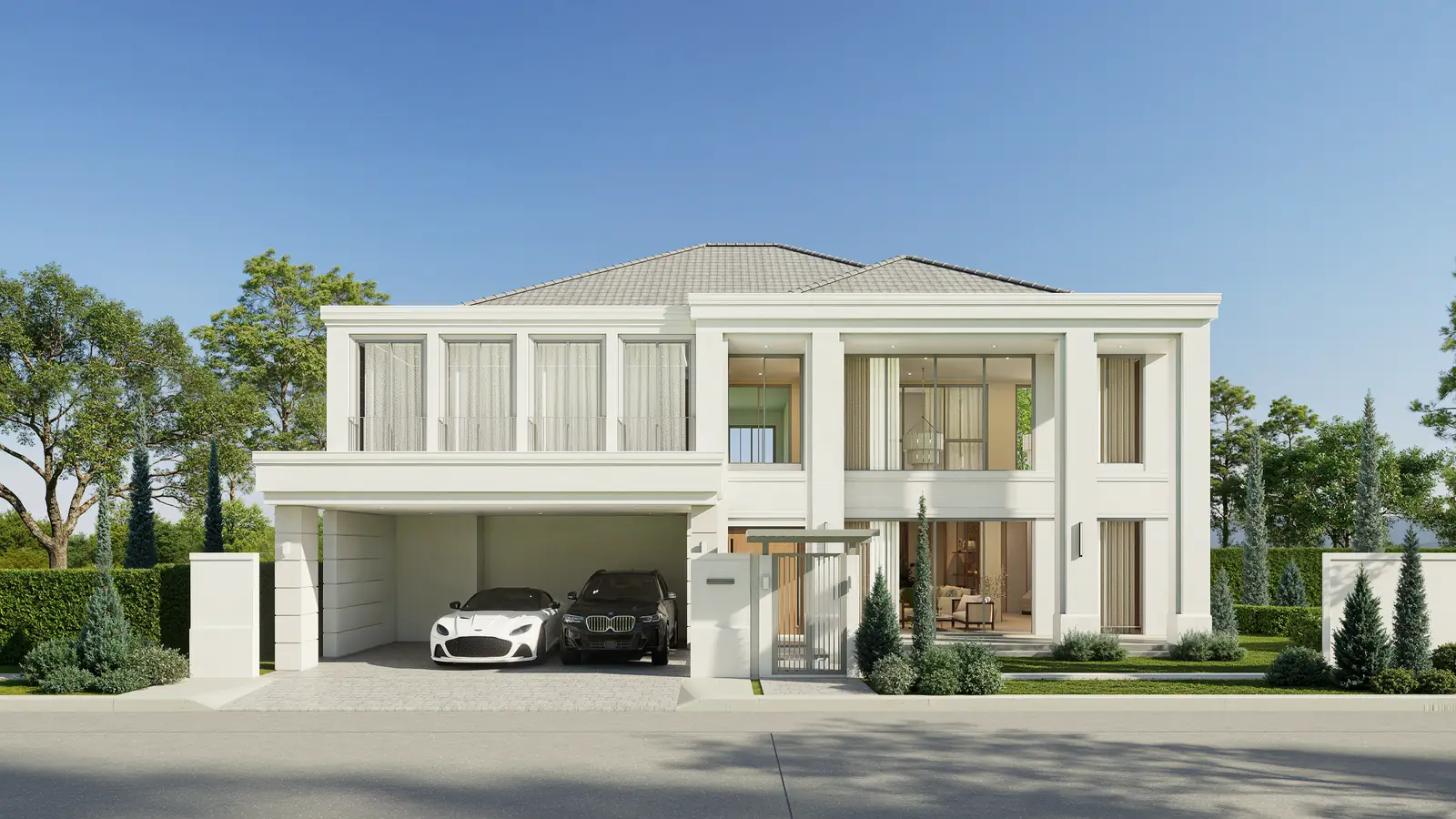
See the architectural and interior proposal → https://nattha.info/projects/nong-chom
ดูข้อเสนอสถาปัตยกรรมและพื้นที่ภายใน → https://nattha.info/projects/nong-chom
Architectural and interior design visualisations.
ภาพจำลองสถาปัตยกรรมและการออกแบบภายใน
PROJECT CREDIT
Project NONG CHOM
Design Direction NATTHA / Natthapon Khemmueang
Design Development & Project Delivery Piaoform Studio