The Other Entrance Carries a Different Storyทางเข้าที่ไม่ได้มีไว้ต้อนรับแขก
Written by NATTHA / Natthapon Khemmueang
Series date (assigned) ·
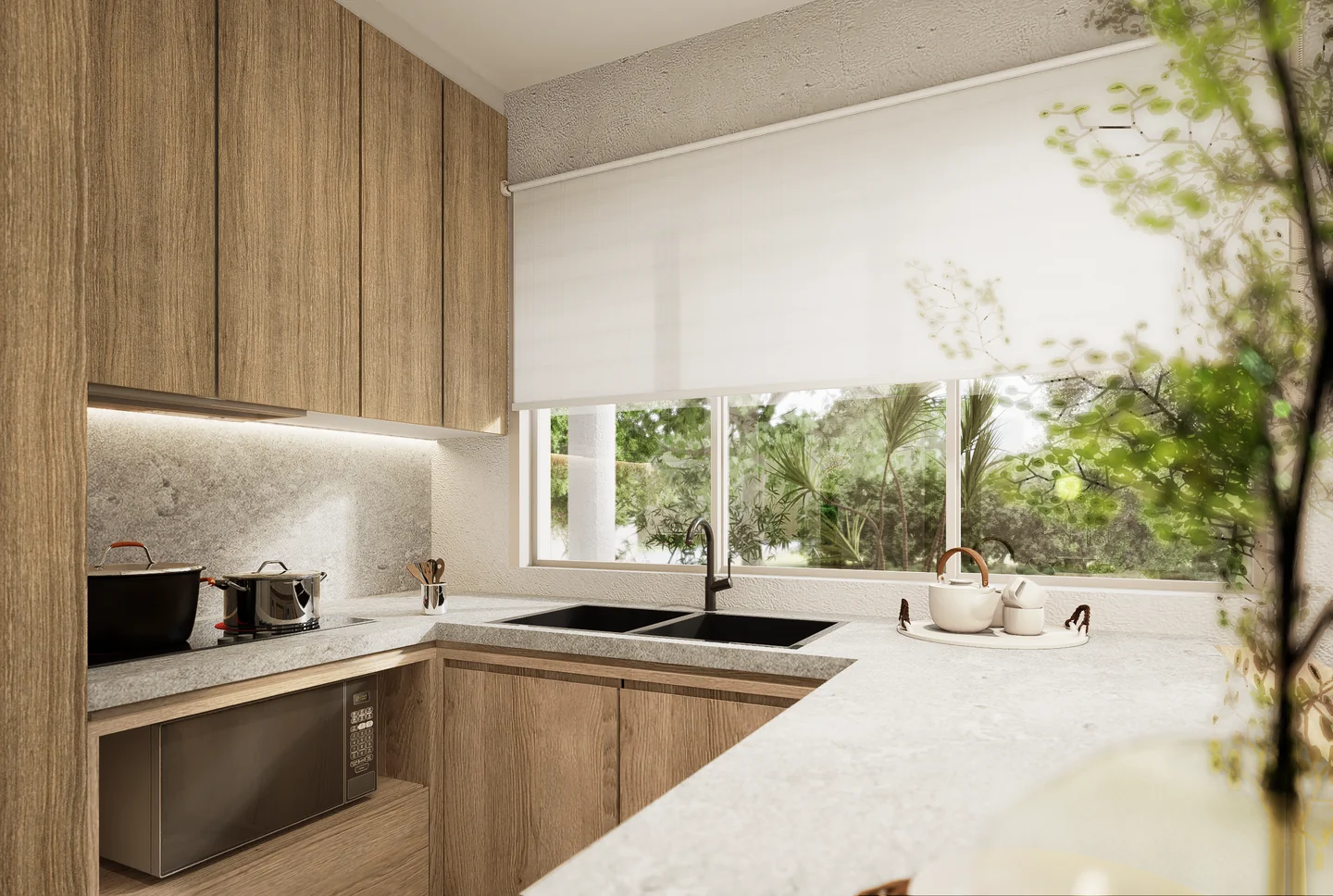
Seafood. Fresh vegetables. Fruit. Three things appear in the NA KLUEA brief that would rarely be placed at the centre of an architectural photograph. The list is not ornamental. It is a record of what the family brings home, with weight in the hands and tasks still to be done after arriving. Before deciding how the kitchen ought to look, we had to think about how these things would get there. A room named KITCHEN on a plan does not tell us how someone comes through a gate with shopping, whether they must cross a guest area, or where the bags can be put down. The family was describing a movement, and the movement had a reason. It altered the position of an entire room.
อาหารทะเล ของสด ผัก และผลไม้ เป็นรายการที่ปรากฏในเรื่องของ NA KLUEA ทั้งที่แทบไม่มีใครเลือกยกสิ่งเหล่านี้ขึ้นเป็นจุดเด่นของภาพถ่ายสถาปัตยกรรม แต่มันไม่ใช่รายการประกอบบรรยากาศ หากเป็นบันทึกว่าคนในบ้านซื้ออะไรกลับมา มีน้ำหนักที่ต้องหิ้ว และยังมีงานอีกหลายอย่างรออยู่หลังเดินเข้าประตู ก่อนตัดสินใจว่าครัวควรหน้าตาอย่างไร เราจึงต้องคิดว่าสิ่งเหล่านี้จะเดินทางไปถึงครัวได้อย่างไร คำว่า KITCHEN ที่เขียนบนผังยังไม่ได้บอกว่าคนถือถุงของเดินผ่านรั้วเข้ามาอย่างไร ต้องตัดผ่านส่วนต้อนรับหรือไม่ หรือจะวางถุงเหล่านั้นลงตรงไหน เจ้าของบ้านกำลังเล่าการเคลื่อนไหวซึ่งมีเหตุผล และเหตุผลนั้นเปลี่ยนตำแหน่งห้องได้ทั้งห้อง
I would follow the bag through the plan before following the visitor. There is the approach, the opening that has to be negotiated, the first place to set the load down and the next place the ingredients need to go. Each is a separate event. A short route can still be awkward if it leaves the person carrying everything with nowhere to stop.
ผมอยากลองตามถุงของสดผ่านผังก่อนตามผู้มาเยือน เริ่มจากทางเดิน ช่องเปิดที่ต้องผ่าน จุดแรกที่วางของลงได้ และตำแหน่งถัดไปที่วัตถุดิบต้องไปถึง แต่ละช่วงเป็นคนละเหตุการณ์ เส้นทางสั้นก็ยังใช้งานลำบากได้ หากคนที่ถือของเต็มมือไม่มีที่ให้หยุดวาง
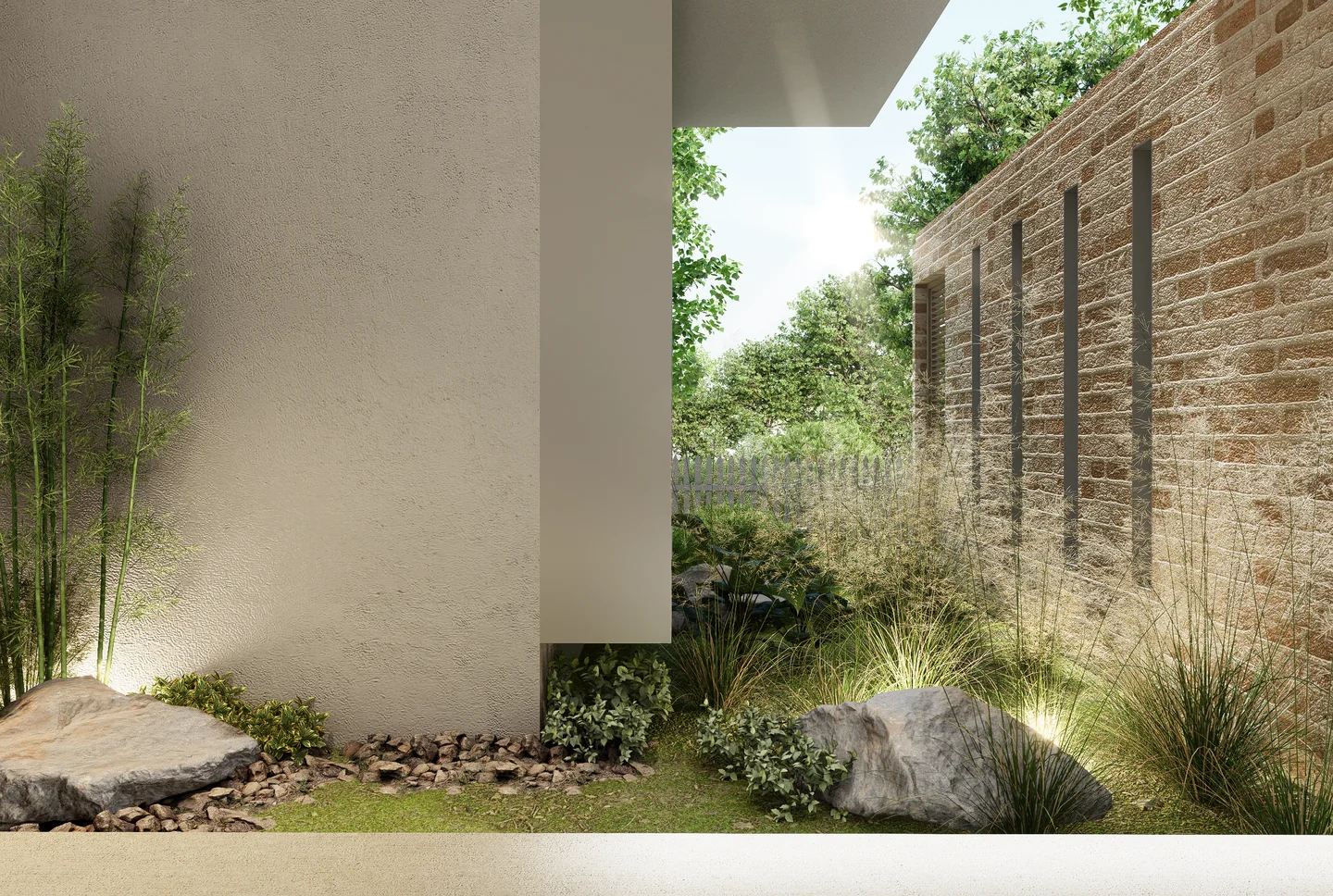
The side passage is the outdoor portion of that sequence. Its relationship to the kitchen matters because arriving with food is unfinished work. Shelter, the opening direction of doors and a place to pause need consideration along with distance. The exterior view helps us discuss the approach, while the developed plan must establish how it connects to the working room.
ทางเดินด้านข้างเป็นช่วงภายนอกของลำดับนี้ ความสัมพันธ์กับครัวสำคัญเพราะการกลับมาพร้อมอาหารยังเป็นงานที่ไม่จบ ระยะทางต้องถูกคิดพร้อมที่กำบัง ทิศทางเปิดประตู และจุดพักวางของ ภาพภายนอกช่วยให้คุยเรื่องทางเข้าถึงได้ ส่วนแบบที่พัฒนาต่อจะต้องแสดงให้ชัดว่าทางนั้นเชื่อมกับพื้นที่ทำงานอย่างไร
The route should also tolerate a different day. A small purchase and a larger shopping trip do not occupy the same amount of space. A second person may be arriving while the first is putting things away. I would test a few ordinary variations rather than make the layout depend on one perfectly timed journey with one neatly packed bag.
เส้นทางควรรองรับวันที่ไม่เหมือนกันด้วย การซื้อของเล็กน้อยกับการซื้อครั้งใหญ่ไม่ได้ใช้พื้นที่เท่ากัน อีกคนอาจเดินมาถึงขณะที่คนแรกยังเก็บของ ผมอยากทดสอบความต่างธรรมดาเหล่านี้ แทนการทำให้ผังใช้ได้ดีเฉพาะการเดินหนึ่งครั้งที่จัดเวลาไว้พอดีและมีถุงของเป็นระเบียบเพียงใบเดียว
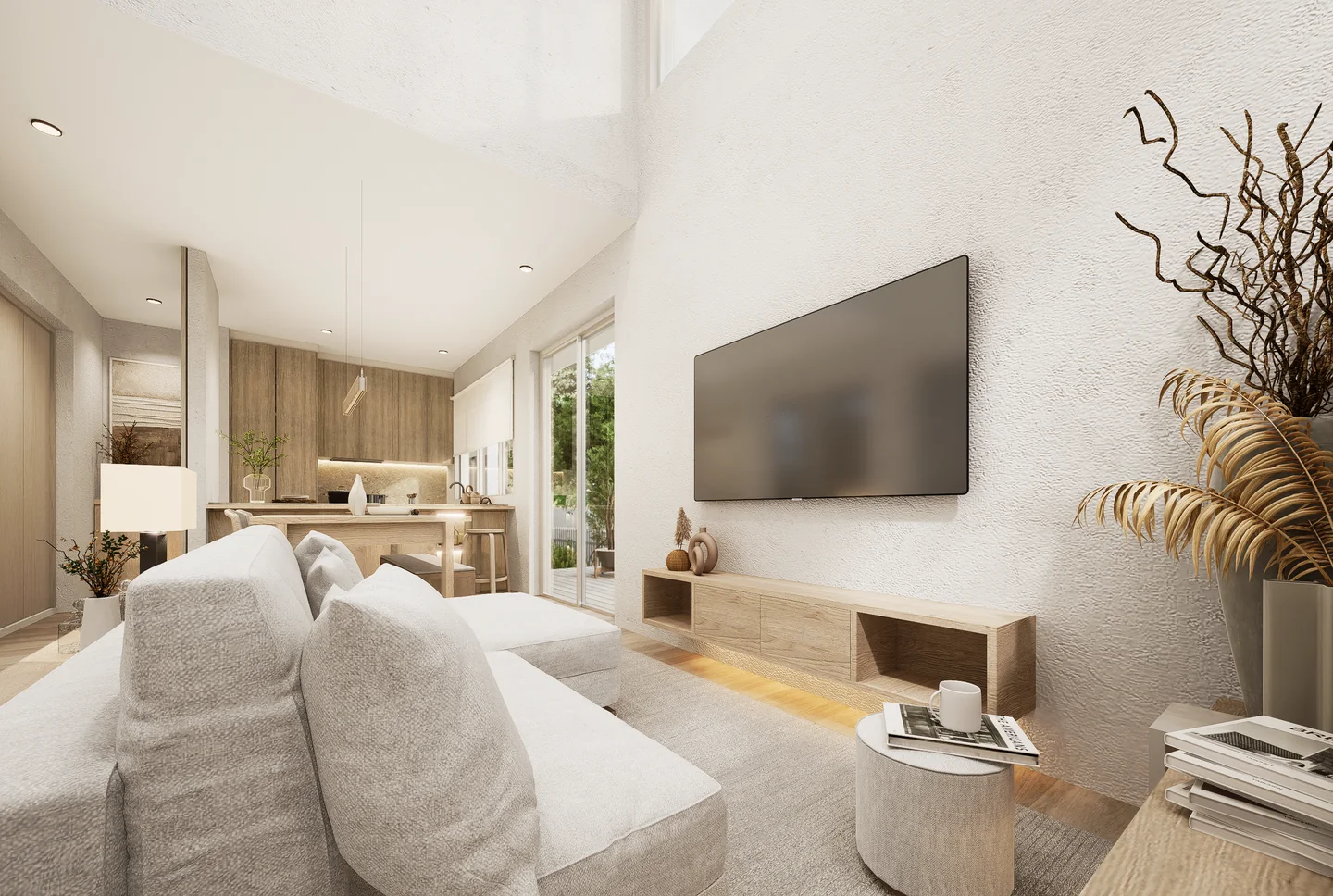
A conventional drawing may distinguish the formal entrance from service access and leave the matter there. The household's account asks something more precise. Both routes belong to the same family, but they do not serve the same kind of arrival. Through the side passage come groceries that need to be unloaded and organised. Through the foyer come people who may want to stop, say hello, and then continue to another room. The difference matters because a shorter line on a plan is not always a more comfortable journey. One route must consider weight, water and storage. The other must allow a greeting to occur without making a person carrying nothing behave like a delivery. Giving the kitchen two approaches was not an exercise in adding convenience. It was an attempt to recognise distinct rhythms already present in the owners' description.
แบบบ้านทั่วไปอาจแยกคำว่าทางเข้าหลักกับทางบริการแล้วถือว่าอธิบายครบ แต่เรื่องของครอบครัวนี้เรียกร้องความละเอียดมากกว่านั้น เส้นทางทั้งสองเป็นของคนในบ้านเหมือนกัน เพียงรองรับการกลับมาคนละชนิด ทางเดินรองด้านข้างรับถุงของสดที่ต้องวางและจัดเก็บ ส่วน Foyer รับคนที่อาจอยากหยุดทักกันแล้วเดินต่อไปยังห้องอื่น ความต่างนี้สำคัญเพราะเส้นที่สั้นกว่าในแบบไม่จำเป็นต้องเดินสบายกว่าเสมอ เส้นหนึ่งต้องคิดถึงน้ำหนัก น้ำเปียก และที่เก็บของ อีกเส้นต้องเปิดให้คำทักทายเกิดขึ้นได้โดยไม่บังคับให้คนมือเปล่าใช้ทางเดียวกับการขนของ การเตรียมทางเข้าครัวสองทางจึงไม่ใช่การเพิ่มความสะดวกในเชิงปริมาณ แต่เป็นการยอมรับจังหวะที่แตกต่างซึ่งมีอยู่แล้วในคำบอกเล่าของเจ้าของบ้าน
The point where a journey ends deserves as much care as the route itself. Setting down a bag frees a hand to open a cupboard or attend to the next task. If everything must be held until a distant counter becomes available, the apparent convenience of the side door is reduced. That first pause is a small spatial requirement with a very concrete purpose.
จุดที่การเดินทางจบลงควรได้รับความใส่ใจพอๆ กับเส้นทาง การวางถุงทำให้มือว่างพอจะเปิดตู้หรือทำงานถัดไป หากยังต้องถือทุกอย่างรอจนเคาน์เตอร์ที่อยู่ไกลว่าง ความสะดวกที่ดูเหมือนได้จากประตูข้างก็ลดลง จุดพักแรกนี้เป็นความต้องการพื้นที่เล็กๆ ที่มีหน้าที่ชัดเจนมาก
A kitchen close to the front of a house can look unconventional on a plan. But the conventional arrangement is not an argument in itself. If we pushed this family's kitchen deep into the rear simply because that is where kitchens are often expected to go, we would transfer the cost of our habit to somebody's daily walk. They would carry wet bags farther, pass through more doors, perhaps interrupt another activity. It is possible for the outwardly orderly plan to be inconvenient in repeated use. The question is therefore not whether a kitchen belongs at the front by principle. It is whether the family's pattern of buying, carrying and preparing food gives a good reason for locating it there in this particular home.
ครัวที่อยู่ใกล้หน้าบ้านอาจดูต่างจากผังที่คุ้นเคย แต่ความคุ้นเคยไม่ใช่เหตุผลทางออกแบบในตัวเอง หากเราผลักครัวของครอบครัวนี้ไปไว้ด้านหลังเพียงเพราะบ้านอื่นมักทำกัน เราก็จะโยนต้นทุนของความเคยชินไปให้คนที่ต้องเดินซ้ำทุกวัน เขาอาจต้องหิ้วถุงเปียกไกลขึ้น ผ่านประตูมากขึ้น หรือรบกวนกิจกรรมของใครอีกคน ผังที่ดูเรียบร้อยที่สุดจากภายนอกอาจกลับไม่สะดวกเมื่อใช้ซ้ำอยู่เสมอ คำถามจึงไม่ใช่ว่าครัวควรอยู่หน้าบ้านโดยหลักการหรือไม่ แต่คือวิธีซื้อของ ขนของ และทำอาหารของครอบครัวนี้หนักแน่นพอที่จะให้ห้องนั้นอยู่ตรงนี้หรือเปล่า
I return to the seafood not because it makes an unusual literary image but because it refuses to behave like a decorative object. It must be carried while fresh, and once inside it joins a sequence of sorting, washing, preparation and storage. The closer the working kitchen is to the point of arrival, the less of that journey needs to occur through rooms used for other purposes. Yet proximity alone does not complete the design. It may also require careful thresholds, surfaces that tolerate moisture, sensible equipment positions and provisions for waste, odour and pests. These belong to design development and cannot be assumed from a render. The architect's interpretation has value only if the eventual details support the very routine that justified moving the kitchen forward.
ผมกลับมาคิดถึงอาหารทะเลไม่ใช่เพราะมันเป็นภาพเปรียบที่แปลกสำหรับงานเขียน แต่เพราะมันไม่ยอมทำตัวเป็นของตกแต่ง มันต้องถูกหิ้วเข้ามาขณะที่ยังสด และเมื่อผ่านประตูแล้วก็เข้าสู่ลำดับงานคัดแยก ล้าง เตรียม และจัดเก็บ ยิ่งครัวทำงานอยู่ใกล้จุดรับของเท่าไร การเดินทางของสิ่งเหล่านั้นผ่านห้องที่ใช้ทำกิจกรรมอื่นก็ยิ่งลดลง แต่ความใกล้อย่างเดียวไม่ได้ทำให้แบบเสร็จสมบูรณ์ ยังต้องคิดเรื่องระดับธรณีประตู พื้นผิวที่รับความชื้นได้ ตำแหน่งอุปกรณ์ และการจัดการของเสีย กลิ่น รวมถึงสัตว์รบกวน เรื่องเหล่านี้เป็นงานพัฒนาแบบ ไม่ใช่สิ่งที่อนุมานได้จาก Render วิจารณญาณของสถาปนิกจะมีความหมายก็ต่อเมื่อรายละเอียดจริงรองรับกิจวัตรที่ทำให้เราเลือกขยับครัวมาตั้งแต่ต้น
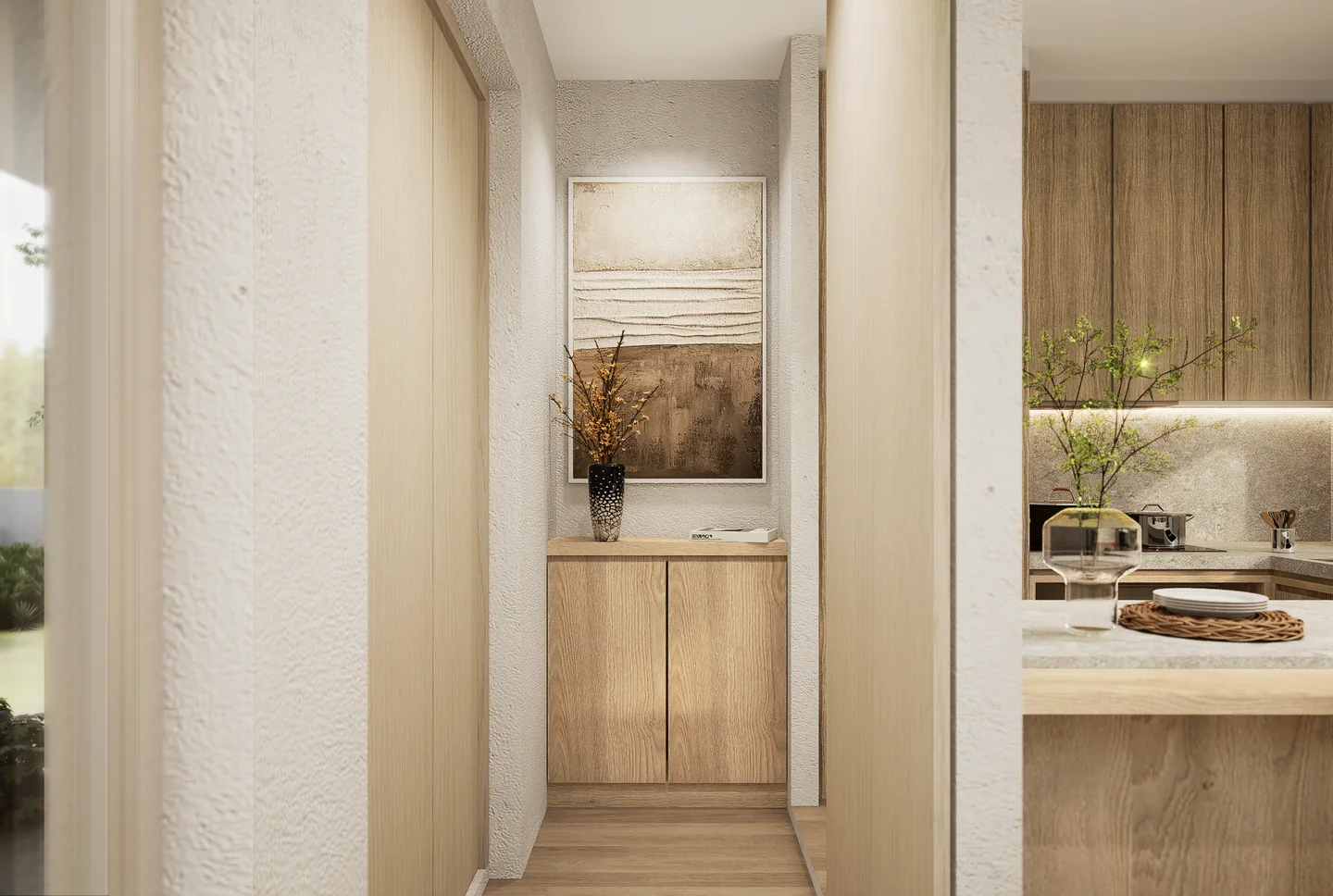
Storage is part of arrival, even when it is invisible in the front elevation. If putting groceries away depends on one person's private knowledge of the kitchen, others may find it difficult to take over the trip. I would ask how frequently used things are reached and recognised. The aim is an arrangement the household can learn, rather than a route that only its most experienced user can complete easily.
การเก็บของเป็นส่วนหนึ่งของการกลับบ้าน แม้รูปด้านหน้าจะมองไม่เห็น หากการจัดของสดเข้าที่ต้องอาศัยความจำเรื่องครัวของคนคนเดียว คนอื่นก็อาจรับช่วงงานนี้ได้ยาก ผมอยากถามว่าของที่ใช้บ่อยหยิบถึงและหาเจออย่างไร เป้าหมายคือการจัดวางที่สมาชิกเรียนรู้ได้ ไม่ใช่เส้นทางที่มีเพียงคนใช้ครัวเก่งที่สุดเท่านั้นเดินจนจบได้สะดวก
The two routes also complicate the technical design. Bringing fresh ingredients directly into a kitchen demands attention to what arrives with them. Water, packaging, cleaning, storage, waste and movement around working counters have to be accommodated. Placing that work close to the front raises further questions about odour, noise and the view from spaces used by visitors. These questions do not invalidate the idea. They define the work it still owes. The brief gives the arrangement a human reason. The developed design must give it physical credibility. A sentimental account of cooking will not extract an odour or make an awkward door swing disappear.
ทางเข้าสองทางยังทำให้โจทย์เทคนิคซับซ้อนขึ้นด้วย การพาของสดเข้าถึงครัวโดยตรงหมายความว่าเราต้องรับสิ่งที่มากับมัน ทั้งน้ำ บรรจุภัณฑ์ การทำความสะอาด ที่เก็บ ขยะ และการเดินผ่านพื้นที่ทำงาน การวางครัวด้านหน้ายังทำให้ต้องคิดเรื่องกลิ่น เสียง และมุมมองจากส่วนที่แขกใช้งานด้วย คำถามเหล่านี้ไม่ได้ทำให้ความคิดเรื่องครัวหน้าบ้านผิด หากกำหนดว่างานออกแบบยังต้องรับผิดชอบอะไรต่อไป Brief ให้เหตุผลด้านชีวิต ส่วนแบบพัฒนาต้องทำให้มันน่าเชื่อถือด้านกายภาพ เรื่องเล่าแสนอบอุ่นเกี่ยวกับอาหารไม่ได้ช่วยดูดกลิ่นหรือแก้บานประตูที่เปิดชนทางเดินได้
There is another movement, in the opposite direction, that keeps this story from becoming an account of delivery logistics. The family described a mother preparing food and the possibility of handing a packed lunch to children as they leave. Ingredients move inward. Prepared food sometimes moves outward. Between those movements lies the work of cooking and the lives of people who may pass the kitchen on their way to somewhere else. A plan can shorten the distance between the stove and the departure route. It cannot guarantee the conversation that might follow. What it can do is refuse to place unnecessary obstacles in the way of an act the family told us mattered. In this sense the kitchen's position is a statement about whose ordinary work deserves to influence architecture.
ยังมีการเคลื่อนไหวสวนทางอีกชนิดหนึ่ง ซึ่งทำให้เรื่องนี้ไม่จบลงเป็นบทความโลจิสติกส์ เจ้าของบ้านเล่าถึงคุณแม่เตรียมอาหาร และความเป็นไปได้ที่จะยื่นกล่องข้าวให้ลูกก่อนออกจากบ้าน วัตถุดิบเดินทางเข้ามา อาหารที่ปรุงแล้วบางครั้งเดินทางออกไป ระหว่างสองทิศนั้นมีทั้งงานครัวและชีวิตของคนที่อาจเดินผ่านเพื่อไปทำอย่างอื่น ผังช่วยลดระยะระหว่างหน้าเตากับเส้นทางออกจากบ้านได้ แต่ไม่อาจรับรองว่าบทสนทนาใดจะเกิดขึ้น สิ่งที่มันทำได้คือไม่วางอุปสรรคที่ไม่จำเป็นขวางการเอาใจใส่แบบที่ครอบครัวบอกว่ามีความสำคัญ ในความหมายนี้ตำแหน่งครัวจึงเป็นการยอมรับว่างานธรรมดาของใครบางคนควรมีน้ำหนักต่อสถาปัตยกรรมมากเพียงใด
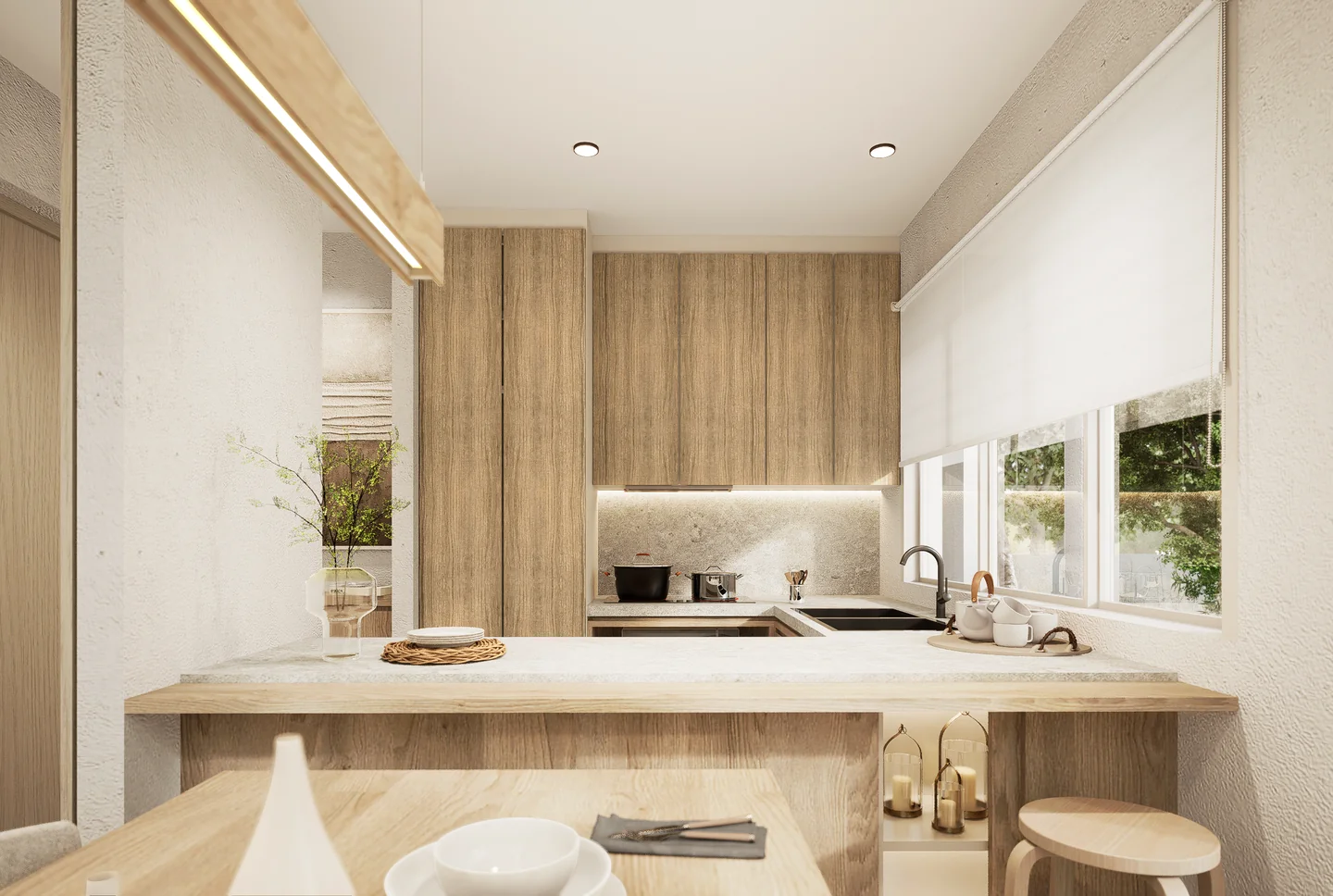
Not everything leaves the kitchen as a meal. Packaging and waste also need a route out. Their movement should be considered without assuming that every inward journey can simply be reversed through an occupied room. This is one reason to study the kitchen as a sequence of exchanges, with points of arrival, temporary holding and departure, rather than as an isolated destination.
สิ่งที่ออกจากครัวไม่ได้มีแต่อาหาร ภาชนะบรรจุและขยะก็ต้องมีทางออกเช่นกัน ควรพิจารณาการเคลื่อนที่เหล่านี้โดยไม่สมมติว่าทางเข้าทุกทางย้อนกลับผ่านห้องที่กำลังใช้งานได้เสมอ นี่เป็นเหตุผลหนึ่งที่ควรศึกษาครัวเป็นลำดับของการรับเข้า พักวาง และนำออก มากกว่ามองว่าเป็นปลายทางโดดๆ เพียงห้องเดียว
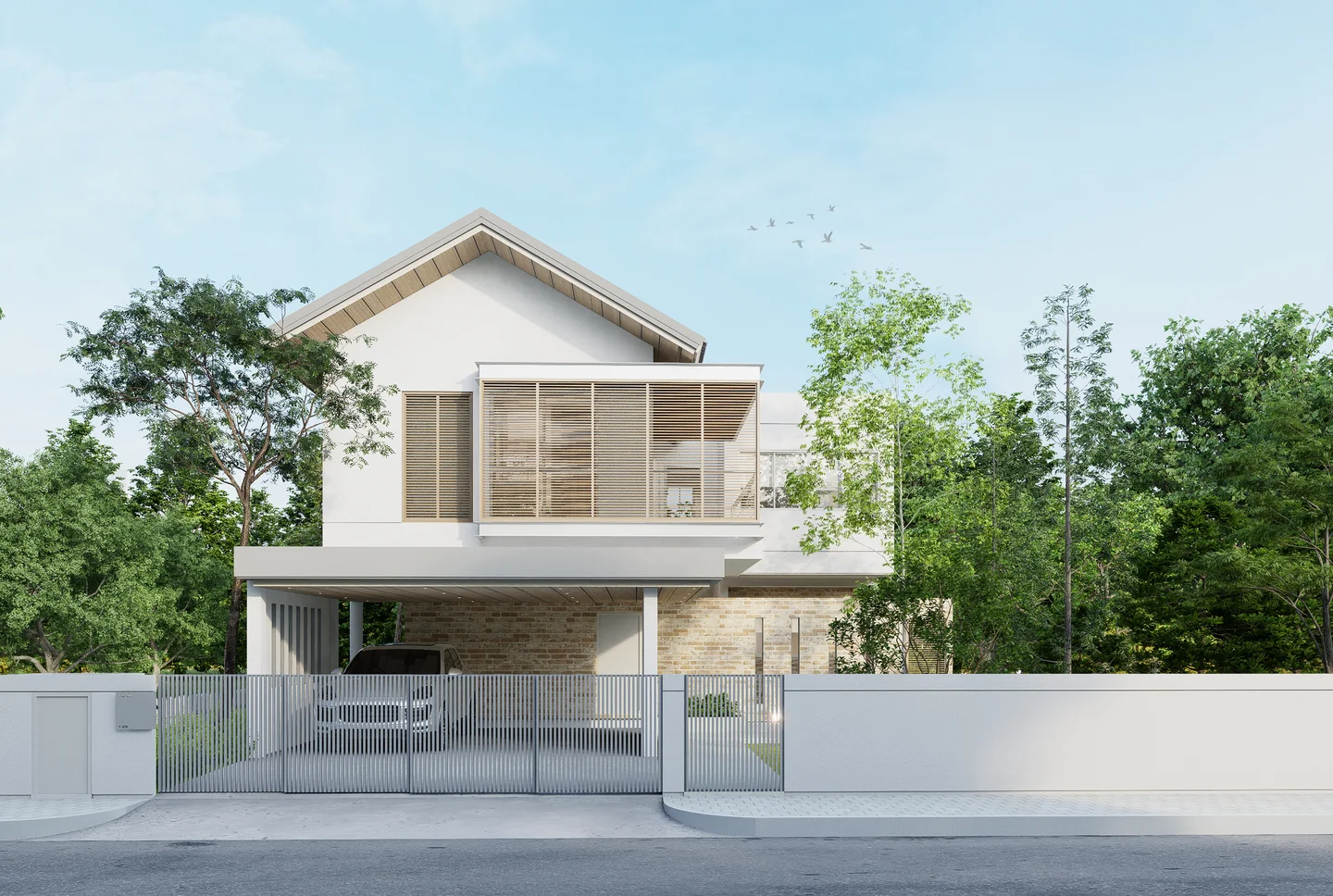
The front kitchen and the hidden main door should finally be read together. One part of the house limits the first view into the family, while another receives the things through which family life is sustained. This is not a contradiction to be concealed by good photography. It is the organising tension of the brief. If another family preferred a rear service kitchen and an obvious entrance, that could be entirely appropriate. These owners supplied a different set of reasons. Our task was to test those reasons and translate them into a proposal, not to turn one family's preferences into a rule for everyone else. A persuasive project story therefore ends not with praise for an unconventional layout, but with the particular decisions that make it intelligible.
ในที่สุดครัวหน้าบ้านกับประตูหลักที่ซ่อนอยู่ควรถูกอ่านร่วมกัน ส่วนหนึ่งของบ้านจำกัดสายตาแรกที่จะเข้าถึงครอบครัว ขณะที่อีกส่วนรับสิ่งของซึ่งทำให้ชีวิตครอบครัวดำเนินต่อได้ ความต่างนี้ไม่ใช่ข้อขัดแย้งที่ต้องแต่งภาพให้มองไม่เห็น แต่เป็นแรงหลักที่จัดโครงให้โจทย์ หากครอบครัวอื่นต้องการครัวบริการด้านหลังและประตูที่เห็นชัด ก็อาจเหมาะสมกับเขาอย่างยิ่ง เจ้าของบ้านหลังนี้เพียงมีเหตุผลอีกชุดหนึ่ง หน้าที่ของเราคือทดสอบเหตุผลเหล่านั้นแล้วแปลเป็นข้อเสนอ ไม่ใช่ยกระดับความชอบของครอบครัวหนึ่งให้เป็นกฎของทุกบ้าน บทความที่น่าเชื่อถือจึงไม่ควรจบด้วยการชมว่าผังแตกต่างจากคนอื่น แต่จบด้วยการทำให้ผู้อ่านเข้าใจว่าความต่างนั้นมีเหตุผลเฉพาะอย่างไร
The question I would carry forward into the next drawing review is almost embarrassingly practical. Where do the groceries go when the hands that carry them need to be free? If the plan can answer that alongside the questions of greeting, cooking and rest, its unconventional kitchen position will have earned its place. It does not need the defence of being unusual. It needs the quieter defence of having listened accurately to the way this family comes home.
คำถามที่ผมอยากนำกลับไปตรวจแบบครั้งต่อไปเป็นเรื่องธรรมดาจนแทบไม่น่าจะต้องเขียนเป็นบทความ เมื่อมือที่หิ้วของสดต้องการว่าง จะวางถุงไว้ตรงไหน หากผังตอบคำถามนี้พร้อมเรื่องการทักทาย การทำอาหาร และการพักได้ ตำแหน่งครัวที่ไม่เป็นไปตามความคุ้นเคยก็จะมีเหตุผลรองรับมากพอ มันไม่จำเป็นต้องได้รับคำชมว่าแปลกใหม่ สิ่งที่ต้องการมีเพียงหลักฐานเงียบๆ ว่าเราได้ฟังวิธีที่ครอบครัวนี้กลับบ้านมาอย่างถูกต้อง
PROJECT CREDIT
Design Direction NATTHA / Natthapon Khemmueang
Design Development & Project Delivery Piaoform Studio