The Door Is Not Owed to the Streetประตูบ้านไม่จำเป็นต้องเป็นคำตอบของคนผ่านทาง
Written by NATTHA / Natthapon Khemmueang
Series date (assigned) ·
A front door is usually expected to explain a building. It tells a stranger where to go, reassures a visitor that the house has been understood, and completes the front elevation in a manner that looks inevitable. For NA KLUEA, that expectation was one of the first things we had to question. The owners wanted the house to be a Safe Zone, but not a place that refused company. They wanted the option of withdrawing from the outside world without giving up the pleasure of inviting it in. The word that mattered was not closed or open. It was when. A building that remains permanently on display gives its inhabitants less say about the terms of an encounter. At this house, the question of how one arrives is inseparable from the question of who gets to decide when the encounter begins.
เราคุ้นกับความคิดว่าประตูหน้าบ้านควรอธิบายอาคารให้เข้าใจทันที คนแปลกหน้าควรรู้ว่าต้องไปทางไหน ผู้มาเยือนควรแน่ใจว่ามาถึงถูกหลัง และรูปด้านควรดูสมบูรณ์ในแบบที่ไม่ต้องตั้งคำถามมากนัก แต่สำหรับ NA KLUEA ความเคยชินข้อนี้กลับเป็นสิ่งแรกๆ ที่เราต้องพิจารณาใหม่ เจ้าของบ้านต้องการพื้นที่ Safe Zone โดยไม่ต้องการปฏิเสธการมีผู้คนอยู่รอบตัว พวกเขาอยากถอยจากโลกภายนอกได้เมื่อจำเป็น และยังยินดีเชื้อเชิญมันเข้ามาในวันที่พร้อม คำสำคัญจึงไม่ใช่ปิดหรือเปิด แต่เป็นคำว่าเมื่อไร บ้านที่ต้องแสดงตัวต่อสายตาผู้อื่นอยู่ตลอดเวลาอาจทำให้เจ้าของมีสิทธิเลือกจังหวะของการพบกันน้อยลง สำหรับบ้านหลังนี้ วิธีเดินเข้าประตูจึงเกี่ยวข้องโดยตรงกับคำถามว่าใครควรมีสิทธิเริ่มต้นการพบกันนั้น
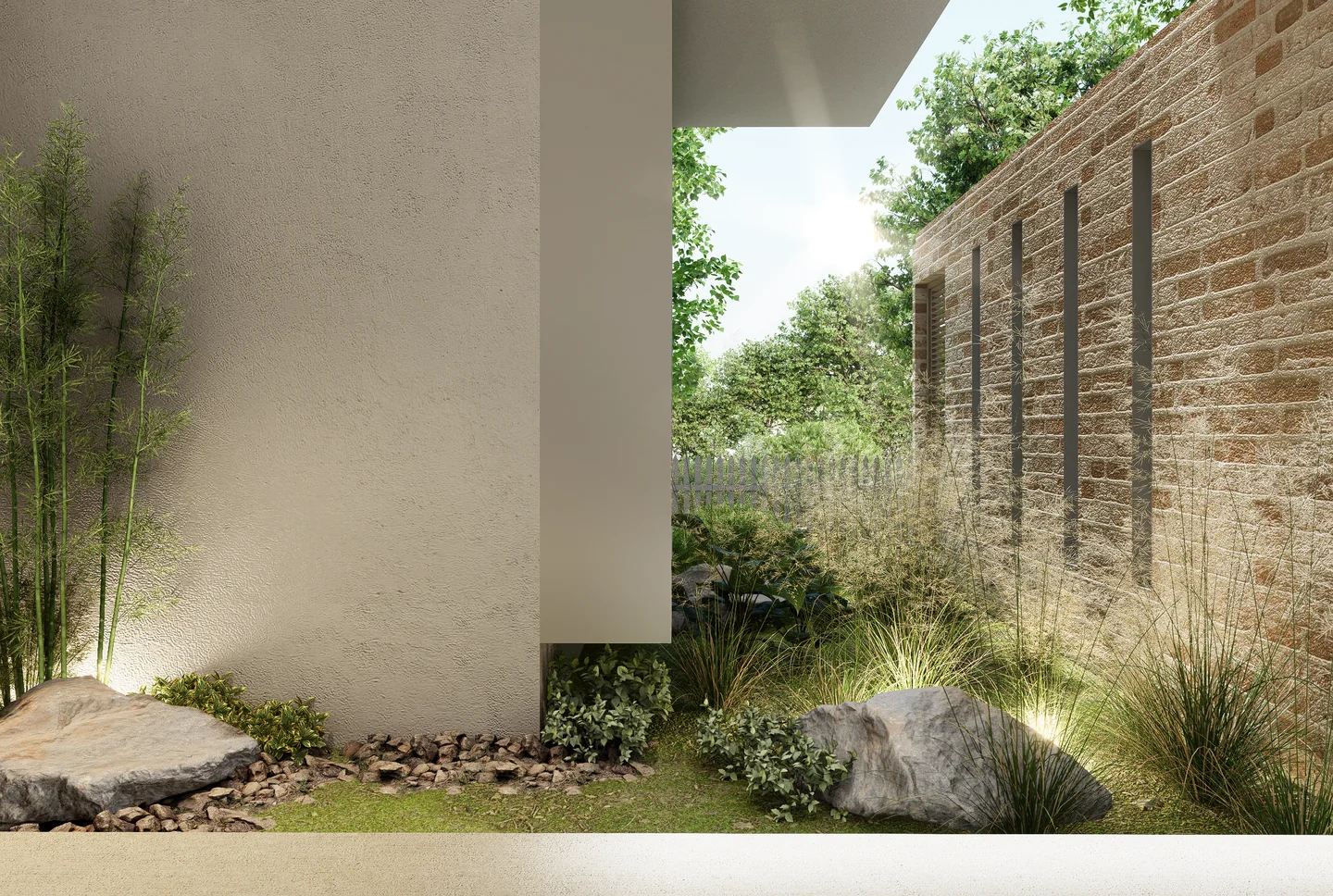
The sheltered passage beside the wall gives us a place to begin. Its depth matters more than a single view of the facade. A visitor moves beside a surface before meeting an opening. I would use that movement to organise the arrival, so that a person follows a sequence rather than searches an elevation for a missing door.
ทางเดินใต้ชายคาข้างแนวผนังเป็นจุดเริ่มต้นที่จับต้องได้ ความลึกของทางเดินสำคัญกว่าภาพหน้าบ้านเพียงมุมเดียว ผู้มาเยือนเดินเลียบผิวผนังก่อนจะพบช่องเปิด ผมอยากใช้การเคลื่อนที่นี้จัดลำดับการมาถึง ให้คนเดินตามเส้นทางที่ค่อยๆ เข้าใจได้ แทนการยืนค้นหาประตูที่หายไปจากรูปด้าน
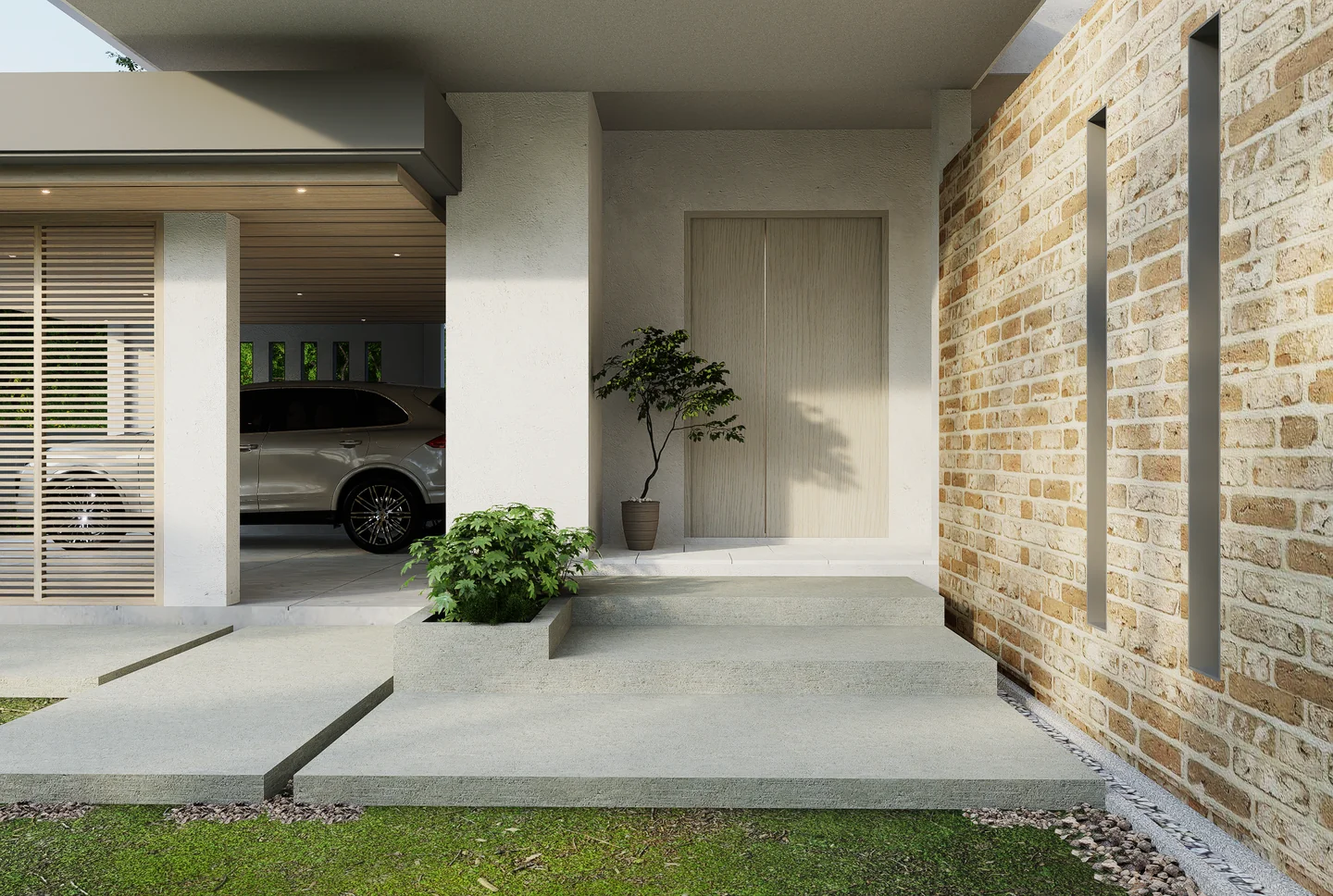
The first visit deserves particular attention. A resident already knows where to turn and may overlook a cue that a guest needs. During design development, I would trace the approach from the position of someone who has never seen the plan. The useful question is what becomes understandable at each step, before familiarity starts doing the work for the architecture.
การมาเยือนครั้งแรกควรได้รับความใส่ใจเป็นพิเศษ เจ้าของบ้านรู้แล้วว่าต้องเลี้ยวตรงไหน จึงอาจมองข้ามสิ่งบอกทางที่แขกยังต้องการ ในการพัฒนาแบบ ผมอยากไล่เส้นทางจากมุมของคนที่ไม่เคยเห็นผังมาก่อน คำถามที่มีประโยชน์คือแต่ละก้าวทำให้เขาเข้าใจอะไรเพิ่มขึ้นบ้าง ก่อนที่ความคุ้นเคยจะเริ่มทำหน้าที่แทนสถาปัตยกรรม
An entrance is understood through several small signals. The direction of a path, a sheltered place to pause and the position of a light can suggest where to continue. These are possibilities to test, not completed features I can certify from the image. Too many competing signals would weaken the quiet approach as surely as too few would leave a visitor uncertain.
คนเราอ่านทางเข้าผ่านสิ่งบอกเล็กๆ หลายอย่าง ทั้งแนวทางเดิน จุดพักใต้ชายคา และตำแหน่งแสงที่ช่วยให้รู้ว่าควรไปต่อทางใด สิ่งเหล่านี้เป็นทางเลือกที่ต้องทดสอบ ไม่ใช่รายละเอียดที่ผมยืนยันว่าเกิดขึ้นครบแล้วจากภาพ หากมีสิ่งชี้นำแข่งกันมากเกินไป ทางเข้าก็เสียความสงบได้พอๆ กับการมีน้อยจนแขกไม่แน่ใจ
This makes the photographic viewpoint an incomplete judge. A camera rewards the angle from which a composition becomes clear. Someone arriving encounters several angles, including awkward ones that may never appear in a portfolio. I would rather let the entrance read well in that unfolding experience than move the door simply to complete the most persuasive photograph.
มุมถ่ายภาพจึงเป็นผู้ตัดสินที่ยังเห็นไม่ครบ กล้องให้ความสำคัญกับมุมที่องค์ประกอบอ่านง่าย แต่คนเดินเข้าบ้านพบหลายมุมต่อกัน รวมถึงมุมที่ไม่สวยพอจะอยู่ในแฟ้มผลงาน ผมอยากให้ทางเข้าเข้าใจได้ตลอดประสบการณ์ที่ค่อยๆ เกิดขึ้น มากกว่าขยับประตูเพียงเพื่อให้ภาพหนึ่งมุมสมบูรณ์ที่สุด
This request led us to position a Feature Wall along the approach. From the first view, the main door does not disclose its exact location. As someone follows the path, the relationship between the wall and the building changes, and the entrance appears beside it. There is no need to invent drama in this sequence. Its effect is quieter than surprise. The first view belongs partly to the outside world. The next few steps begin to belong to the house. Only then does the visitor meet its door. On a plan these are short distances and adjoining lines. For someone walking, they are different degrees of access. The wall is not simply concealing a door. It is arranging the order in which parts of a private life become available to another person.
ความต้องการนี้นำไปสู่การวาง Feature Wall ให้ทำงานร่วมกับทางเข้าบ้าน จากมุมมองแรก ผู้ที่ยืนอยู่ภายนอกจะยังอ่านตำแหน่งประตูหลักไม่ออกชัดเจน แต่เมื่อเดินตามเส้นทางไป ความสัมพันธ์ระหว่างแนวผนังกับตัวอาคารจะค่อยๆ เปลี่ยน จนพบประตูที่อยู่ข้างผนังนั้น ลำดับดังกล่าวไม่จำเป็นต้องถูกเล่าให้เป็นความตื่นเต้นหรือการเฉลยที่ยิ่งใหญ่ ผลของมันเงียบกว่านั้น ภาพแรกยังเป็นสิ่งที่โลกภายนอกเห็นได้ อีกไม่กี่ก้าวต่อมาเริ่มเข้าใกล้ขอบเขตของบ้าน แล้วจึงมาถึงประตู บนผังอาจมีเพียงระยะสั้นๆ กับเส้นที่ต่อกันไม่กี่เส้น แต่สำหรับคนเดินมันคือระดับการเข้าถึงที่ต่างกัน ผนังไม่ได้มีไว้เพียงบังประตู หากจัดลำดับว่าเรื่องส่วนตัวของครอบครัวจะเริ่มเปิดเผยต่อคนอื่นตรงไหน
Yet there is a contradiction within the idea, and it should not be hidden beneath an elegant drawing. A person who has been invited should not be punished for accepting an invitation. Concealing a door can preserve privacy, but a concealed door can also produce uncertainty for a first-time visitor, for someone carrying parcels, for an older relative, or for those who must enter in an emergency. The point of the wall is not to make entry difficult. The difficult part of the design is to make the intended route gradually legible while the room beyond remains protected from an indiscriminate gaze. Light, approach geometry, surfaces, hardware and clear access are therefore not later technical afterthoughts. They are how an architectural idea proves it has understood hospitality as well as privacy.
อย่างไรก็ตาม ความคิดนี้มีความย้อนแย้งอยู่ในตัว และเราไม่ควรปล่อยมันหลบอยู่หลังภาพที่จัดองค์ประกอบสวยงาม คนที่ได้รับเชิญไม่ควรถูกทำให้ลำบากเพราะตอบรับคำเชิญนั้น การซ่อนประตูอาจรักษาความเป็นส่วนตัว แต่ก็อาจสร้างความไม่แน่ใจให้แขกที่เพิ่งมาครั้งแรก คนถือพัสดุ ญาติผู้สูงวัย หรือผู้ที่จำเป็นต้องเข้าถึงบ้านเมื่อเกิดเหตุฉุกเฉิน จุดประสงค์ของผนังไม่ใช่ทำให้เข้าได้ยาก สิ่งท้าทายของงานออกแบบอยู่ที่ทำให้เส้นทางที่ตั้งใจไว้ค่อยๆ อ่านออก ขณะเดียวกันยังปกป้องชีวิตภายในจากสายตาที่มองเข้ามาโดยไม่ได้รับเชิญ แสง ลำดับทางเดิน ผิวทาง อุปกรณ์ประตู และความชัดเจนในการเข้าถึงจึงไม่ใช่งานเทคนิคที่ค่อยกลับมาคิดตอนท้าย แต่เป็นวิธีพิสูจน์ว่าแนวคิดทางสถาปัตยกรรมนี้เข้าใจการต้อนรับพอๆ กับความเป็นส่วนตัวจริงหรือไม่
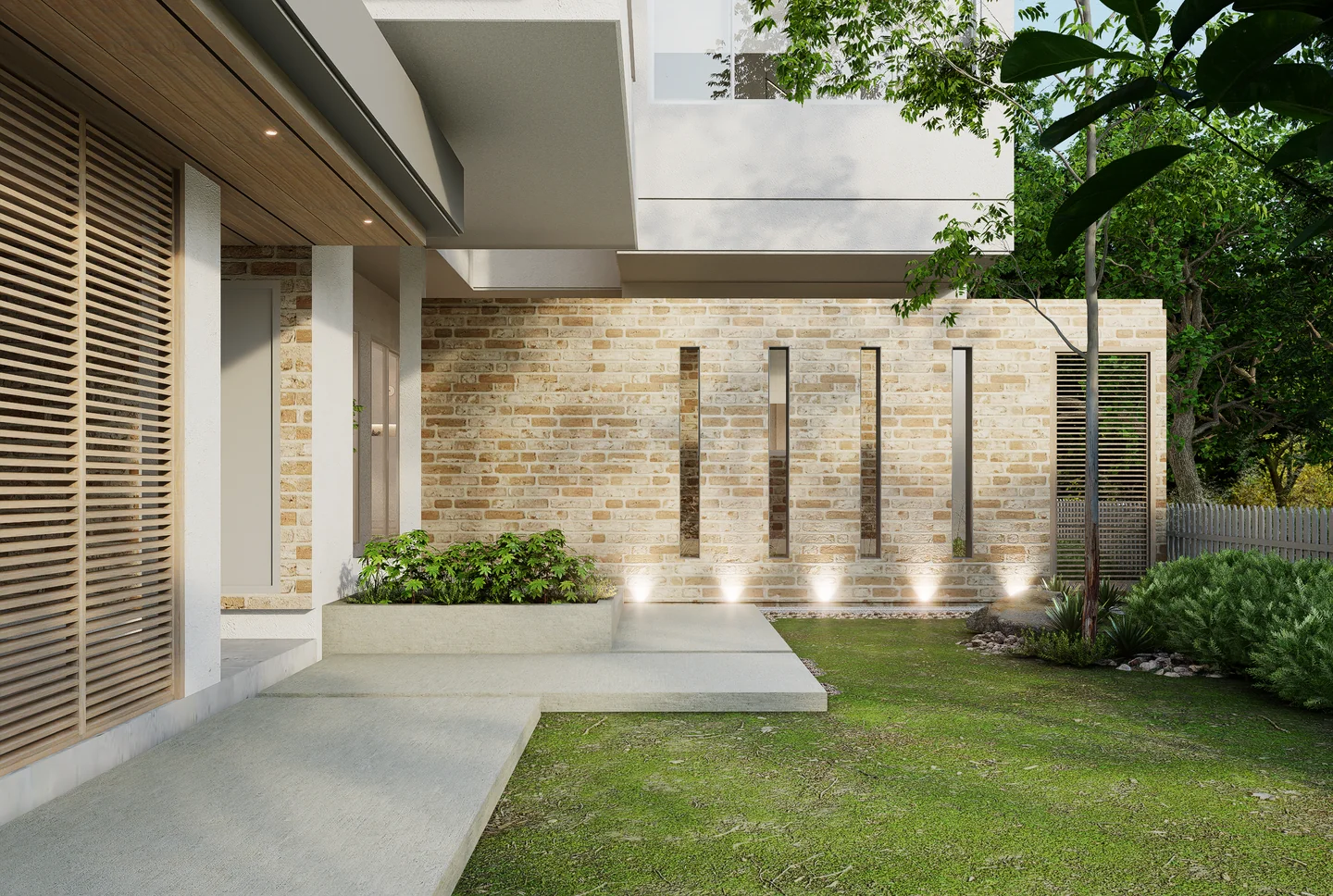
A threshold also gives the household a place to answer an arrival before inviting it further inside. A brief exchange may remain at the entrance, while a friend is welcomed into the shared room. I am describing a capacity the plan should offer, not a rule for how the owners must receive people. Hospitality includes the freedom to decide the extent of a visit.
พื้นที่หน้าประตูยังเปิดโอกาสให้คนในบ้านรับการมาถึงก่อนเชิญใครเข้าไปลึกกว่านั้น การพูดคุยสั้นๆ อาจจบที่ทางเข้า ขณะที่เพื่อนอาจได้รับเชิญไปยังส่วนกลาง ผมกำลังพูดถึงทางเลือกที่ผังควรมี ไม่ใช่กำหนดว่าครอบครัวต้องต้อนรับใครอย่างไร การต้อนรับรวมถึงอิสระในการเลือกด้วยว่าการเยือนครั้งหนึ่งควรไปไกลแค่ไหน
Perhaps it is useful to distinguish being seen from being met. A passer-by can see an open doorway without having any relationship to the household. A guest may be warmly received even if the door is not immediately visible from the street. Visibility and hospitality are often treated as the same design virtue, although they do different work. Here we chose not to give the street a complete picture of how the family lives. That is not a judgment that another household should do likewise. A shop may need to announce its entry. Another family might want its front door to be the most evident gesture of welcome. NA KLUEA is interesting precisely because these owners gave a different account of what welcome should mean to them.
ผมอยากแยกความต่างระหว่างการถูกมองเห็นกับการได้พบกันออกจากกัน คนเดินผ่านสามารถมองเห็นประตูที่เปิดอยู่ได้โดยไม่มีความสัมพันธ์ใดกับคนในบ้าน ส่วนแขกที่ได้รับเชิญอาจถูกต้อนรับอย่างอบอุ่น แม้ประตูจะไม่ได้ปรากฏเด่นชัดจากถนน เรามักใช้ความเปิดเผยและความเป็นมิตรเป็นคุณสมบัติเดียวกันในการอธิบายงานออกแบบ ทั้งที่สองอย่างมีหน้าที่ต่างกัน สำหรับบ้านหลังนี้เราเลือกไม่มอบภาพชีวิตทั้งหมดให้คนผ่านทางเห็น ไม่ได้หมายความว่าบ้านอื่นควรทำตาม ร้านค้าอาจจำเป็นต้องประกาศตำแหน่งทางเข้าให้ชัด บางครอบครัวอาจชอบให้ประตูหน้าบ้านเป็นท่าทีต้อนรับที่เด่นที่สุดของอาคาร NA KLUEA น่าสนใจเพราะเจ้าของบ้านหลังนี้อธิบายความหมายของการต้อนรับไว้ต่างออกไปต่างหาก
A wall also has a second life after the design presentation. In a rendering, the person approaches it once, under controlled light, from the one angle selected for the image. In a home, the same person will pass it on mornings when they are late, evenings when they are exhausted, and days when something bulky is being carried inside. After enough repetitions, the wall is no longer a discovery. It becomes part of the body's memory of arriving. I would like that later ordinariness to be the real measure of the sequence. Can it still be used without thought? Does the path accommodate different walkers and changing conditions? It is easy to admire the withholding of a door in a still picture. It is harder, and more important, to make a deliberate approach become an effortless habit.
ผนังยังมีชีวิตอีกแบบหนึ่งหลังจากจบการนำเสนอ ในภาพ Perspective คนมองจะเดินเข้าหามันเพียงครั้งเดียว ภายใต้แสงที่ควบคุมไว้และมุมกล้องซึ่งเลือกแล้ว แต่ในบ้านจริง คนคนเดิมจะเดินผ่านมันในเช้าที่กำลังสาย เย็นที่เหนื่อยมาก หรือวันที่ต้องหิ้วของชิ้นใหญ่เข้าบ้าน เมื่อเดินผ่านซ้ำมากพอ ผนังจะไม่ใช่สิ่งน่าค้นหาอีกต่อไป มันจะกลายเป็นส่วนหนึ่งของความทรงจำทางร่างกายว่ากลับบ้านอย่างไร ผมอยากให้ความธรรมดาที่เกิดขึ้นภายหลังนี่เองเป็นเกณฑ์วัดลำดับทางเข้า ว่ายังใช้ได้สะดวกโดยไม่ต้องนึกถึงมันหรือไม่ ทางเดินรองรับคนที่เคลื่อนไหวต่างกันและสภาพแวดล้อมที่เปลี่ยนไปเพียงใด การชื่นชมประตูที่ถูกซ่อนในภาพนิ่งทำได้ไม่ยาก สิ่งยากกว่าและสำคัญกว่าคือการทำให้ทางเข้าซึ่งคิดอย่างตั้งใจค่อยๆ กลายเป็นความเคยชินที่ไม่ต้องออกแรง
Deliveries ask a different question from invited visits. A parcel may need a temporary place without its carrier entering the private rooms. The secondary route should not automatically become the answer to every arrival merely because it is direct. The family and design team need to decide where different exchanges belong, and then make those boundaries understandable to the people using them.
การส่งของตั้งคำถามต่างจากการมาเยือนตามคำเชิญ พัสดุอาจต้องมีจุดวางชั่วคราวโดยคนส่งไม่ต้องเข้าไปถึงห้องส่วนตัว ทางรองก็ไม่ควรถูกใช้ตอบทุกการมาถึงเพียงเพราะเดินตรงกว่า ครอบครัวกับทีมออกแบบต้องตกลงว่าการรับส่งแต่ละแบบควรเกิดตรงไหน แล้วทำให้ขอบเขตเหล่านั้นเข้าใจได้สำหรับคนที่ใช้งาน
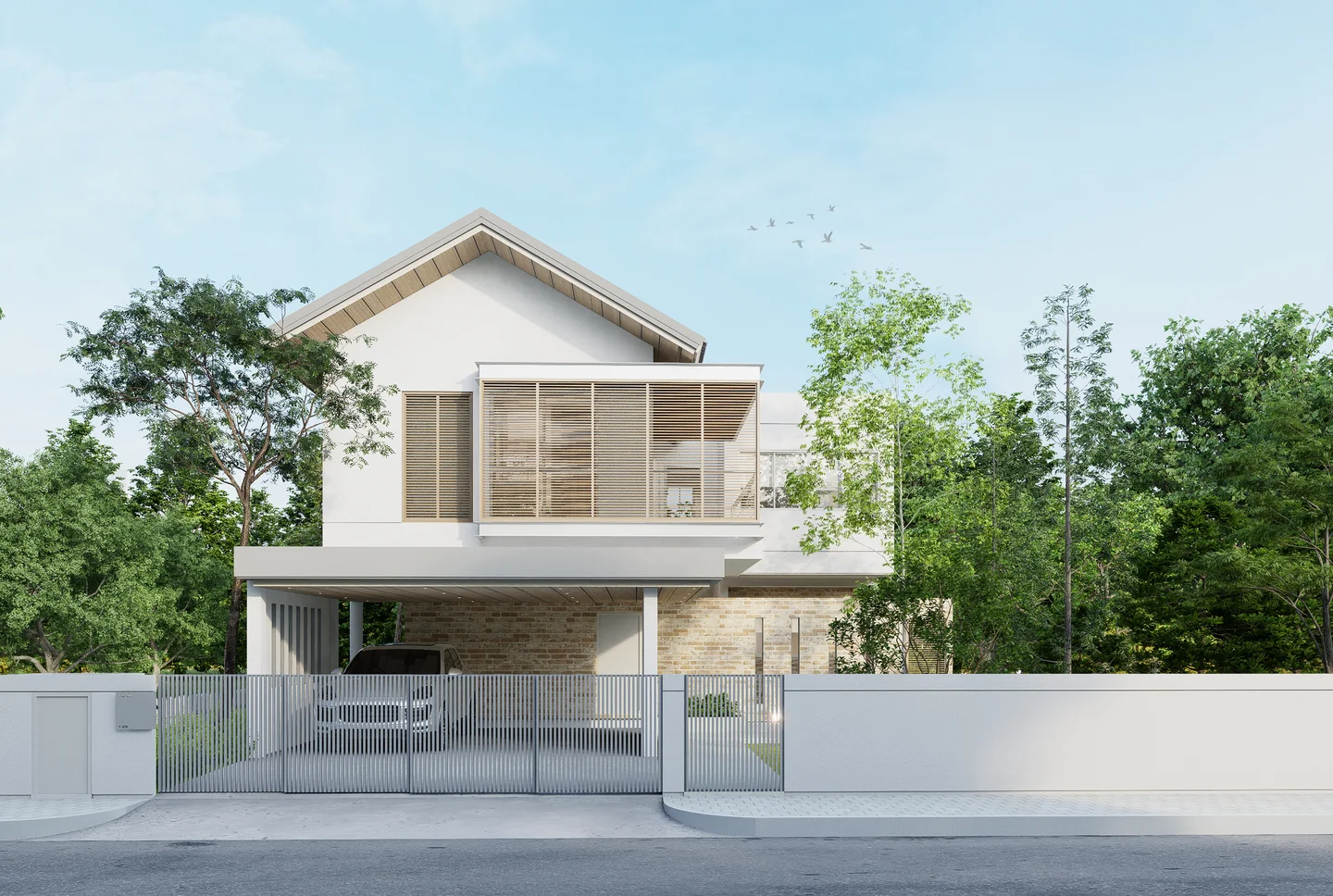
The family's use of the term Safe Zone carries a promise we must interpret with care. Feeling protected from unwanted attention is not the same as verified security, emergency access or accessible movement. None of those outcomes is guaranteed by a Feature Wall. We must therefore resist turning a personal wish into a technical claim the drawings have not established. The architectural ambition is specific and meaningful enough as it stands. The owners want the right to decide how they engage with their surroundings. The entrance should help them exercise that right without manufacturing difficulty for people they have chosen to receive.
คำว่า Safe Zone ที่เจ้าของบ้านใช้มาพร้อมความรับผิดชอบของผู้ออกแบบ เราต้องตีความมันอย่างระมัดระวัง ความรู้สึกว่าตนเองได้รับการปกป้องจากสายตาที่ไม่ต้องการไม่ใช่สิ่งเดียวกับระบบป้องกันการบุกรุกที่ผ่านการตรวจ การเข้าถึงฉุกเฉิน หรือทางเดินที่รองรับผู้ใช้ทุกลักษณะ ไม่มีผลลัพธ์ข้อใดได้รับการรับรองจาก Feature Wall เพียงอย่างเดียว เราจึงไม่ควรนำความปรารถนาส่วนตัวไปขยายเป็นคำอ้างเชิงเทคนิคที่แบบยังไม่ได้พิสูจน์ ความตั้งใจทางสถาปัตยกรรมนี้มีความหมายชัดเจนอยู่แล้ว เจ้าของต้องการสิทธิเลือกว่าจะมีความสัมพันธ์กับสิ่งรอบตัวอย่างไร และทางเข้าควรช่วยให้ใช้สิทธินั้นได้โดยไม่สร้างความลำบากให้ผู้ที่พวกเขาเลือกต้อนรับ
I would keep a record of the choices behind this entrance alongside its drawings. Which view is meant to remain private? Where should a first-time guest recognise the turn? Which conditions still need a site or technical check? Such a record would let later revisions be judged against the family's purpose, rather than against whether the wall still resembles its first presentation.
ผมอยากเก็บเหตุผลของการตัดสินใจเรื่องทางเข้าไว้ข้างแบบด้วย มุมไหนควรรักษาความเป็นส่วนตัว แขกที่มาครั้งแรกควรรู้ว่าต้องเลี้ยวตรงไหน และเงื่อนไขใดยังต้องตรวจจากที่ตั้งหรือแบบเทคนิค บันทึกนี้จะช่วยให้การปรับครั้งต่อไปถูกพิจารณาจากความต้องการของครอบครัว แทนการดูเพียงว่าผนังยังเหมือนภาพนำเสนอครั้งแรกหรือไม่
The most revealing test may take place on an unremarkable day when no one stops to praise the feature wall. The owner arrives, follows a known route and enters. An invited guest understands where to go. The room inside has not been placed on public display. If those things can coexist, the wall has done enough. Its best achievement will not be mystery. It will be the ordinary civility of allowing the people who live here to keep something to themselves and still open the door when they wish.
บททดสอบที่ชัดที่สุดอาจเกิดในวันธรรมดาซึ่งไม่มีใครหยุดชม Feature Wall เจ้าของกลับบ้าน เดินตามทางที่คุ้นเคยแล้วเข้าข้างใน แขกที่ได้รับเชิญเข้าใจว่าจะไปตรงไหน ส่วนพื้นที่ด้านในไม่ได้ถูกนำออกมาตั้งแสดงต่อสายตาสาธารณะ หากสิ่งเหล่านี้อยู่ร่วมกันได้ ผนังก็ทำหน้าที่ของมันเพียงพอแล้ว ความสำเร็จที่ดีที่สุดของมันไม่ใช่ความลึกลับ แต่เป็นมารยาทธรรมดาของสถาปัตยกรรมที่ยอมให้คนในบ้านเก็บบางเรื่องไว้กับตัว และยังเปิดประตูต้อนรับคนอื่นเมื่อปรารถนา
PROJECT CREDIT
Design Direction NATTHA / Natthapon Khemmueang
Design Development & Project Delivery Piaoform Studio