Quiet Is Not the Same as Being Left Aloneความสงบไม่ควรมีราคาเป็นการถูกทิ้งไว้ลำพัง
Written by NATTHA / Natthapon Khemmueang
Series date (assigned) ·
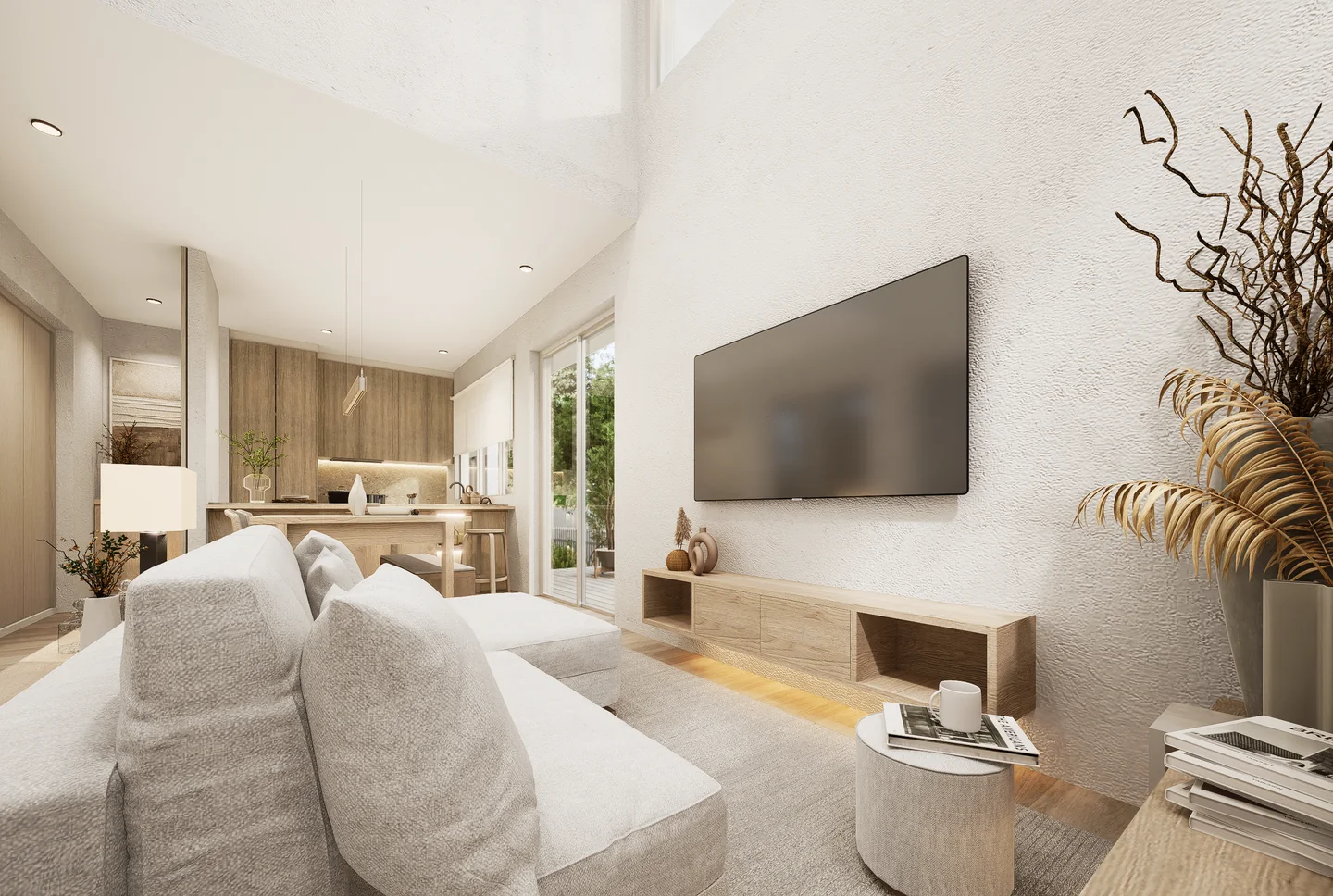
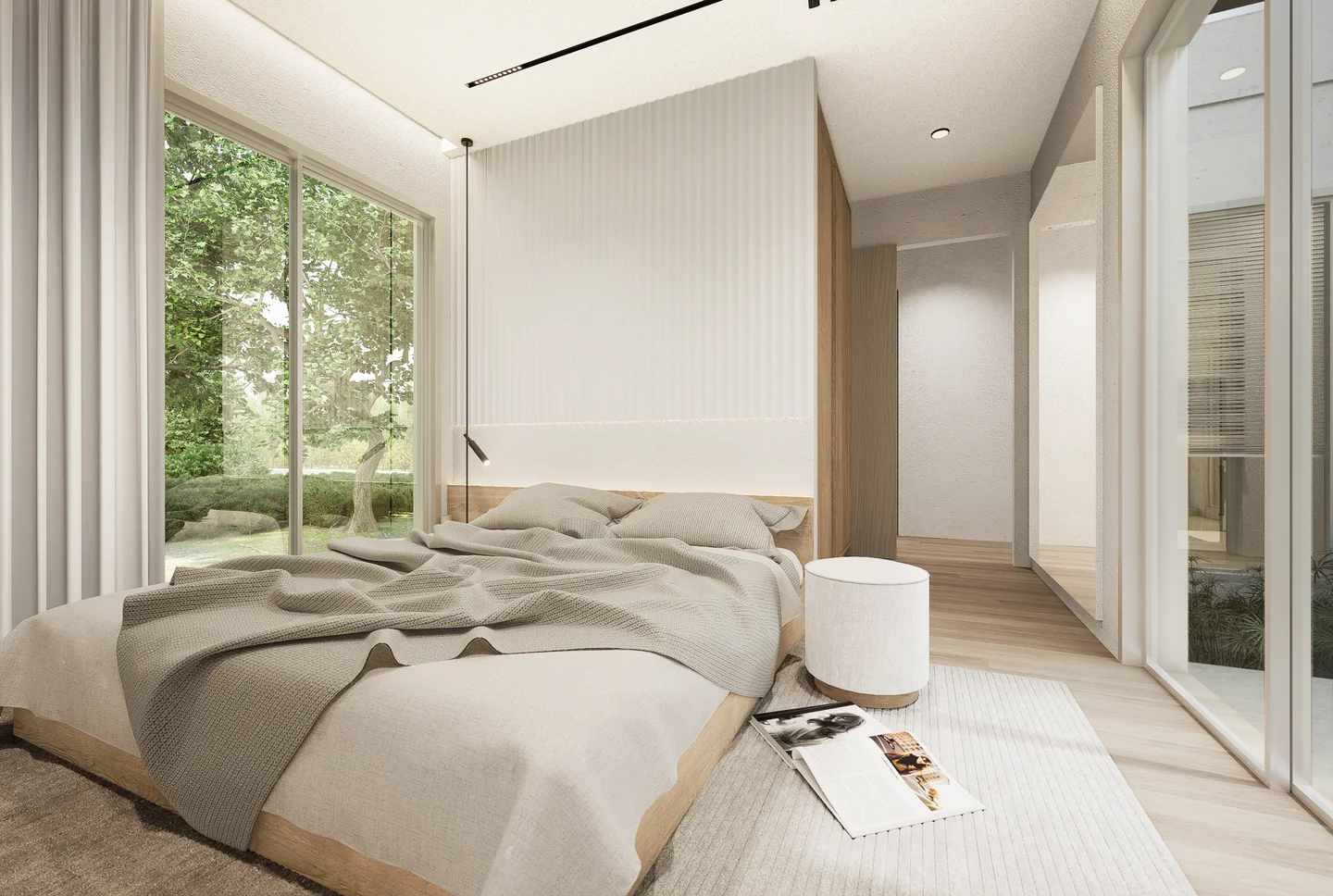
It is possible to place a room in the quietest part of a house and still misunderstand the person who will live in it. Quiet is a condition of a space. Solitude is an experience. One may be desired while the other is not, and either can change over the course of a day. In the NA KLUEA brief, the owners asked for a private, calm multipurpose room on the ground floor, capable of serving as a bedroom for an older family member. They also spoke of grandparents and children, of a common area where the younger members might read, play and do homework. The two parts of the story belong together. The room should provide a place to rest without making its occupant disappear from the life occurring elsewhere in the house.
เราสามารถวางห้องไว้ในส่วนที่สงบที่สุดของบ้าน และยังเข้าใจคนที่จะอยู่ในห้องนั้นผิดได้ ความเงียบเป็นสภาวะของพื้นที่ ส่วนการอยู่ตามลำพังเป็นประสบการณ์ คนหนึ่งอาจต้องการอย่างแรกแต่ไม่ต้องการอย่างหลัง และความต้องการนั้นเปลี่ยนไปได้ภายในวันเดียว ใน Brief ของ NA KLUEA เจ้าของบ้านต้องการห้องอเนกประสงค์ชั้นล่างที่เป็นส่วนตัวและสงบ สามารถใช้เป็นห้องนอนของสมาชิกสูงวัยได้ ขณะเดียวกันพวกเขาก็เล่าถึงคุณปู่คุณยายกับเด็กๆ และพื้นที่ส่วนกลางที่เด็กอาจมาอ่านหนังสือ เล่น หรือทำการบ้าน เรื่องสองส่วนนี้ต้องถูกอ่านร่วมกัน ห้องควรเป็นที่พักโดยไม่ทำให้เจ้าของห้องหายไปจากชีวิตที่เกิดขึ้นในส่วนอื่นของบ้าน
The word multipurpose leaves room for a conversation that the label elderly bedroom can close too quickly. A person may need a place to sleep, keep familiar possessions, receive a visitor or spend time alone. Which of these matters most cannot be decided from age alone. I would begin with the intended occupant's account wherever it is available.
คำว่าห้องอเนกประสงค์เปิดพื้นที่ให้พูดคุยต่อได้ ขณะที่ป้ายห้องผู้สูงอายุอาจรีบปิดบทสนทนานั้น คนหนึ่งอาจต้องการที่นอน ที่เก็บของคุ้นเคย ที่รับแขก หรือที่อยู่กับตัวเอง เรื่องไหนสำคัญที่สุดตัดสินจากอายุเพียงอย่างเดียวไม่ได้ ผมอยากเริ่มจากคำบอกเล่าของคนที่จะใช้ห้องเมื่อมีโอกาสรับฟัง
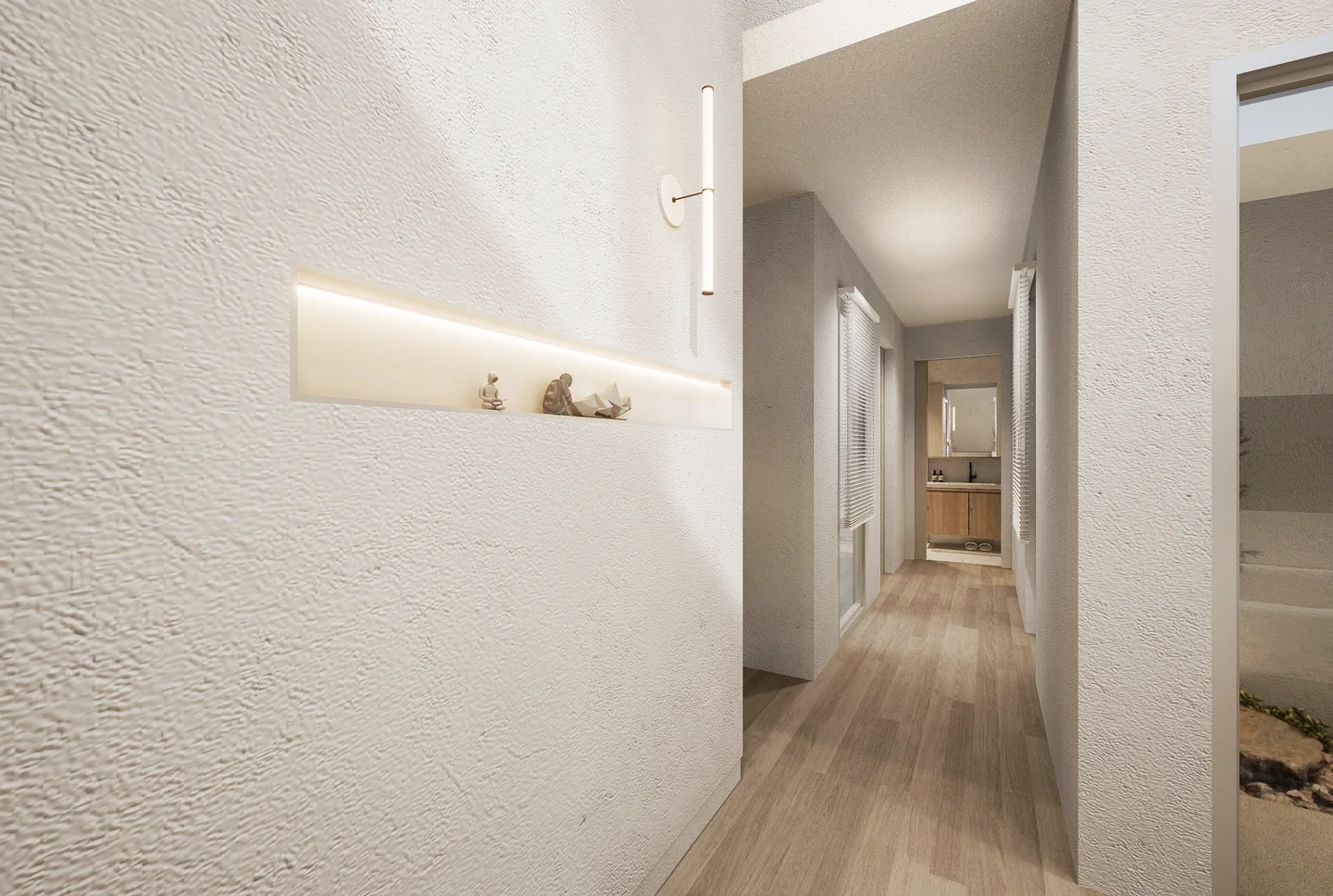
A private room is reached through a route, and that route is part of its usefulness. The corridor view asks us to look beyond the furniture of a single room. Turning, passing a doorway and returning to the shared area all belong to the experience of living here. The image offers a spatial relationship to discuss, while the intended occupant's requirements must guide the detailed checks.
ห้องส่วนตัวต้องมีเส้นทางไปถึง และเส้นทางนั้นเป็นส่วนหนึ่งของความน่าใช้ ภาพทางเดินชวนให้มองเลยเฟอร์นิเจอร์ในห้องเดียวออกไป การเลี้ยว ผ่านประตู และกลับสู่ส่วนกลางล้วนอยู่ในประสบการณ์การใช้บ้าน ภาพช่วยให้คุยเรื่องความสัมพันธ์ของพื้นที่ ส่วนความต้องการของผู้ใช้จริงต้องนำการตรวจรายละเอียด
The family's account is valuable, but it need not be the only voice in that discussion. A relative may place a high value on being nearby, while the intended occupant may care more about a particular view, a familiar chair or the ability to close the door. These are possible differences to ask about, not disagreements we have recorded. Listening separately can reveal a need that affectionate consensus overlooks.
เรื่องที่ครอบครัวเล่ามีคุณค่า แต่ไม่จำเป็นต้องเป็นเสียงเดียวในการพูดคุย ญาติอาจให้ความสำคัญกับการอยู่ใกล้กัน ขณะที่คนที่จะใช้ห้องอาจสนใจมุมมอง เก้าอี้ที่คุ้นเคย หรือการปิดประตูได้มากกว่า นี่เป็นความต่างที่อาจเกิดขึ้นและควรถาม ไม่ใช่ข้อขัดแย้งที่เราพบแล้ว การรับฟังแยกกันอาจทำให้เห็นความต้องการที่ความเห็นพ้องด้วยความห่วงใยเผลอมองข้าม
The word quiet can disguise very different wishes. A person may want to sleep without interruption, read without hearing every activity in the living room, or simply spend an afternoon without being asked what they are doing. None of these means they no longer wish to belong to the family. For NA KLUEA the owners asked for a multipurpose room in the most secluded part of the ground floor, with older members in mind. The position is a starting point, not the full account of how they may use it. We must think of the person inside as someone who can welcome company, decline company, and return to common life when they choose. A quiet room that permits only one of those choices has confused care with control.
คำว่าสงบอาจซ่อนความปรารถนาที่ต่างกันมากไว้ข้างใน คนหนึ่งอาจอยากนอนโดยไม่ถูกรบกวน อยากอ่านหนังสือโดยไม่ต้องได้ยินกิจกรรมทุกอย่างจากห้องนั่งเล่น หรือเพียงอยากมีบ่ายหนึ่งที่ไม่มีใครถามว่ากำลังทำอะไร สิ่งเหล่านี้ไม่ได้หมายความว่าเขาไม่อยากเป็นส่วนหนึ่งของครอบครัว สำหรับ NA KLUEA เจ้าของบ้านต้องการห้องอเนกประสงค์ในส่วนชั้นล่างที่แยกตัวและสงบมาก โดยนึกถึงสมาชิกสูงวัยเป็นสำคัญ แต่ตำแหน่งเป็นเพียงจุดตั้งต้น ไม่ได้อธิบายทั้งหมดว่าท่านจะใช้ห้องอย่างไร เราต้องมองคนในห้องเป็นคนที่สามารถต้อนรับ ปฏิเสธการรบกวน และกลับออกมาร่วมชีวิตส่วนกลางเมื่อเลือกได้ ห้องที่สงบแต่ให้ทางเลือกได้เพียงอย่างเดียวกำลังสับสนระหว่างการดูแลกับการควบคุม
We tend to speak about older occupants in the passive voice. They are to be looked after, helped, protected, placed in a comfortable room. Those intentions may be well meant, yet the language easily removes their own agency. A grandparent may want to spend an afternoon with the children, or may prefer a closed door and a book. They might wish to join dinner and leave before the conversation ends. None of these choices is a special exception to being older. They are ordinary expressions of having a life. I would want the room to make such choices practical, and I would want its eventual arrangement tested against the actual needs of the person using it rather than a general image of what old age ought to look like.
เรามักพูดถึงผู้สูงวัยด้วยภาษาที่ให้พวกเขาเป็นฝ่ายรับ คนอื่นต้องดูแล ช่วยเหลือ ปกป้อง และจัดห้องที่สบายให้ ความตั้งใจอาจดี แต่คำเหล่านี้ทำให้สิทธิในการเลือกของเจ้าตัวหายไปจากภาพได้ง่าย คุณปู่คุณยายอาจอยากใช้เวลาบ่ายกับหลาน หรืออยากปิดประตูอ่านหนังสือ อาจมาร่วมกินข้าวและขอตัวก่อนบทสนทนาจบ ไม่มีทางเลือกใดเป็นข้อยกเว้นประหลาดของความสูงวัย มันเป็นเรื่องธรรมดาของการมีชีวิต ผมอยากให้ห้องรองรับการเลือกเหล่านี้ได้จริง และอยากให้การจัดวางในที่สุดถูกทดสอบจากความต้องการเฉพาะของผู้ที่ใช้ห้อง มากกว่าภาพทั่วไปว่าคนสูงวัยควรอยู่แบบไหน
Ordinary choices become clearer when described as actions. The occupant may want to open a door, reach a switch, put down a book or ask someone to come in. I would use these actions to test an arrangement rather than start with an image of passive care. Their ease depends on the particular person and the coordinated details, including lighting, furniture and the space around them.
ทางเลือกธรรมดาจะชัดขึ้นเมื่ออธิบายเป็นการกระทำ ผู้ใช้อาจอยากเปิดประตู เอื้อมถึงสวิตช์ วางหนังสือ หรือเรียกใครเข้ามา ผมอยากใช้การกระทำเหล่านี้ทดสอบการจัดวาง แทนการเริ่มจากภาพคนที่รอรับการดูแลอย่างเดียว ความสะดวกขึ้นอยู่กับแต่ละบุคคลและรายละเอียดที่ต้องประสานกัน ทั้งแสง เฟอร์นิเจอร์ และพื้นที่รอบตัว
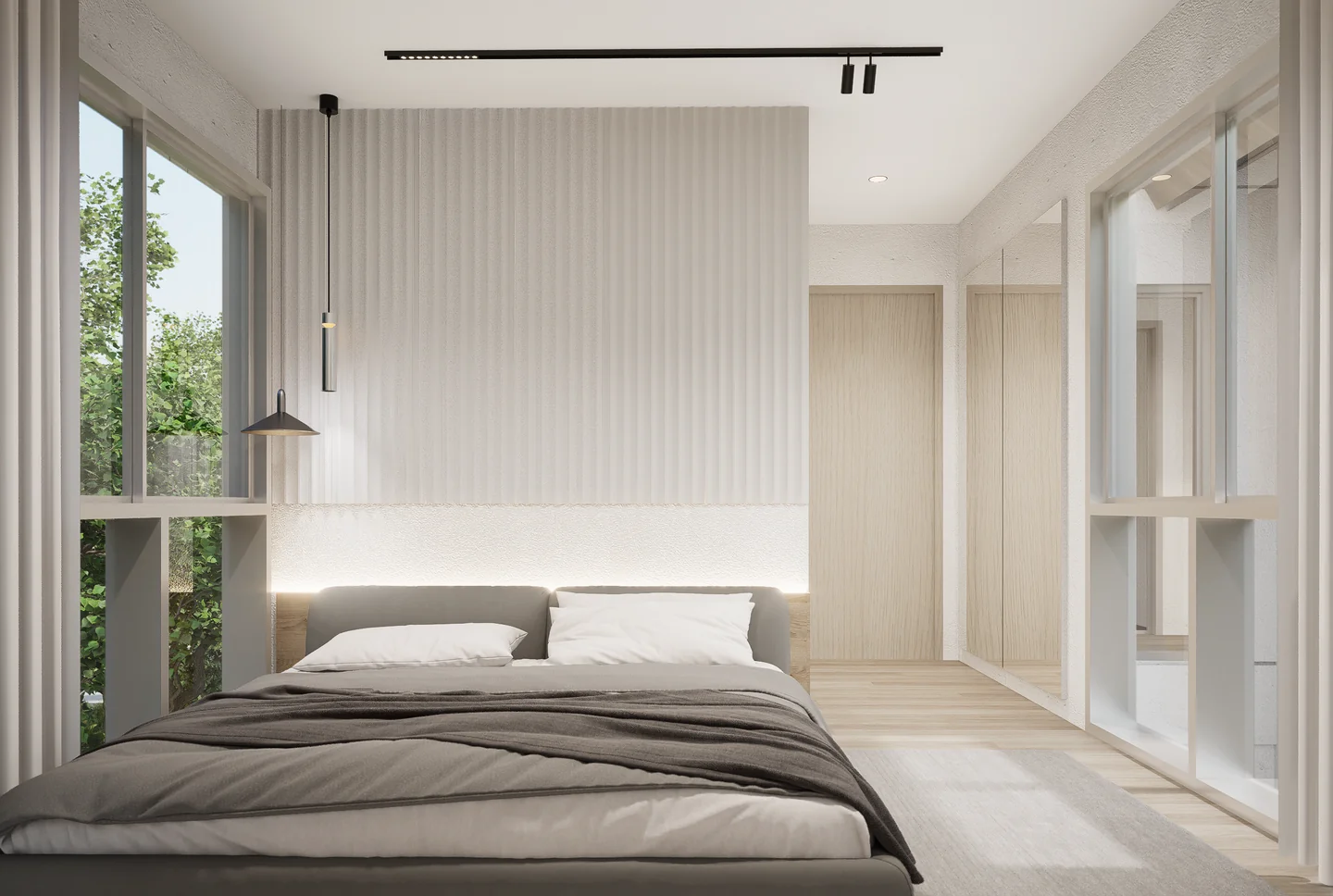
The relationship between a quiet bedroom and a lively common area is a problem of distance with more than one answer. Too close, and sounds from homework, conversation or play may intrude on rest. Too remote, and a short visit to the family might become an unwanted effort. The plan cannot solve the matter by demanding perfect behaviour from everybody. Children will not always be silent. A grandparent should not always have to endure disturbance. We need to examine positions, intervening spaces, doors, routes and the possibility of changing one's level of participation. A respectful layout reduces the number of moments when family members must apologise for activities that are normal in their own home.
ความสัมพันธ์ระหว่างห้องสงบกับส่วนกลางที่มีชีวิตชีวาเป็นเรื่องระยะทางซึ่งมีคำตอบมากกว่าหนึ่ง ใกล้เกินไป เสียงทำการบ้าน สนทนา หรือเล่นอาจรบกวนการพัก ไกลเกินไป การออกมาพบคนในครอบครัวเพียงครู่เดียวอาจกลายเป็นภาระ ผังไม่สามารถแก้เรื่องนี้ด้วยการเรียกร้องให้ทุกคนทำตัวสมบูรณ์แบบ เด็กไม่ได้เงียบตลอดเวลา และผู้สูงอายุก็ไม่ควรต้องทนรับการรบกวนทุกครั้ง เราต้องตรวจตำแหน่ง พื้นที่คั่น ประตู เส้นทาง และความเป็นไปได้ที่จะเลือกเข้าร่วมกิจกรรมในระดับต่างกัน ผังที่เคารพคนช่วยลดจำนวนครั้งที่สมาชิกต้องกล่าวขอโทษกันเพียงเพราะกำลังทำเรื่องธรรมดาอยู่ในบ้านของตนเอง
The word safe needs more precision than the word quiet. A room with a sheltered feeling does not automatically provide safe movement. Door width, bathroom distance, level changes, lighting, floor finishes and emergency access have physical consequences. The eventual occupant's mobility, preferences and daily needs are not established merely by their age. They should be discussed and verified through the coordinated design. It would be a disservice to use a tender story about grandparents as a substitute for that work. What makes care credible is not the number of times we say the room is thoughtful. It is whether the small acts the room requires can be performed with the least unnecessary difficulty.
คำว่าปลอดภัยต้องแม่นยำกว่าคำว่าสงบ ห้องที่ให้ความรู้สึกได้รับการปกป้องไม่ได้แปลว่าการเคลื่อนไหวภายในปลอดภัยโดยอัตโนมัติ ความกว้างประตู ระยะถึงห้องน้ำ ระดับพื้นที่ต่างกัน แสง ผิวพื้น และการเข้าถึงเมื่อมีเหตุฉุกเฉินล้วนมีผลทางกายภาพ ความสามารถในการเดิน ความชอบ และกิจวัตรของเจ้าของห้องไม่อาจอนุมานจากอายุได้เพียงอย่างเดียว เรื่องเหล่านี้ต้องพูดคุยและตรวจด้วยแบบประสานงานจริง เราจะทำร้ายความตั้งใจของโครงการเสียเอง หากใช้เรื่องเล่าอ่อนโยนของคุณปู่คุณยายมาทดแทนงานนั้น สิ่งที่ทำให้คำว่าดูแลน่าเชื่อถือไม่ใช่จำนวนครั้งที่บอกว่าห้องได้รับการคิดอย่างใส่ใจ แต่เป็นการที่กิจกรรมเล็กๆ ในห้องเกิดขึ้นได้โดยไม่ต้องใช้แรงเกินจำเป็น
The bathroom makes independence particularly concrete. Reaching it, finding the things one uses and maintaining privacy are everyday acts with consequences for dignity. The bathroom image can start a discussion about arrangement, but it cannot establish suitability for a particular older resident. That requires their needs and the relevant technical details to be reviewed together.
ห้องน้ำทำให้เรื่องการพึ่งตัวเองเป็นรูปธรรมมากขึ้น การไปถึง หาของที่ใช้เจอ และรักษาความเป็นส่วนตัวเป็นกิจวัตรที่เกี่ยวกับศักดิ์ศรี ภาพห้องน้ำช่วยเริ่มคุยเรื่องการจัดวางได้ แต่ไม่ยืนยันว่าเหมาะกับผู้สูงวัยคนใดคนหนึ่ง ต้องนำความต้องการของบุคคลนั้นมาตรวจร่วมกับรายละเอียดเทคนิคที่เกี่ยวข้อง
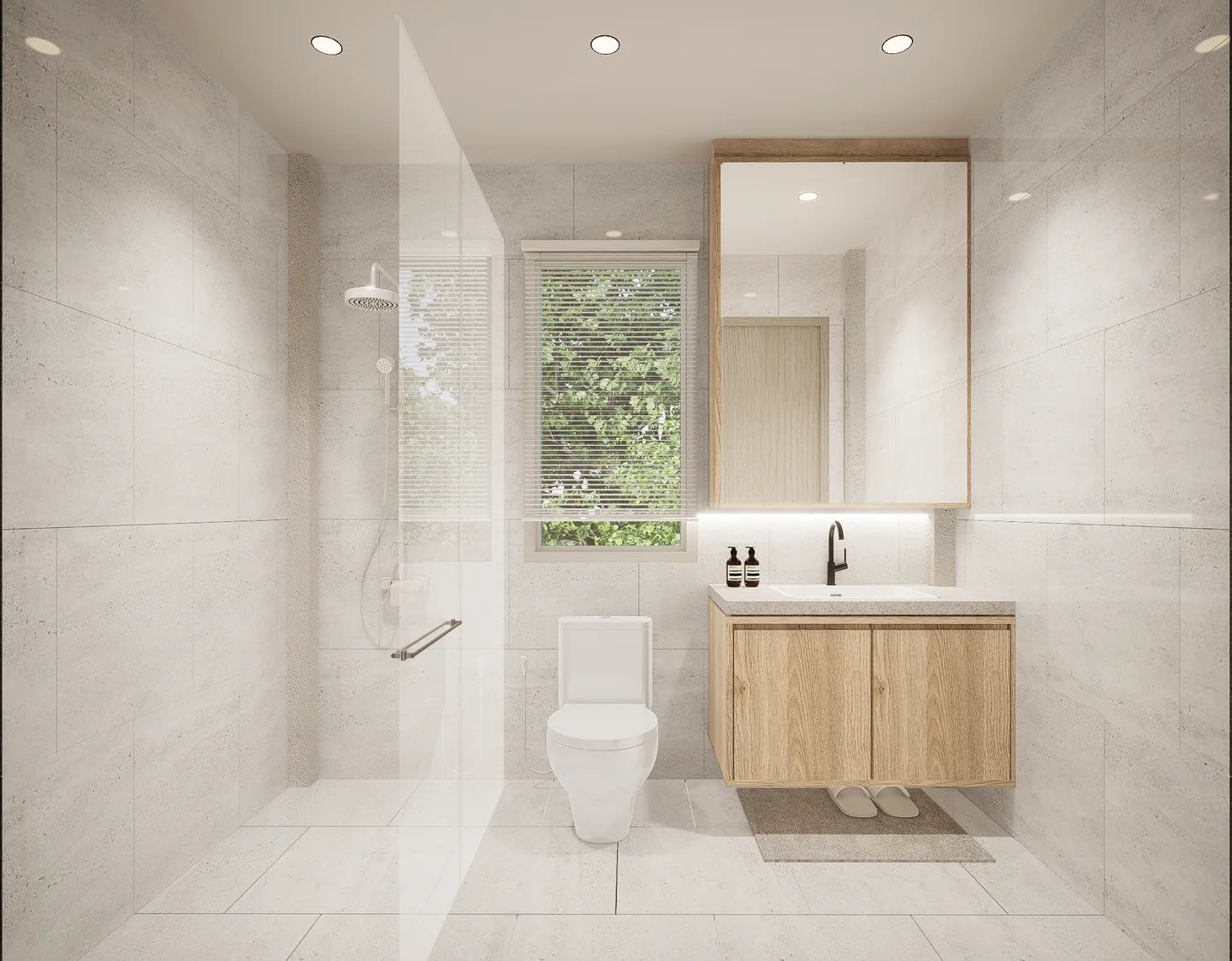
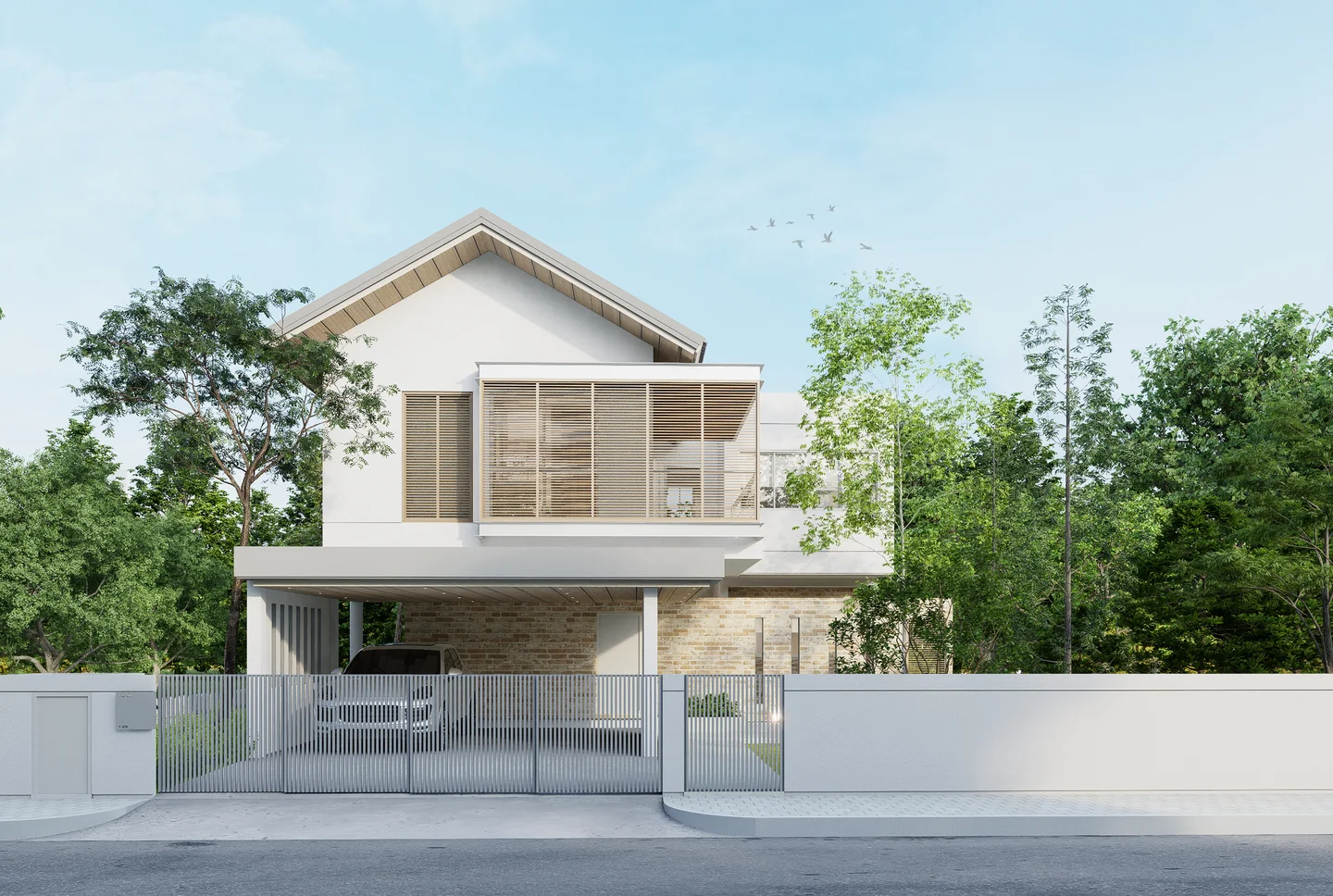
There is also dignity in not being constantly observed. A family may want to be available for an older member without turning care into continuous surveillance. The ability to close a door, keep belongings in a chosen arrangement, have quiet without explanation and still call upon others when needed is part of private life. The architecture can support this through boundaries and practical access, although the actual way people care for one another will be decided by them. This is another form of the Safe Zone described at NA KLUEA, but at the scale of one person within the household rather than the household facing the street.
ยังมีศักดิ์ศรีในการไม่ถูกเฝ้ามองตลอดเวลาด้วย ครอบครัวอาจอยากดูแลสมาชิกสูงวัยโดยไม่เปลี่ยนความห่วงใยให้กลายเป็นการเฝ้าสังเกตทุกกิจกรรม ความสามารถในการปิดประตู จัดสิ่งของตามใจ มีเวลาสงบโดยไม่ต้องอธิบาย และยังเรียกหาคนอื่นได้เมื่อจำเป็น เป็นส่วนหนึ่งของชีวิตส่วนตัว สถาปัตยกรรมช่วยสนับสนุนผ่านขอบเขตและเส้นทางที่ใช้งานได้ ส่วนวิธีดูแลกันจริงเป็นเรื่องที่สมาชิกต้องเลือกเอง นี่เป็น Safe Zone อีกระดับหนึ่งของ NA KLUEA แต่ไม่ได้อยู่ตรงขอบบ้านที่หันไปสู่ถนน หากอยู่ที่ชีวิตของคนคนเดียวภายในครอบครัว
Needs may change after a room has been arranged. A piece of furniture may become inconvenient, or assistance may be wanted at a time when it was not needed before. I would want later adjustments to be discussed with the resident rather than treated as proof that their earlier choices were mistaken. Care remains a conversation, even when some of its supports have been built into the house.
ความต้องการอาจเปลี่ยนหลังจัดห้องแล้ว เฟอร์นิเจอร์ชิ้นหนึ่งอาจเริ่มใช้งานไม่สะดวก หรืออาจต้องการความช่วยเหลือในช่วงที่แต่ก่อนไม่เคยต้องใช้ ผมอยากให้การปรับภายหลังเกิดจากการคุยกับผู้พักอาศัย ไม่ใช่ถือเป็นหลักฐานว่าการเลือกครั้งก่อนของเขาผิด การดูแลยังต้องเป็นบทสนทนา แม้สิ่งรองรับบางส่วนจะถูกสร้างไว้ในบ้านแล้วก็ตาม
It seems to me that a good room for an older person should be neither a display of care nor a discreet place to put someone out of the way. Its position should make rest possible and return possible. Some mornings the door may stay shut. At other times, the person who lives there may choose to enter the room where the children are working. We have not observed those future moments. They are possibilities raised by the family's account, and they give us criteria by which to develop the plan. The most respectful outcome may be that nobody notices how carefully those choices have been supported, because choosing has remained an ordinary part of the resident's day.
ผมคิดว่าห้องที่ดีสำหรับสมาชิกสูงวัยไม่ควรเป็นทั้งเวทีแสดงความห่วงใยหรือมุมที่ค่อยๆ แยกใครออกไปให้พ้นทาง ตำแหน่งห้องควรเปิดให้พักได้และกลับมาพบคนได้ บางเช้าประตูอาจปิดอยู่ตลอด บางเวลาเจ้าของห้องอาจเลือกเดินออกมายังบริเวณที่เด็กกำลังทำงาน เราไม่ได้เห็นเหตุการณ์อนาคตเหล่านี้เกิดขึ้นแล้ว มันเป็นความเป็นไปได้ที่เกิดจากเรื่องครอบครัวเล่า และช่วยให้เรามีเกณฑ์พัฒนาผัง ผลลัพธ์ที่เคารพคนที่สุดอาจเป็นวันที่ไม่มีใครสังเกตเลยว่าทางเลือกเหล่านี้ถูกเตรียมไว้อย่างละเอียดเพียงใด เพราะการเลือกยังคงเป็นเรื่องธรรมดาของคนในห้อง
PROJECT CREDIT
Design Direction NATTHA / Natthapon Khemmueang
Design Development & Project Delivery Piaoform Studio