More Than One Afternoon in a Single Roomหนึ่งห้องกับบ่ายที่ไม่ได้มีจังหวะเดียว
Written by NATTHA / Natthapon Khemmueang
Series date (assigned) ·
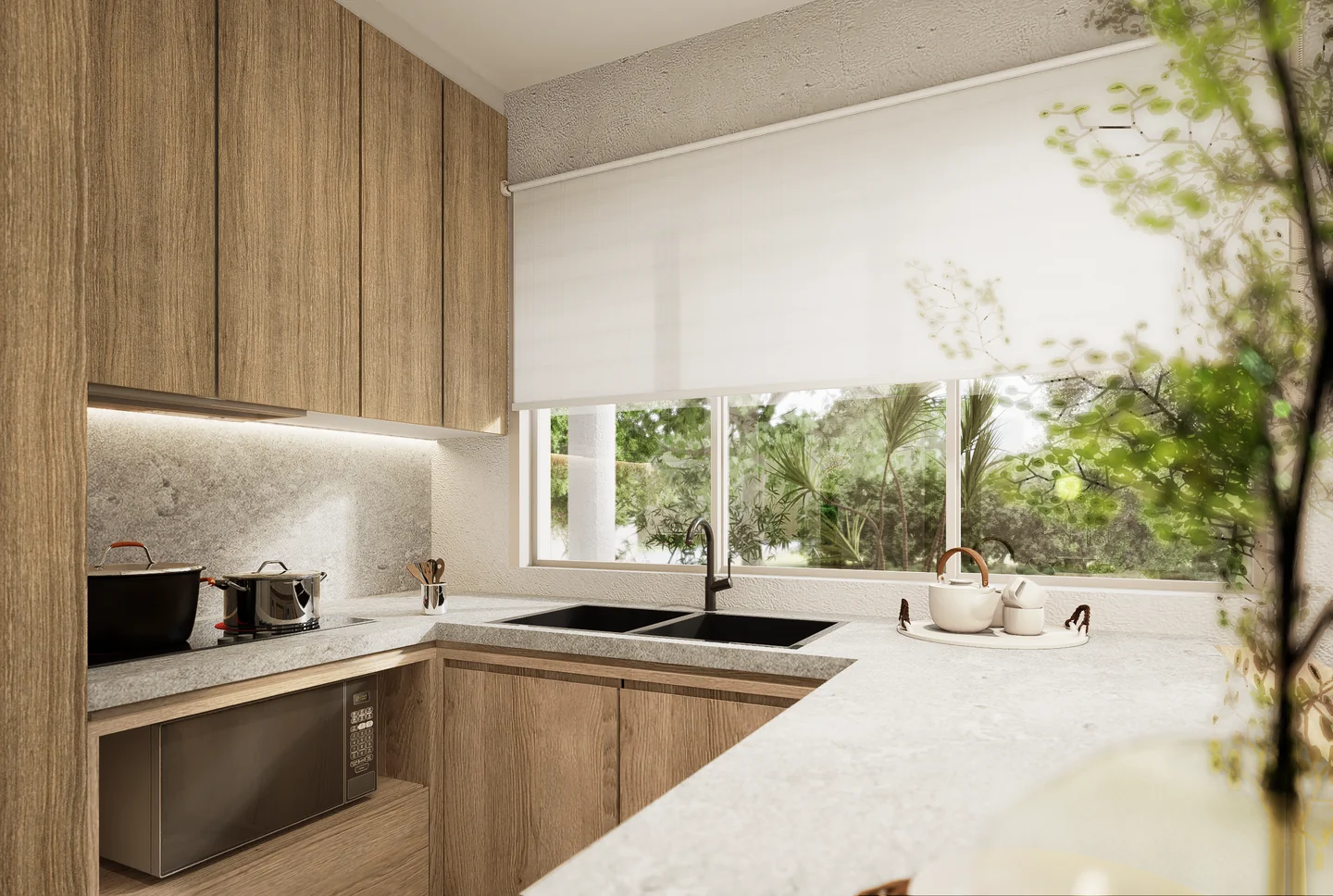
A dining table can spend an entire afternoon being used without anyone eating at it. That is one of the facts about domestic life that a room schedule rarely records. It may hold a notebook, a cup, a child's unfinished drawing or things set down temporarily after someone arrives. None of these objects establishes how the future residents of NA KLUEA will use their table. They are ways of asking a design question drawn from the owner's brief. If children are expected to do homework and play in the shared area while adults move between cooking, dining and rest, what must the room allow to happen at the same time? The answer is not simply a larger living room. It is a different understanding of what sharing means.
โต๊ะกินข้าวอาจถูกใช้งานตลอดบ่ายโดยไม่มีใครนั่งกินอะไรเลย นี่เป็นข้อเท็จจริงของชีวิตในบ้านที่รายการห้องแทบไม่เคยบันทึก บนโต๊ะอาจมีสมุด ถ้วยน้ำ ภาพวาดที่เด็กยังทำไม่เสร็จ หรือของที่ใครบางคนวางพักไว้หลังกลับมา สิ่งของเหล่านี้ไม่ได้ยืนยันว่าครอบครัว NA KLUEA จะใช้โต๊ะอย่างนั้นจริง มันเป็นวิธีตั้งคำถามต่อการออกแบบจาก Brief ที่ได้รับฟัง หากเด็กๆ ต้องใช้ส่วนกลางทำการบ้านและเล่น ขณะที่ผู้ใหญ่เดินสลับระหว่างครัว โต๊ะอาหาร และมุมพัก ห้องนั้นต้องอนุญาตให้อะไรเกิดขึ้นพร้อมกันได้บ้าง คำตอบไม่ใช่เพียงทำห้องนั่งเล่นให้ใหญ่ขึ้น แต่เป็นการเข้าใจคำว่าใช้ร่วมกันเสียใหม่
Different activities occupy more than floor area. A conversation carries sound, a screen catches the eye and a person passing a chair can interrupt concentration. I would map these demands alongside furniture. Two uses that fit comfortably on a drawing may still compete for attention, so the common room needs positions with different degrees of exposure to activity.
กิจกรรมแต่ละอย่างไม่ได้ใช้เพียงพื้นที่บนพื้น บทสนทนามีเสียง หน้าจอดึงสายตา และคนที่เดินผ่านเก้าอี้อาจขัดจังหวะสมาธิ ผมอยากวางความต้องการเหล่านี้ลงในผังพร้อมเฟอร์นิเจอร์ การใช้สองอย่างอาจวางลงในแบบได้พอดีแต่ยังแย่งความสนใจกัน ส่วนกลางจึงควรมีตำแหน่งที่รับกิจกรรมรอบตัวมากน้อยต่างกัน
The living-room view gives us several edges to examine rather than one undivided centre. A seat beside a route has a different relationship to movement from a seat farther away. The orientation of a chair can invite conversation or let someone look elsewhere. These small differences are useful design tools when several people share a room without sharing one task.
ภาพห้องนั่งเล่นทำให้เราพิจารณาขอบพื้นที่หลายด้านแทนการมองเพียงศูนย์กลางเดียว ที่นั่งข้างทางเดินสัมพันธ์กับการเคลื่อนที่ต่างจากที่นั่งที่ถอยออกมา ทิศทางของเก้าอี้อาจชวนคุยหรือเปิดให้คนหันไปมองอย่างอื่น ความต่างเล็กๆ เหล่านี้เป็นเครื่องมือออกแบบที่มีประโยชน์เมื่อหลายคนใช้ห้องร่วมกันแต่ไม่ได้ทำงานเดียวกัน
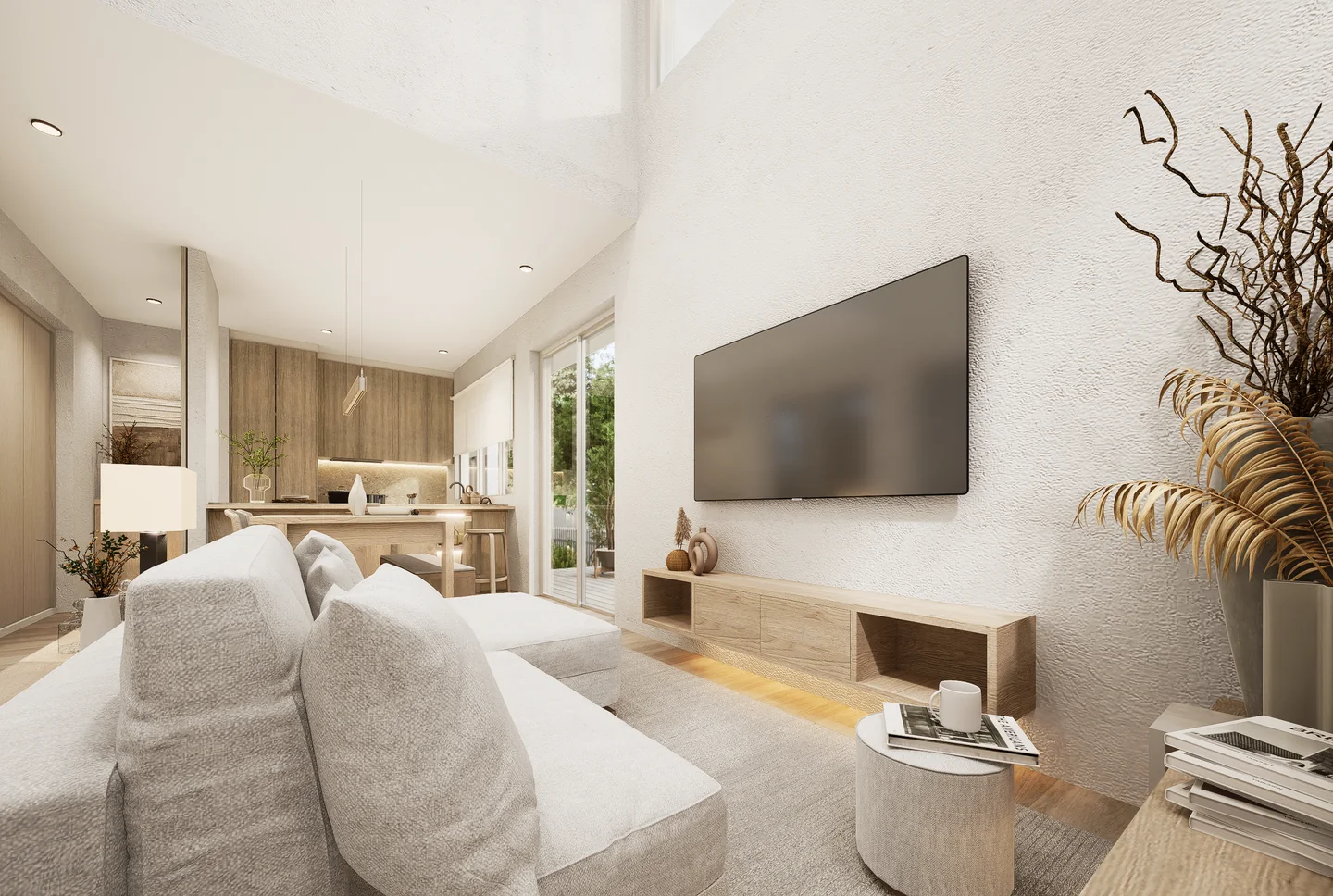
No one activity should quietly take ownership of the whole room. If every chair faces one screen, another use may have to ask permission to coexist. That does not make a television or a conversation undesirable. It asks us to consider whether the arrangement leaves a second plausible way to occupy the space, especially for someone who wants company without becoming the centre of it.
ไม่ควรมีกิจกรรมใดครอบครองทั้งห้องโดยไม่มีใครทันสังเกต หากทุกที่นั่งหันไปหาหน้าจอเดียว การใช้อย่างอื่นอาจต้องขออนุญาตจึงจะอยู่ร่วมได้ นี่ไม่ได้หมายความว่าโทรทัศน์หรือบทสนทนาเป็นสิ่งไม่ดี แต่ชวนดูว่าการจัดวางยังเหลือวิธีใช้พื้นที่แบบอื่นที่เป็นไปได้หรือไม่ โดยเฉพาะสำหรับคนที่อยากอยู่ใกล้คนอื่นแต่ไม่อยากเป็นจุดสนใจ
The room schedule gives this stretch of the house the familiar names of kitchen, dining and living. It does not record the different clocks that will be operating inside it. A child may need an hour of concentration. Someone preparing a meal may be occupied for a different duration. A conversation can begin unexpectedly and end before either person has moved from a chair. Sharing an address is not the same as sharing a timetable. At NA KLUEA the continuous arrangement between two gardens is a proposal to accommodate these overlapping durations, not an instruction that the family should constantly perform togetherness. The challenge is to preserve enough connection for incidental meetings while recognising that proximity can also disturb.
รายการห้องเรียกแนวยาวของบ้านนี้ด้วยชื่อที่คุ้นเคย ครัว ห้องกินข้าว และห้องนั่งเล่น แต่ไม่ได้บันทึกนาฬิกาหลายเรือนที่เดินอยู่ภายใน เด็กคนหนึ่งอาจต้องการสมาธิต่อเนื่องหนึ่งชั่วโมง คนทำกับข้าวใช้เวลาคนละช่วง บทสนทนาบางครั้งเริ่มโดยไม่ได้นัดและจบก่อนใครจะลุกจากเก้าอี้ การอยู่ที่บ้านหลังเดียวกันไม่ได้หมายถึงการใช้ตารางเวลาเดียวกัน ผังต่อเนื่องระหว่างสวนสองฝั่งของ NA KLUEA จึงเป็นข้อเสนอให้เวลาหลากชนิดเหล่านี้อยู่ร่วมกัน ไม่ใช่คำสั่งให้ครอบครัวต้องแสดงความใกล้ชิดตลอดเวลา ความยากคือรักษาความต่อเนื่องพอให้การพบกันเกิดขึ้นเอง โดยยอมรับด้วยว่าความใกล้สามารถรบกวนกันได้
The plan joins the kitchen, dining and living areas along a continuing band, with gardens on both sides. Drawn from above, the arrangement appears straightforward. What happens inside it is anything but a single straight line. One person may want to remain near a family conversation without participating. Another may be absorbed in work and notice only that somebody has passed behind the chair. A child may move between tasks more often than an adult would prefer. The shared room needs to acknowledge these different rhythms. Connection should be available, not compulsory. The intention is to let members meet when they wish without requiring all of them to spend an afternoon in the same emotional key.
ผังบ้านวางครัว พื้นที่กินข้าว และห้องนั่งเล่นต่อเนื่องกันไปตามแนวยาว โดยมีสวนขนาบอยู่สองฝั่ง เมื่อมองจากด้านบน การจัดวางอาจดูตรงไปตรงมา แต่สิ่งที่เกิดขึ้นในนั้นไม่ได้เคลื่อนเป็นเส้นเดียว คนหนึ่งอาจอยากอยู่ใกล้วงสนทนาโดยไม่เข้าร่วม อีกคนจดจ่อกับงานจนเพียงรับรู้ว่ามีใครเดินผ่านหลังเก้าอี้ เด็กอาจเปลี่ยนจากกิจกรรมหนึ่งไปอีกอย่างบ่อยกว่าที่ผู้ใหญ่ต้องการ ห้องส่วนกลางจึงต้องยอมรับจังหวะที่ไม่เท่ากัน การเชื่อมถึงกันควรเป็นสิ่งที่เลือกได้ ไม่ใช่ข้อบังคับ ความตั้งใจคือให้สมาชิกพบกันได้เมื่ออยากพบ โดยไม่ต้องให้ทุกคนใช้เวลาบ่ายอยู่ในอารมณ์เดียวกัน
The open plan has an appealing reputation. It is often credited with making families closer, as though the removal of a partition could repair differences in temperament or remove the need for personal boundaries. A wall does not create affection, but neither does its absence. Indeed, openness may expose someone to more noise, movement and interruption. A person concentrating on a book may experience the same spatial continuity very differently from somebody chatting nearby. I would not promise that this room will make the family more intimate. I would say instead that the arrangement gives us a framework for studying how several ordinary activities can occupy adjacent places without continually obstructing one another.
ผังเปิดโล่งมีชื่อเสียงที่ชวนให้เชื่อว่ามันทำให้ครอบครัวใกล้ชิดกันขึ้น ราวกับการเอาผนังออกสามารถซ่อมความแตกต่างของนิสัยหรือทำให้คนไม่ต้องการขอบเขตส่วนตัวอีกต่อไป ผนังไม่ได้สร้างความรัก และการไม่มีผนังก็ไม่ได้ทำเช่นนั้นเหมือนกัน ที่จริงความเปิดโล่งอาจพาเสียง การเคลื่อนไหว และการรบกวนเข้ามามากขึ้นด้วย คนที่กำลังมีสมาธิกับหนังสืออาจรับรู้ความต่อเนื่องของพื้นที่ไม่เหมือนกับคนที่กำลังคุยสนุกอยู่ข้างๆ ผมจึงไม่อยากรับรองว่าห้องนี้จะทำให้ครอบครัวสนิทกันกว่าเดิม แต่อยากบอกว่าผังดังกล่าวเปิดโอกาสให้เราศึกษาว่ากิจกรรมธรรมดาหลายชนิดจะอยู่ใกล้กันได้อย่างไร โดยไม่ต้องขัดขวางกันอยู่เสมอ
Leaving something unfinished is another test of sharing. A notebook left on a table occupies a little space after its user has gone elsewhere. Removing it immediately may interrupt the work, while leaving everything indefinitely would prevent the next activity. A nearby place for temporary storage could ease this transition. Its position matters as much as its size, because putting things away should not become a journey through the house.
การวางงานที่ยังไม่เสร็จเป็นอีกบททดสอบของพื้นที่ร่วม สมุดที่เปิดไว้บนโต๊ะยังใช้พื้นที่เล็กน้อยแม้เจ้าของลุกไปที่อื่น การเก็บทันทีอาจขัดงาน แต่การปล่อยทุกอย่างไว้ตลอดก็ขวางกิจกรรมถัดไป ที่พักเก็บของชั่วคราวใกล้ๆ อาจช่วยช่วงเปลี่ยนผ่านนี้ได้ ตำแหน่งสำคัญพอๆ กับขนาด เพราะการเก็บของไม่ควรกลายเป็นการเดินข้ามบ้าน
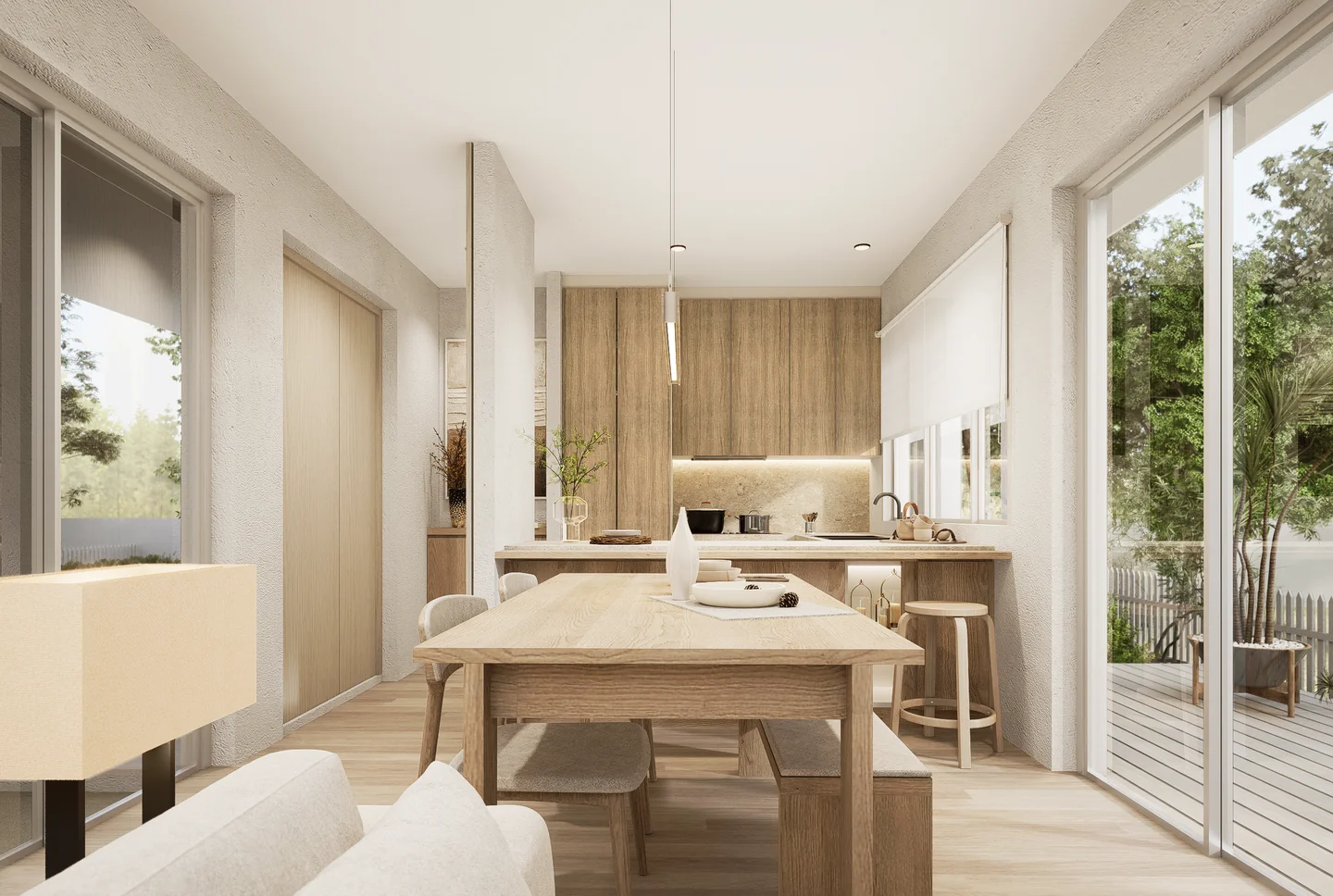
Furniture will do a good deal of the work that broad architectural descriptions tend to overlook. Where will a chair be pulled back from the table? Can another person pass while someone remains seated? Does a child's work spread into a route that ought to be kept clear? What happens when guests are present while food is being prepared? Those questions are unlikely to produce the most dramatic render, but they determine whether a shared space feels generous or continuously negotiable. Some negotiation is part of family life. The aim is not to remove it, which no floor plan can do, but to avoid turning every ordinary movement into a request for somebody else to move out of the way.
เฟอร์นิเจอร์จะรับหน้าที่อีกมากซึ่งคำอธิบายสถาปัตยกรรมกว้างๆ มักไม่กล่าวถึง เก้าอี้ต้องดึงออกจากโต๊ะตรงไหน คนอื่นยังเดินผ่านได้ไหมเมื่อมีคนนั่งอยู่ งานของเด็กจะลามเข้ามาบนเส้นทางที่ต้องเปิดไว้หรือเปล่า แล้ววันมีแขกขณะคนในครัวกำลังทำอาหารจะจัดการอย่างไร คำถามเหล่านี้อาจไม่สร้างภาพเรนเดอร์ที่น่าตื่นเต้นที่สุด แต่มันกำหนดว่าพื้นที่ส่วนกลางจะให้ความรู้สึกกว้างขวางหรือทำให้ทุกคนต้องเจรจากันตลอดเวลา การประนีประนอมเป็นส่วนหนึ่งของชีวิตครอบครัวอยู่แล้ว เราไม่ได้หวังจะลบมัน เพราะไม่มีผังใดทำได้ เพียงไม่อยากให้ทุกการเคลื่อนไหวธรรมดาต้องเริ่มด้วยการขอให้อีกคนหลบทาง
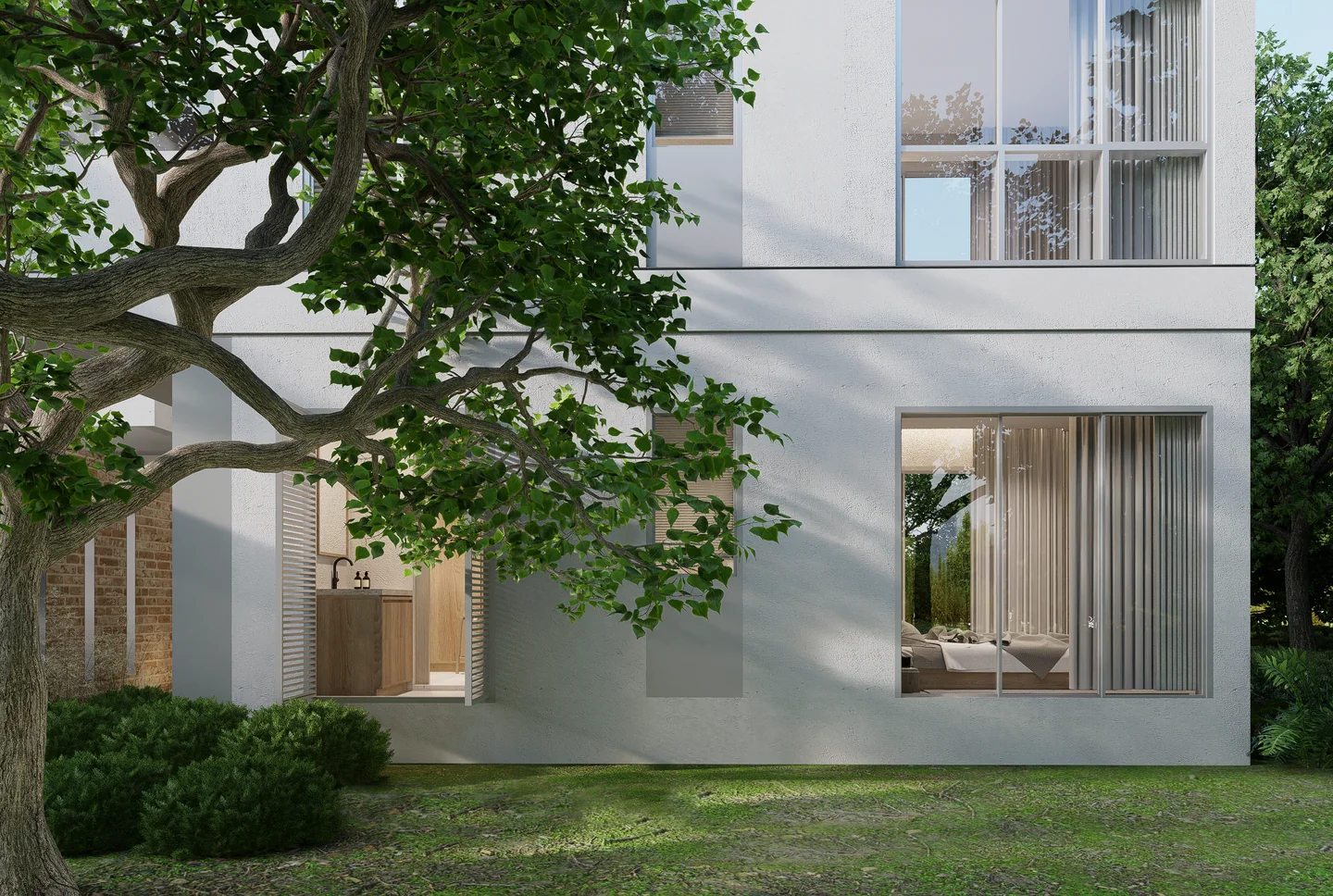
The two gardens offer the room another kind of company. They do not speak or demand participation. They can be visible through closed glass when somebody has no interest in stepping outside. When conditions are suitable, the sliding openings are intended to allow closer contact with the landscape on both sides. Whether that produces comfortable airflow is a technical question requiring further evidence. Still, I find the choice itself meaningful. The family can turn towards the outside, withdraw from it, or remain indoors while keeping it in view. Nature need not be recruited into a constant programme of wellness activities to have a place in ordinary life.
สวนทั้งสองฝั่งให้ความใกล้ชิดอีกชนิดหนึ่งแก่ห้องนี้ มันไม่พูดและไม่เรียกร้องให้ใครเข้าร่วมกิจกรรม คนในบ้านอาจมองเห็นสวนผ่านกระจกที่ปิดอยู่ โดยไม่มีความต้องการเดินออกไปเลย ในวันที่สภาพอากาศเหมาะสม ประตูบานเลื่อนที่ออกแบบไว้ตั้งใจให้พื้นที่ภายในสัมพันธ์กับสวนสองด้านมากขึ้น ส่วนจะเกิดการระบายอากาศที่สบายจริงเพียงใดเป็นคำถามทางเทคนิคที่ยังต้องพิสูจน์ แต่ผมเห็นคุณค่าในทางเลือกนั้น ครอบครัวสามารถหันออกไปหาภายนอก ถอยกลับเข้ามา หรืออยู่ข้างในและยังมองเห็นมันได้ ธรรมชาติไม่จำเป็นต้องถูกจัดให้เป็นกิจกรรมส่งเสริมสุขภาพตลอดเวลา เพื่อจะมีที่อยู่ในวันธรรมดาของคน
An outward-facing position can also offer a small release from the social centre of the room. Someone can remain nearby while looking towards the garden rather than towards another person. I value that possibility because sharing space need not require continual eye contact or conversation. The garden edge adds another orientation to the common room without prescribing what anyone should feel there.
ตำแหน่งที่หันออกไปภายนอกอาจช่วยผ่อนจากศูนย์กลางทางสังคมของห้องได้เล็กน้อย คนหนึ่งยังอยู่ใกล้กันแต่เลือกมองไปทางสวนแทนมองอีกคน ผมเห็นคุณค่าของทางเลือกนี้เพราะการใช้พื้นที่ร่วมไม่จำเป็นต้องสบตาหรือคุยกันตลอด ขอบด้านสวนเพิ่มทิศทางให้ส่วนกลางโดยไม่กำหนดว่าใครควรรู้สึกอย่างไรเมื่ออยู่ตรงนั้น
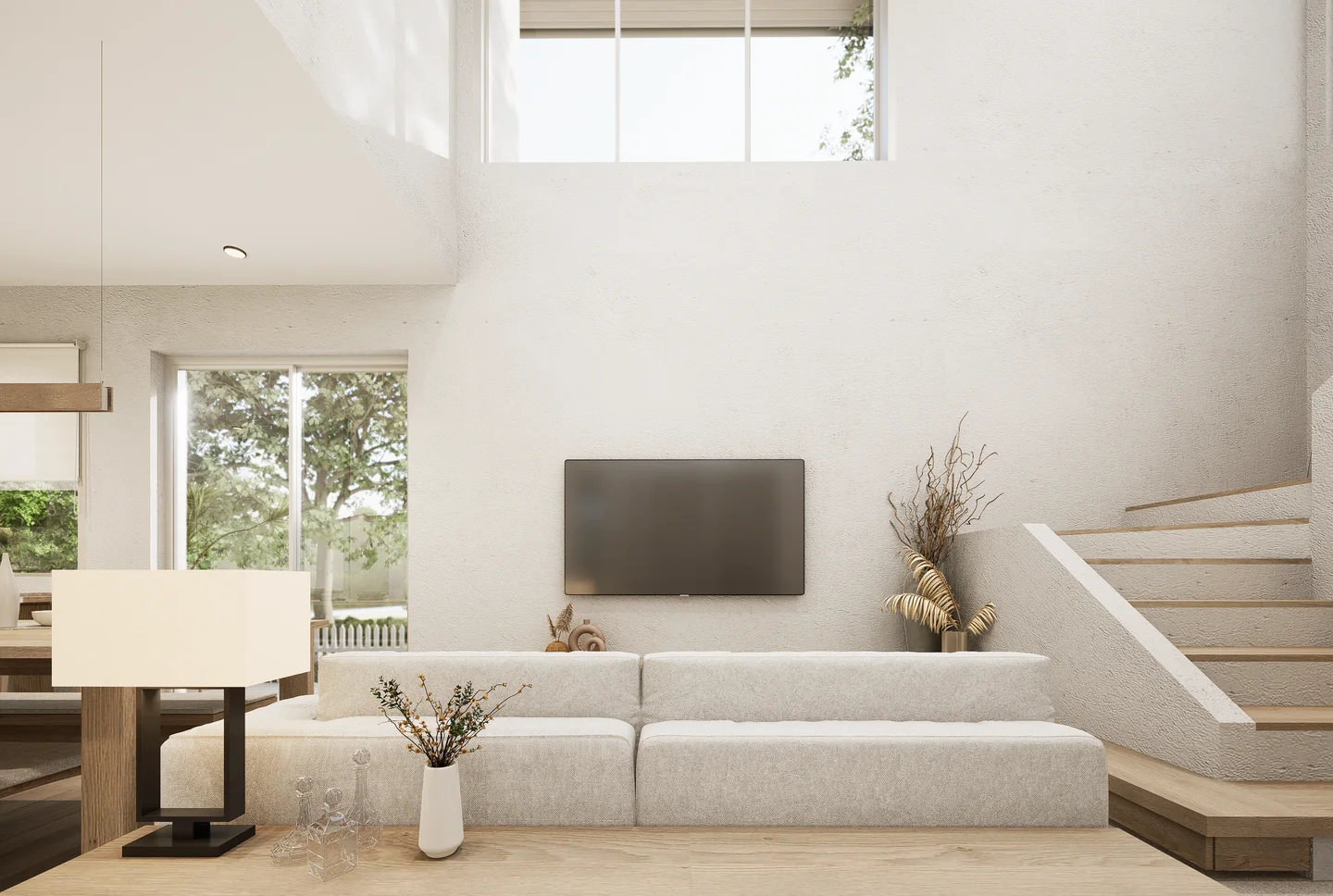
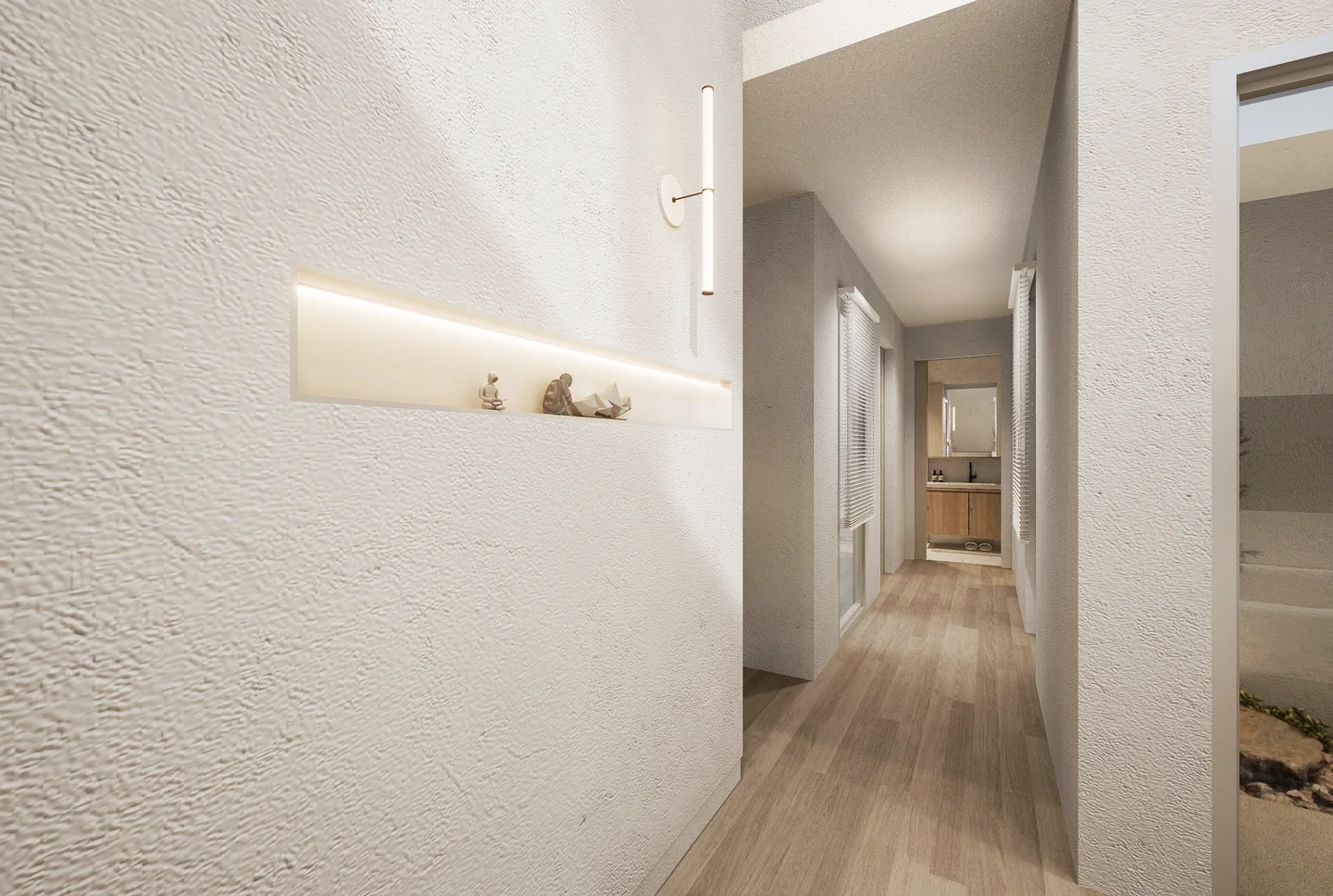
A more private multipurpose room is planned within the ground floor as well, intended to accommodate older family members. Its relationship with the shared room makes the long common area part of a wider arrangement. Not everyone needs to join it at every hour, but withdrawing should not mean being pushed beyond the reach of family life. Here the question of togetherness changes scale. It is no longer only about activities within one undivided space, but about the ease of moving between company and quiet. The household needs more than a social centre. It needs a series of places between which the different lives within it can move.
ชั้นล่างยังมีห้องอเนกประสงค์ที่เตรียมไว้ในส่วนส่วนตัวและสงบกว่า เพื่อรองรับสมาชิกสูงวัย ความสัมพันธ์ระหว่างห้องนั้นกับส่วนกลางทำให้พื้นที่แนวยาวเป็นส่วนหนึ่งของผังที่กว้างกว่า ไม่ใช่ทุกคนต้องออกมาอยู่ร่วมกันทุกชั่วโมง แต่การขอกลับไปพักก็ไม่ควรแปลว่าถูกผลักออกจากชีวิตครอบครัวจนไปถึงยาก ตรงนี้คำว่าอยู่ด้วยกันเปลี่ยนระดับ ไม่ได้เกี่ยวกับกิจกรรมภายในห้องเปิดโล่งเพียงห้องเดียว หากเกี่ยวกับความสะดวกในการเดินระหว่างวงสนทนากับความเงียบ บ้านต้องมีมากกว่าศูนย์กลางสังคม ต้องมีลำดับของพื้นที่ที่ชีวิตหลายจังหวะเคลื่อนไปมาได้
The route back into a shared room deserves a place in the furniture review. Someone entering should be able to join without first asking several people to move their chairs. Equally, a person leaving should not have to cross the most concentrated activity. These are modest adjustments, but they determine whether participation can change during an afternoon without repeatedly disrupting everyone else.
ทางกลับเข้าสู่ห้องร่วมควรอยู่ในการตรวจผังเฟอร์นิเจอร์ด้วย คนที่เข้ามาควรร่วมวงได้โดยไม่ต้องขอให้หลายคนเลื่อนเก้าอี้ก่อน และคนที่ออกไปก็ไม่ควรต้องตัดผ่านจุดที่กำลังใช้สมาธิมากที่สุด รายละเอียดเหล่านี้ดูเล็ก แต่กำหนดว่าคนจะเพิ่มหรือลดการมีส่วนร่วมระหว่างบ่ายหนึ่งได้โดยไม่รบกวนทุกคนซ้ำๆ หรือไม่
I hope the most convincing future use of this room will be one that nobody thinks to photograph. Someone keeps reading. A child finishes an assignment. The person cooking goes to sit for a while. Nobody is asked to perform a family scene for the room to justify itself. The design is doing useful work if they can remain near one another without becoming the same person for an afternoon. That is a less spectacular idea of togetherness, but it may be the one a home needs to sustain most often.
ผมหวังว่าภาพชีวิตในอนาคตที่อธิบายห้องนี้ได้ดีที่สุดอาจเป็นภาพที่ไม่มีใครคิดจะถ่าย ใครคนหนึ่งยังอ่านหนังสือต่อ เด็กทำการบ้านเสร็จ และคนทำอาหารออกมานั่งพัก ไม่มีใครถูกขอให้แสดงภาพครอบครัวเพื่อพิสูจน์ว่าห้องนี้มีคุณค่า แบบจะทำหน้าที่ได้ดีหากคนเหล่านั้นอยู่ใกล้กันโดยไม่จำเป็นต้องกลายเป็นคนคนเดียวกันตลอดบ่าย มันอาจเป็นความใกล้ชิดที่ไม่น่าตื่นตา แต่บางทีบ้านต้องรองรับความใกล้ชิดแบบนี้บ่อยที่สุด
PROJECT CREDIT
Design Direction NATTHA / Natthapon Khemmueang
Design Development & Project Delivery Piaoform Studio