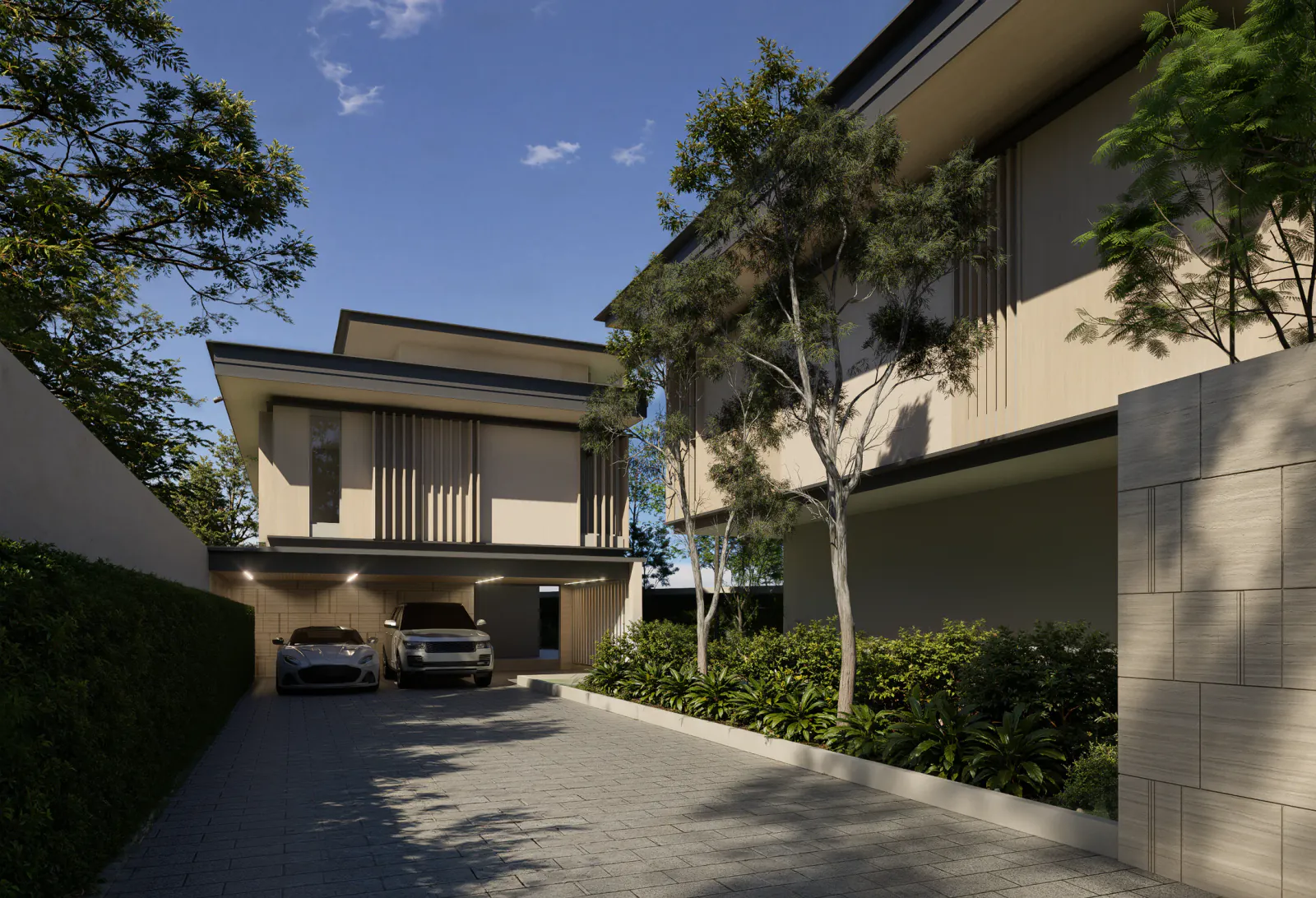
Shared space needs clear care, access and responsibility precisely because no one owns it alone.
The human question
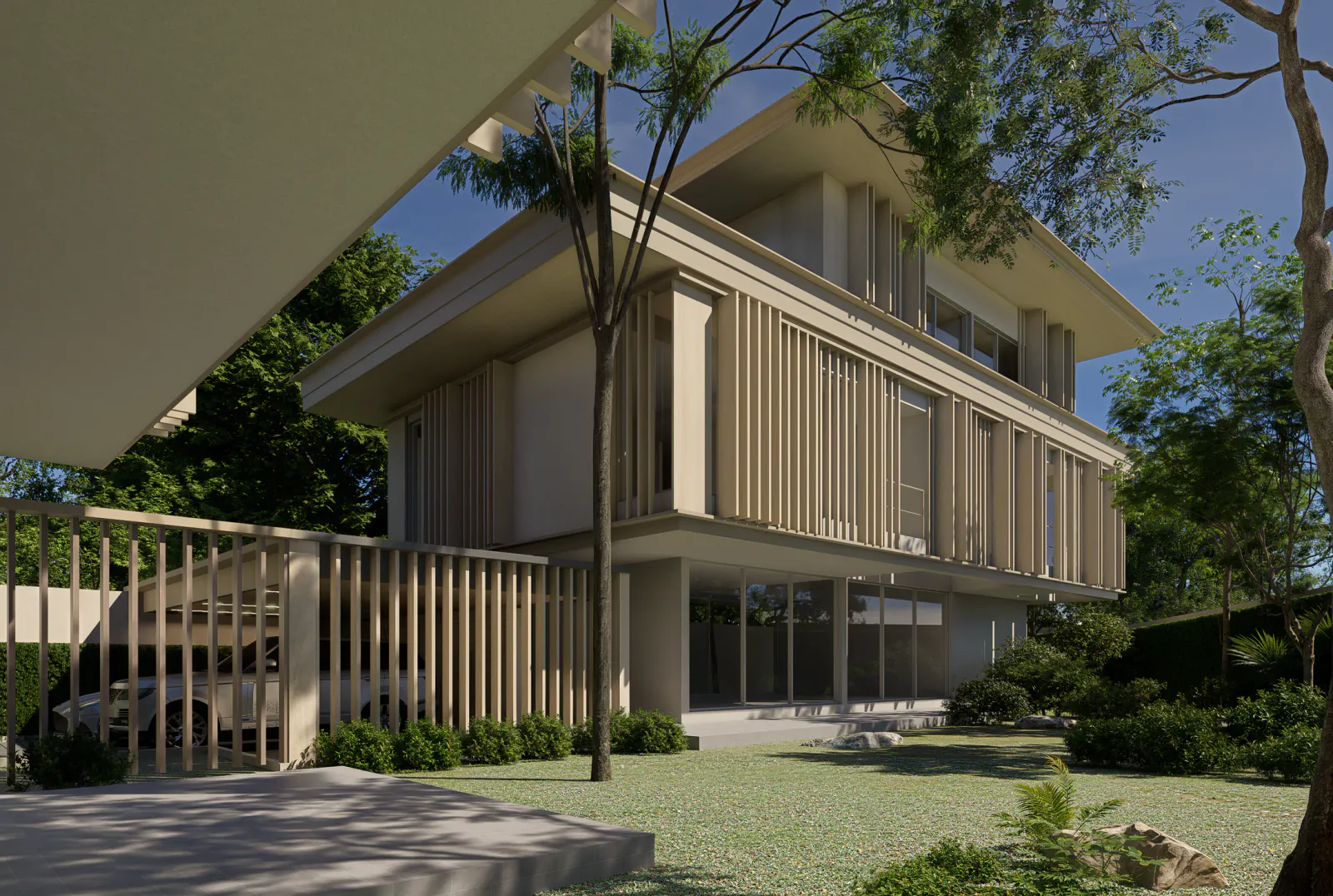
Design development render — not completed construction.
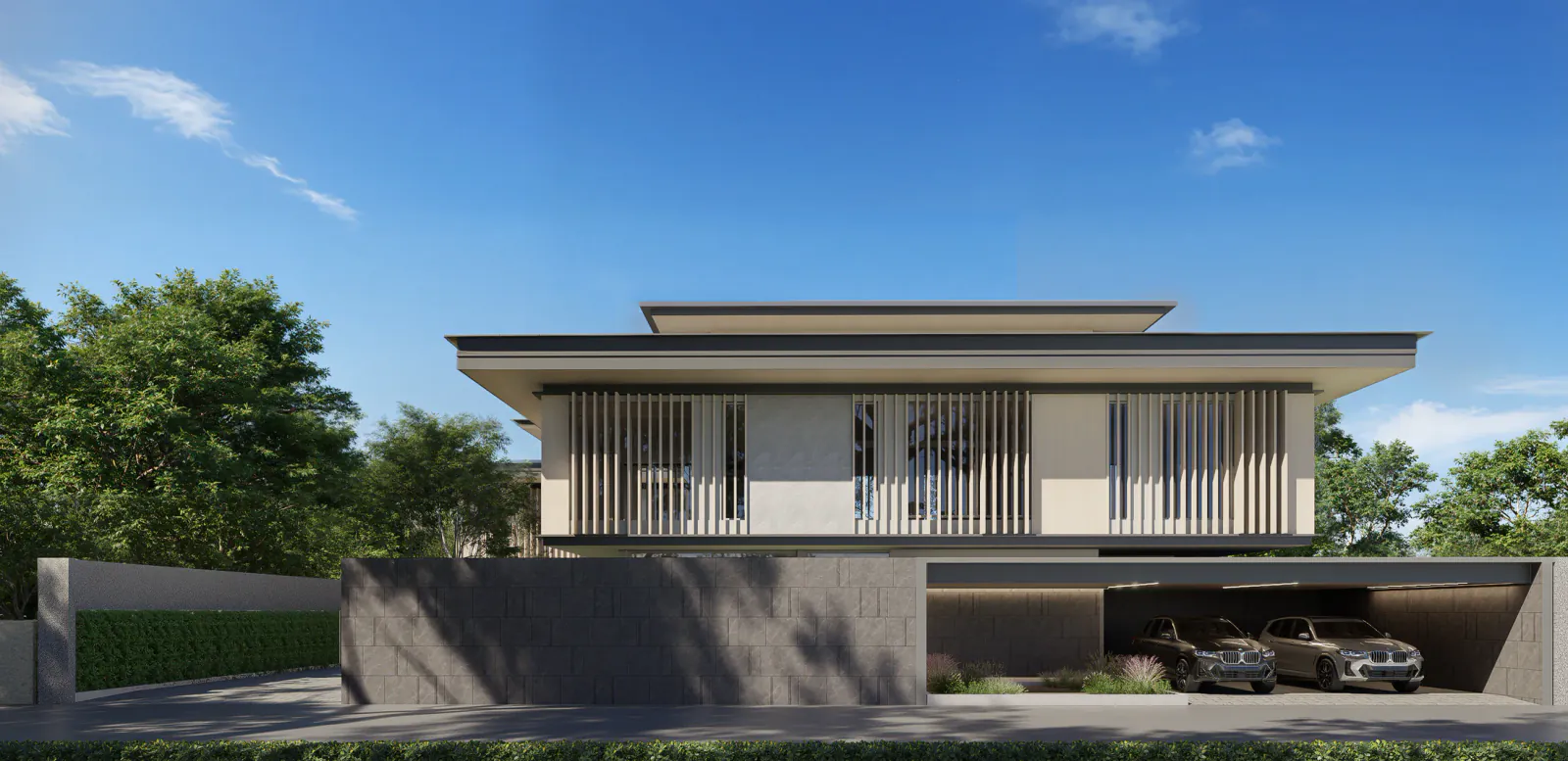
Design development render — not completed construction.
Shared space sounds generous, but it also raises ordinary questions: who uses it first, who maintains it and what happens when routines overlap. Ambiguity can turn common ground into nobody's responsibility.
What the design must carry
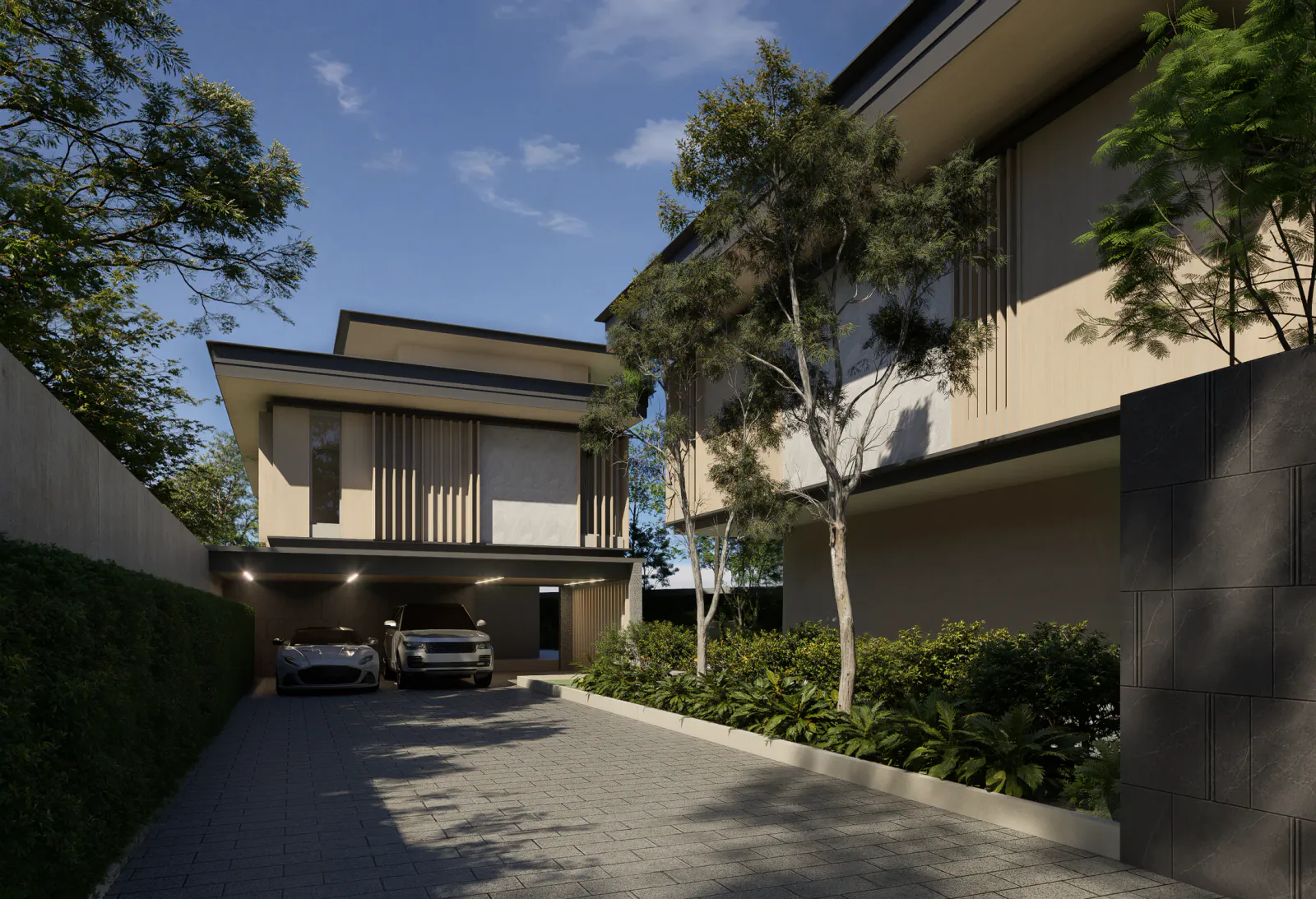
Design development render — not completed construction.
Access, seating, visibility and distance from each home should suggest how the place can be used without scripting every encounter. Spatial clarity can reduce the need to renegotiate the same boundary each day.
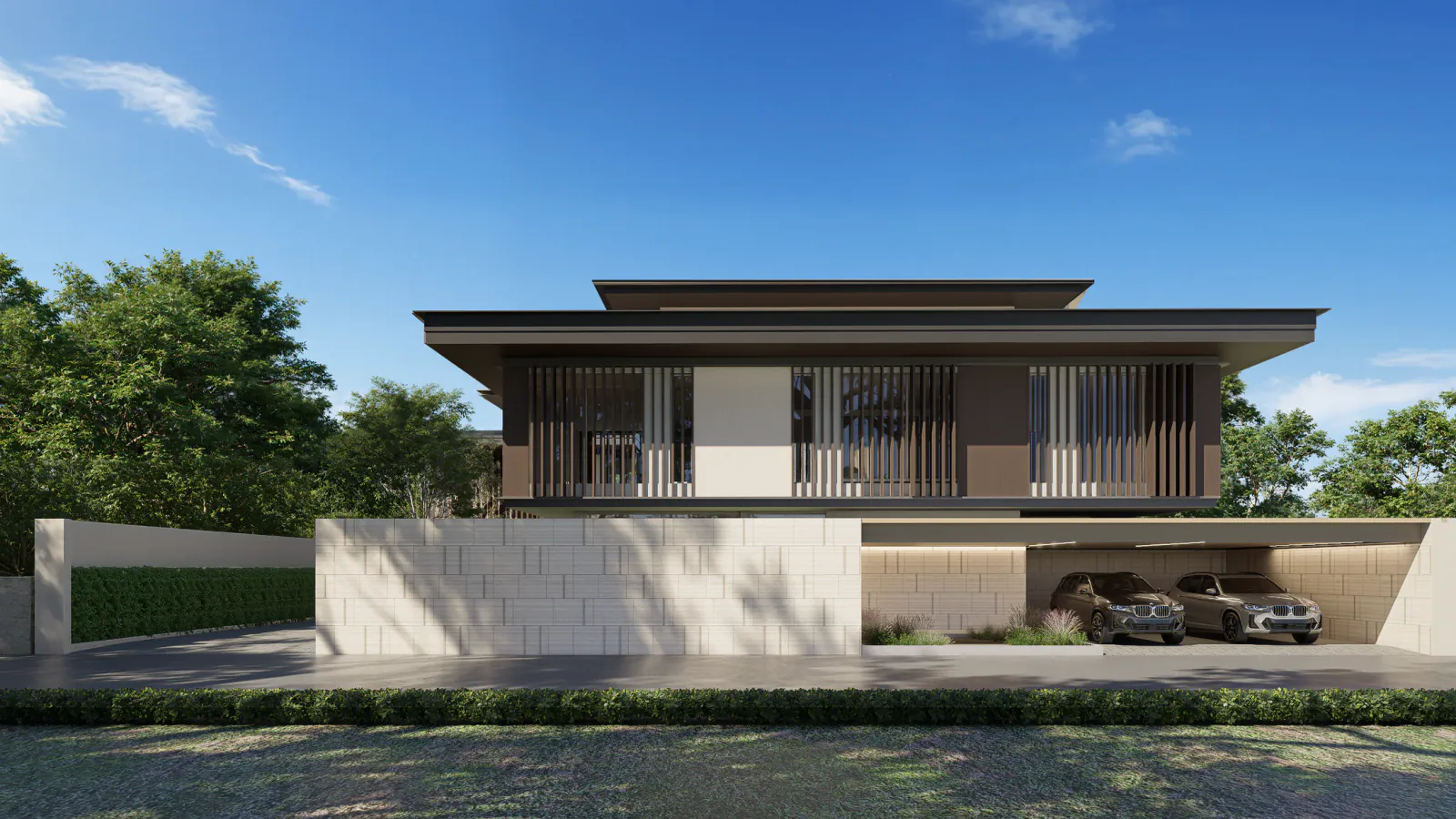
Design development render — not completed construction.
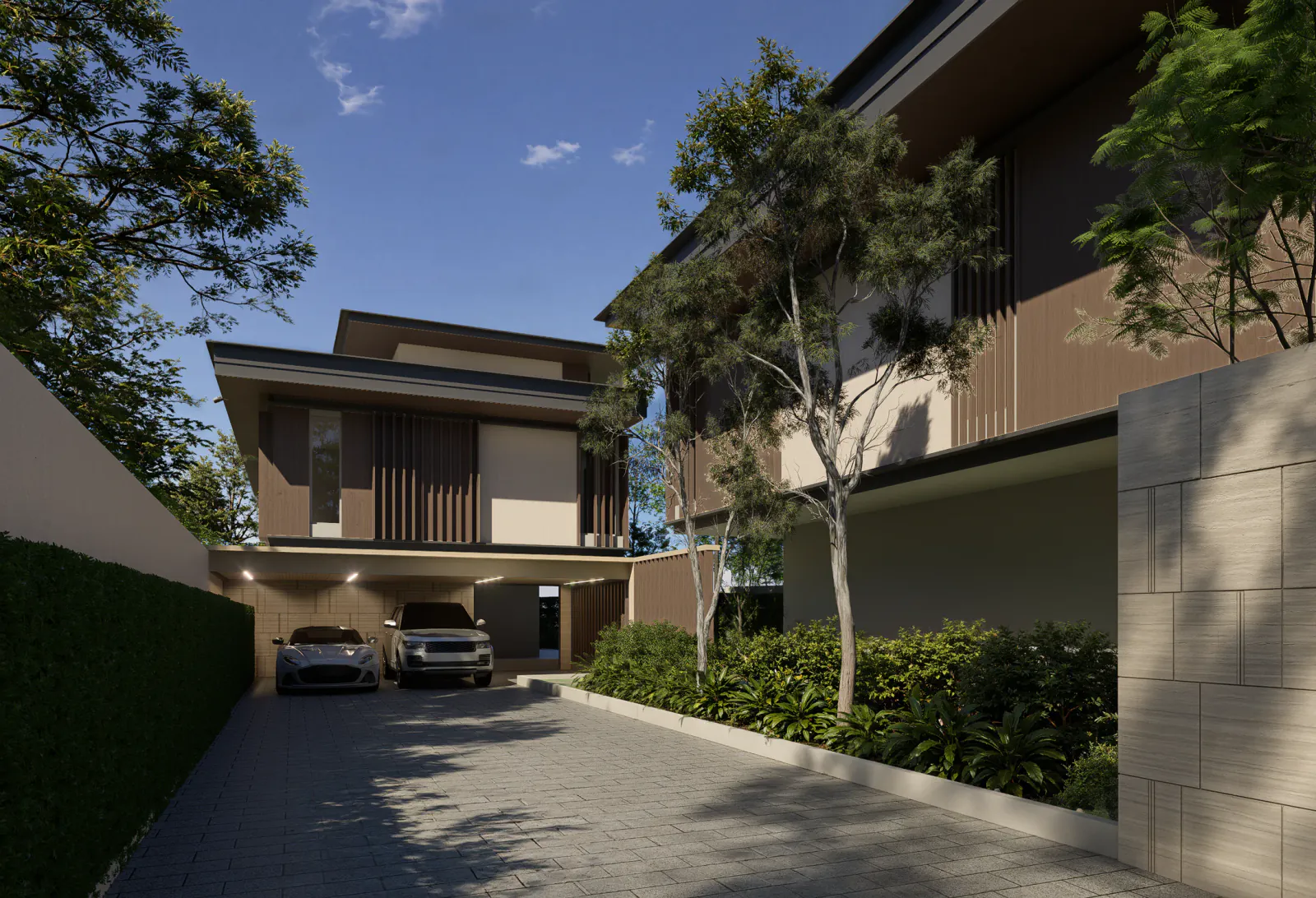
Design development render — not completed construction.
The design consequence is expressed through distance, shared and private routes, landscape filters, acoustic care and boundaries that can be crossed by choice.
A quieter conclusion
A place does not need one owner, but it does need a clear logic of shared care.